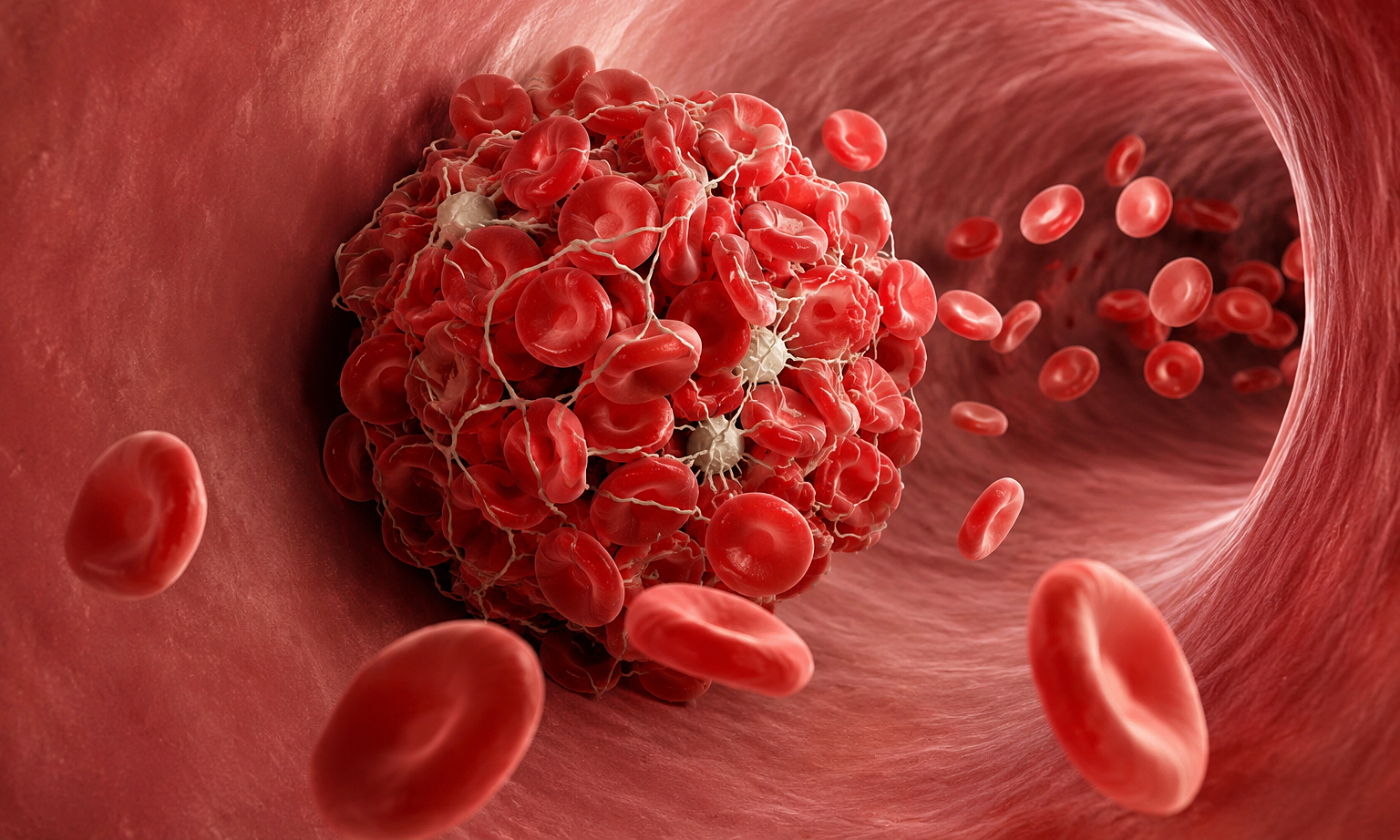
The risk of stroke does not depend on whether you exercise during the day or at night. It is linked to exercise intensity and underlying health conditions.
Late evening (after 9-10 p.m.) is when the body prepares for sleep. High-intensity exercise close to bedtime can keep the sympathetic nervous system highly active, preventing heart rate and blood pressure from returning to resting levels. This reduces sleep quality. Over time, insufficient sleep can contribute to increased blood pressure, raising the risk of stroke.
During running or strenuous activity, heart rate and blood pressure naturally increase; this is a normal physiological response. However, for individuals with high blood pressure, cardiovascular disease, or atherosclerosis, strenuous exercise can elevate the risk of cardiovascular events.
 |
A doctor advises a patient. Illustration: Tam Anh General Hospital |
You should maintain a moderate exercise level suitable for your physical condition, finishing your workout at least one to two hours before bedtime. During exercise, ensure adequate hydration, especially in hot weather. Listen to your body and monitor for unusual signs such as chest pain, dizziness, or shortness of breath before, during, or after exercise to adjust promptly.
In hot weather, evening running is a suitable option. There is no evidence that this exercise timing increases stroke risk when maintained at an appropriate intensity. To protect your health, regular exercise is essential. Individuals with high blood pressure, diabetes, or obesity should undergo assessment and consultation before starting an exercise regimen. Regular health check-ups are also crucial for screening cardiovascular and cerebrovascular diseases.
Modern imaging systems, such as the CT Somatom Force VB30 with over 100,000 slices and MRI 3.0 Tesla, can help doctors evaluate and identify early cerebrovascular and cardiovascular abnormalities. This contributes to preventing and reducing stroke risk.
Dr. Nguyen Thi Hai Yen
Department of Neurology and Stroke
Tam Anh Cau Giay General Clinic
| Readers can ask questions about neurological diseases here for a doctor's response |