Kidneys silently perform a huge amount of work daily, filtering waste and balancing fluids. However, when they begin to struggle, the signs can be overlooked. Therefore, early recognition of these signals can prevent major issues that severely impact health.
Foamy urine
Foam appearing and lingering in the toilet after urination often indicates protein leaking into the urine, a red flag warning that the kidneys are under stress.
A study titled "Foamy Urine: Is This a Sign of Kidney Disease?" indicates that only about one-third of individuals complaining about this phenomenon actually have proteinuria, but those cases are directly linked to early-stage chronic kidney disease (CKD). Another study examining 72 patients also found that 20% had clear proteinuria, along with higher creatinine and phosphate levels, which are key risk factors.
For individuals with diabetes, this sign is even more serious because high sugar levels damage the filters over time, causing protein to leak out. If foamy urine persists for several weeks, it should not be ignored. A simple urine test can detect albumin early, before damage spreads.
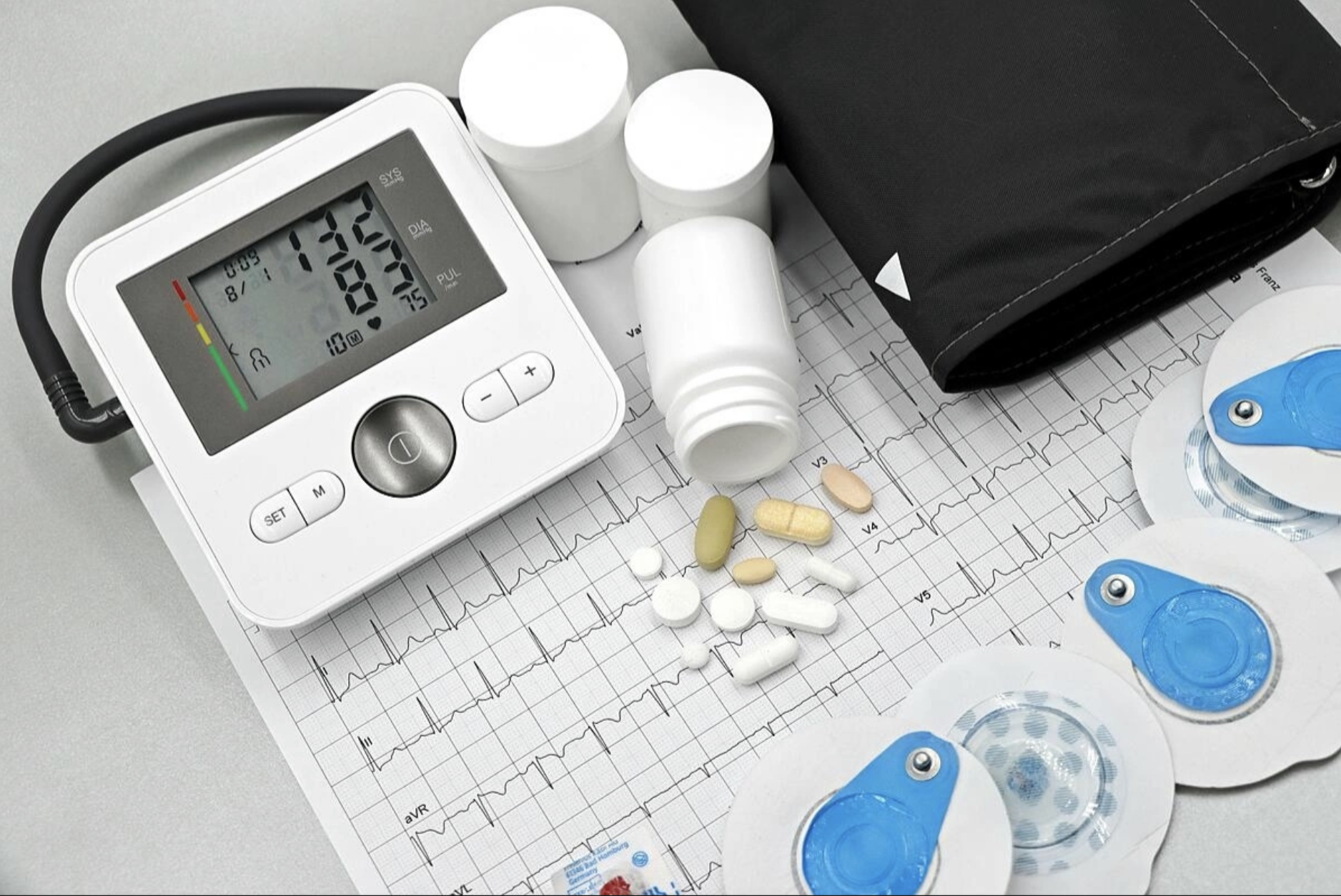 |
When uncontrolled hypertension persists over time, it leads to progressive damage to the kidney units. Photo: Pexels |
Swollen ankles (edema)
Swelling in the feet or ankles at the end of the day, leaving sock marks or making shoes feel tight, occurs when the kidneys fail to effectively excrete excess fluid and salt.
Healthy kidneys retain albumin in the blood to keep fluid in the correct place. However, when blood protein decreases and urine protein increases, swelling accumulates in lower areas due to gravity.
Research on the relationship between edema and body function in patients shows that lower leg swelling is common in people with CKD, correlating with an increased risk of falls and reduced daily mobility. In the US alone, more than 37 million people are living with CKD unknowingly, with swelling being one of the most frequently overlooked clues.
Diabetic individuals frequently experience this condition because sugar damages renal blood vessels, reducing albumin and causing fluid retention. If you press on the swollen area and the indentation remains without quickly rebounding, you should seek immediate medical attention.
Abnormally high blood pressure
A persistent increase in blood pressure without a clear cause can occur, placing excessive stress on the kidney's blood vessels and significantly impairing their filtering ability. When uncontrolled hypertension persists over time, it leads to progressive damage to the nephrons, transforming a slight rise in blood pressure into a potential catalyst for kidney failure.
The situation worsens considerably when accompanied by diabetes, as the combination of high blood sugar and high blood pressure accelerates the destruction of the kidney's filters.
A study on type 2 diabetes patients in India revealed that 32% suffered from CKD, linked to systolic blood pressure above 140, poor blood sugar control, and prolonged duration of diabetes. Being over age 60 also doubles the likelihood of developing the disease, indicating silent pressure accumulating damage unnoticed.
Monitor your blood pressure at home. If readings consistently stay above 130/80, your kidneys may be signaling distress.
Frequent nighttime urination
Waking up one or two times to urinate at night might be mistaken for a sign of aging, but frequent nocturia signals that the kidneys are retaining fluid incorrectly during the day and expelling it while the body rests.
In a study on nocturia as an unrecognized symptom of uncontrolled hypertension, researchers found that individuals treated for high blood pressure who still experienced nocturia were 2,47 times more likely to have poorly controlled blood pressure.
Diabetes exacerbates this condition when high sugar levels draw water into the urine, overloading the kidneys.
Close link to diabetes
Diabetes tops the list of causes of kidney damage worldwide, leading to diabetic kidney disease in most cases of end-stage kidney failure. The CITE study identified a CKD prevalence of 32% in type 2 diabetes patients, with HbA1c above 7%, smoking habits, and an unhealthy diet as contributing factors.
Interim data from the Start-India study indicates that over 40% of people with type 2 diabetes have CKD, although 80% of them maintain an estimated glomerular filtration rate (eGFR) above 60. High blood pressure and high blood sugar scar the filters, causing early foamy urine, swelling, fatigue, and nighttime urination.
If you experience persistent foamy urine, swollen ankles, spiking blood pressure, frequent nighttime urination, or lingering fatigue, visit a lab for a urine albumin-creatinine ratio test, eGFR, and a comprehensive blood test. These signs are whispering warnings before dialysis becomes necessary, so listen and act promptly.
Diabetic individuals need annual screening regardless of how they feel. Additionally, reduce salt intake, control blood sugar, walk daily, and quit smoking. Medications like angiotensin-converting enzyme inhibitors (ACE inhibitors) can protect kidneys if issues are detected early.
My Y (According to Times of India)