Answer:
Air pollution is one of the most common factors, alongside smoking, that triggers and advances chronic obstructive pulmonary disease (COPD). COPD is characterized by prolonged inflammation of the airway lining, caused by toxic air molecules, which progressively diminishes lung ventilatory function.
Pollution originates from diverse sources: vehicle exhaust, industrial emissions, construction dust, cooking smoke, and indoor wood burning. Ultrafine dust particles and toxic gases penetrate deep into lung tissue, causing chronic inflammation and impaired respiratory function. Frequent exposure leads to earlier symptom onset and more frequent acute exacerbations.
 |
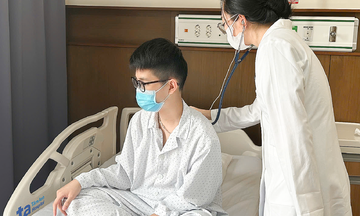
Doctor Thanh Do examines a patient. Illustration: Tam Anh General Hospital |
Individuals with COPD linked to air pollution often experience shortness of breath, particularly during physical activity, along with chest tightness and a persistent productive cough. Many also suffer recurrent respiratory infections, which intensify inflammation, leading to prolonged fatigue and reduced work capacity. In later stages, chronic oxygen deficiency causes fatigue and significantly diminishes quality of life.
Untreated chronic obstructive pulmonary disease can lead to severe complications. Patients in severe stages are susceptible to pneumothorax, resulting from overstretched and ruptured alveoli, a dangerous condition if not promptly managed. Persistent oxygen deficiency and elevated blood carbon dioxide levels increase cardiac strain, potentially causing right heart failure and reducing lifespan.
Proactive respiratory protection can substantially lower the risk of chronic obstructive pulmonary disease. Individuals should limit outdoor exposure when air quality is poor, wear masks, and use full protective equipment if working in polluted environments. Influenza and pneumococcal vaccines also mitigate the risk of respiratory infections. Maintaining a healthy lifestyle, engaging in appropriate exercise, and practicing breathing exercises enhance respiratory endurance. Regular respiratory health check-ups are crucial, especially for those living in polluted areas, to safeguard lung function.
If you have COPD, you should seek medical consultation and adhere to your doctor's treatment plan. Prompt medical attention is advised if you experience symptoms such as coughing, shortness of breath during exertion, or persistent chest tightness.
By Master, Doctor Dang Thanh Do
Department of Respiratory Medicine, Tam Anh General Hospital Hanoi
| Readers can send questions about respiratory diseases here for doctors to answer |