Many people believe that healthcare is only necessary when illness strikes, or that achieving good health requires major changes. However, reality shows that the foundation of a resilient body is built upon very small, daily repeated actions.
The World Health Organization (WHO) defines health as a state of complete physical, mental, and social well-being, not merely the absence of disease. This highlights health's close connection to lifestyle and daily habits. Therefore, healthcare should be viewed as an ongoing, uninterrupted journey, starting with the simplest daily actions.
 |
Eating regular meals, increasing green vegetables, and fruits are keys to good health. *Bui Thuy* |
The Ho Chi Minh City Center for Disease Control (HCDC) recommends that daily lifestyle habits play a decisive role in protecting the body. Numerous studies show that a reasonable diet, regular exercise, sufficient sleep, not smoking, and limiting alcohol consumption can significantly reduce the risk of non-communicable diseases. Health benefits do not come from short-term efforts but accumulate through small actions consistently maintained each day, thereby forming a strong shield against disease-causing agents.
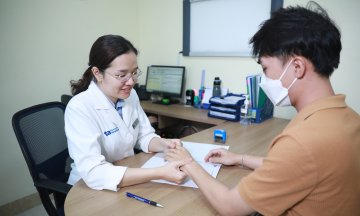
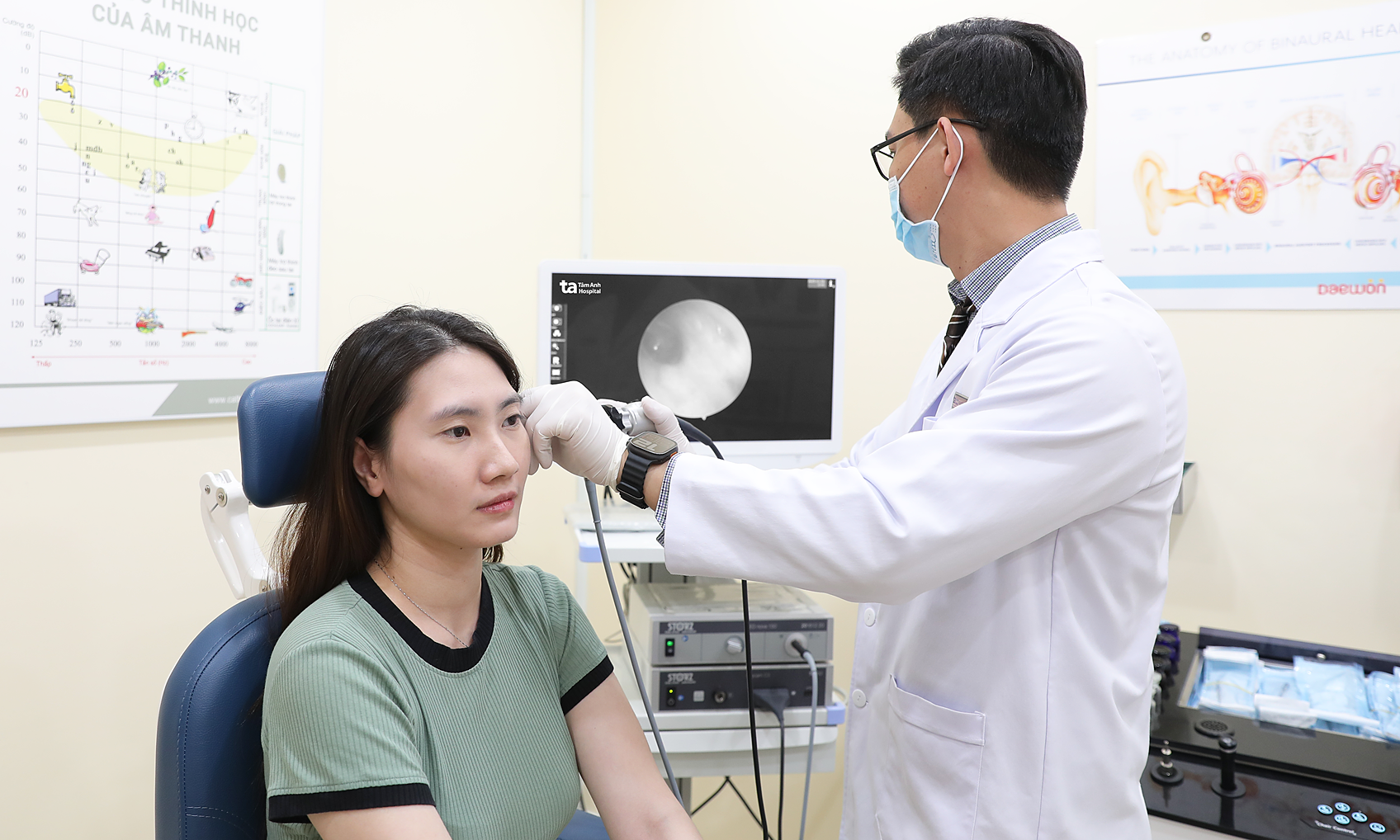
In addition to healthy living, proactive disease prevention helps us identify risks early, thereby preventing the progression of illness from its incipient stage. Early detection not only increases successful treatment rates but also reduces the financial burden on patients and society.
To build a lifelong health journey, one can start today by implementing the following 7 practical habits:
Eat regular meals, increase green vegetables, and fruits.
Drink enough water, about 1,5-2 liters daily.
Maintain physical activity for at least 30 minutes daily.
Get enough sleep, ensuring adequate rest.
Do not smoke, avoid secondhand smoke, and limit alcohol.
Maintain a relaxed mind, reduce stress.
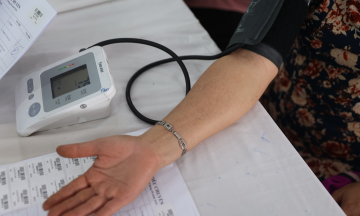
Monitor body indicators and undergo regular health check-ups.
Le Phuong