From brushing too vigorously to using teeth as tools, these small errors can lead to significant consequences later on. Dental experts share insights into actions you may unknowingly be taking that harm your oral health, along with solutions for a healthier smile.
Chewing hard objects
Chewing pen caps, biting nails, or crunching ice may seem harmless, but over time, these habits can severely damage teeth. Dr. Nicole Khalife, a general dentist at Lux Smiles NYC, states that these habits erode enamel and create tiny cracks, which worsen over time. This can lead to the need for dental crowns or even root canal treatment.
If you tend to chew when stressed, Dr. Khalife recommends keeping something soft nearby, such as sugar-free gum, to redirect the urge to chew. "With children and teenagers, I have found success in suggesting fidget tools to help break the nail-biting cycle," she says.
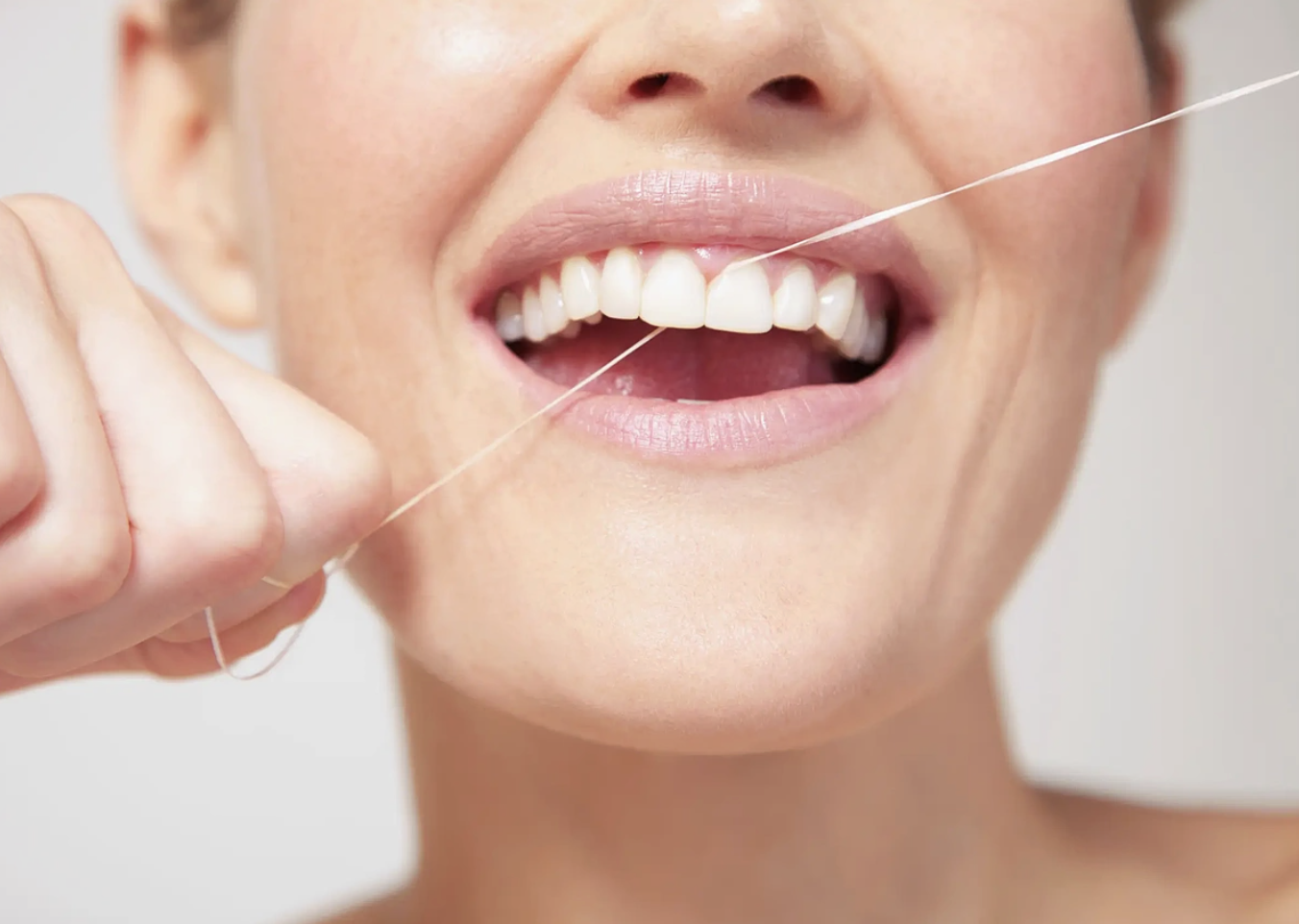 |
Ignoring dental floss means allowing plaque to build up between teeth and under the gums. Adobe Stock
Using teeth as tools
Using your teeth to open packaging or twist off bottle caps can be counterproductive because teeth are not designed to withstand the force or angles required by tools. This can lead to chips, cracks, or broken teeth, especially in the front teeth.
Dr. Jie Sun, a prosthodontist at ClearChoice, warns that slipping when using teeth as tools can cause tears or irritation to the gums. Additionally, these items often harbor bacteria, increasing the risk of infection. Once structural damage such as deep cracks or enamel loss occurs, it is often irreversible and requires costly interventions like veneers.
"The bottom line: teeth are for eating, not for tools," Dr. Sun emphasizes.
Mouth breathing
Mouth breathing reduces saliva production – which neutralizes acid – making the oral cavity prone to enamel erosion, tooth decay, and gingivitis. In children, this habit also affects facial muscle development and causes orthodontic problems.
Unlike nasal breathing, which filters and warms air, mouth breathing introduces air directly containing dust and allergens into the body, increasing the risk of respiratory inflammation. Treatment requires identifying the root cause, such as allergies or nasal obstruction, to restore proper breathing.
Overusing whitening products
While at-home whitening products are convenient, Dr. Khalife advises using them under professional supervision. Excessive whitening, especially with over-the-counter gels or strips, can lead to thin enamel, sensitivity, and gum irritation.
If your teeth suddenly become sensitive to hot or cold drinks, or your gums feel sore after whitening, these are red flags indicating you should stop immediately.
Frequent snacking
Every snack, especially sweet or starchy foods, provides fuel for bacteria to produce acids that attack tooth enamel. Continuous snacking without proper hygiene leads to tooth decay, gingivitis, and enamel erosion.
Dr. Khalife recommends limiting snacking to specific times of day and prioritizing tooth-friendly foods such as cheese, nuts, or fresh vegetables.
Teeth grinding
Many people do not realize they grind their teeth during sleep. This habit flattens chewing surfaces, causing cracks, tooth wear, and leading to temporomandibular joint (TMJ) pain.
"Enamel cannot regenerate; once teeth are worn down, they cannot heal themselves," says Dr. Sandip Sachar, owner of Sachar Dental. In addition to stress management, she advises patients to use custom-fitted night guards to protect their teeth.
Brushing too hard
Brushing vigorously does not mean cleaner teeth. Excessive pressure wears down the enamel layer, exposing the sensitive dentin underneath, leading to a faster risk of tooth decay.
Expert advice is to use a soft-bristled toothbrush and move it in circular motions instead of a sawing motion. Plaque is soft, so "let the toothbrush bristles do their job" instead of over-scrubbing.
Brushing immediately after breakfast
This may sound clean but is a mistake. After eating, the pH in the mouth decreases, and acids soften tooth enamel. Dr. Sun explains that brushing immediately promotes enamel erosion due to mechanical friction.
To protect your teeth, you should brush before breakfast or wait at least 30 minutes after eating for saliva to neutralize acids and remineralize tooth enamel.
Neglecting dental floss
Ignoring dental floss means allowing plaque to accumulate between teeth and under the gums – areas a toothbrush cannot reach. This causes gingivitis and can lead to receding gums.
If you dislike traditional dental floss, you can use a water flosser or floss picks. While not as effective as string floss, they are still better than doing nothing.
Flossing once and brushing twice daily with fluoride toothpaste is the strongest foundation for lasting oral health.
My Y (According to Real Simple)