This proposal was included by the Ministry of Health in the draft decree detailing and guiding the implementation of certain articles of the Law on Disease Prevention, which was opened for public comment on 19/3. This marks the first time the draft has addressed a compensation policy for post-vaccination adverse events that severely affect health or life.
Accordingly, the draft identifies two groups for mandatory vaccination. The first group belongs to the Expanded Immunization Program, including children, pregnant women, and individuals at risk of infectious diseases listed in the program's vaccine and biological product catalog.
The second group comprises individuals requiring vaccination in epidemic prevention and control scenarios, including: individuals at risk of disease in epidemic areas; healthcare workers directly examining and treating patients with infectious diseases; those participating in surveillance, investigation, and outbreak management; and laboratory personnel exposed to pathogenic agents. Additionally, the Prime Minister may decide to add other target groups based on the Ministry of Health's proposal.
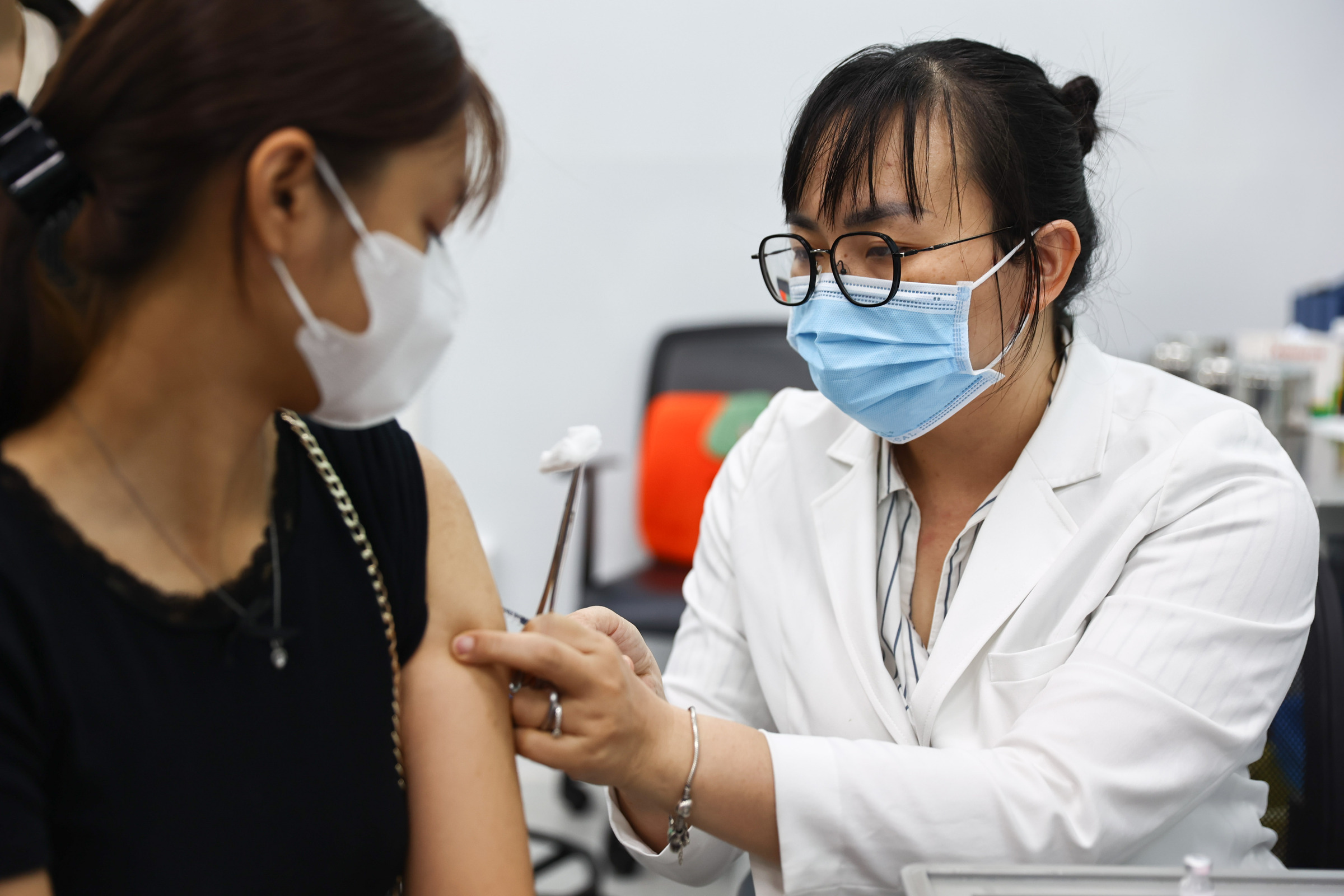 |
Vaccination at Pasteur Institute TP HCM. Photo: Quynh Tran |
Individuals subject to mandatory vaccination who experience severe adverse events resulting in disability or death will be compensated by the State. The compensation for cases leading to disability is 30 times the basic salary, along with medical examination and treatment costs and lost or reduced income.
In cases of death, support will be provided for treatment costs prior to death, funeral expenses equal to 10 times the basic salary, an emotional distress compensation of 100 million dong for relatives, and costs related to lost income.
The draft also specifies the process for determining post-vaccination adverse events. Accordingly, within 5 working days of receiving a report on a severe adverse event investigation, the provincial-level specialized medical agency must prepare documentation and organize a meeting of the professional advisory council to assess the cause. The council's conclusion will serve as the basis for determining whether the case is eligible for State compensation.
Furthermore, the draft also regulates post-operation inspections of qualified vaccination facilities to ensure vaccination safety. Accordingly, the Ministry of Health proposes that within 90 days from the date of announcing a facility's eligibility for vaccination as regulated, the specialized medical agency under the provincial People's Committee will inspect the vaccination facility that has self-declared its eligibility within its managed area. The specialized medical agency under the provincial People's Committee will inspect vaccination facilities that have self-declared their eligibility within its managed area at least once every two years.
Le Nga