On 5/5, a representative from Huong Hoa Regional General Hospital announced that nine patients were admitted sequentially from 1/4 to 3/5. The youngest patient was 17 years old, while the oldest was 86, residing in the mountainous communes of Huong Phung, Lia, Tan Lap, and Khe Sanh (formerly Huong Hoa district).
Patients reported consuming cicadas fried in oil and fat, subsequently developing abdominal pain, fever, diarrhea, vomiting, and skin rashes. Severe cases also experienced difficulty breathing. They received intravenous fluids, oresol, antibiotics, anti-anaphylaxis medication, and digestive enzymes. Following treatment, all patients stabilized and were discharged.
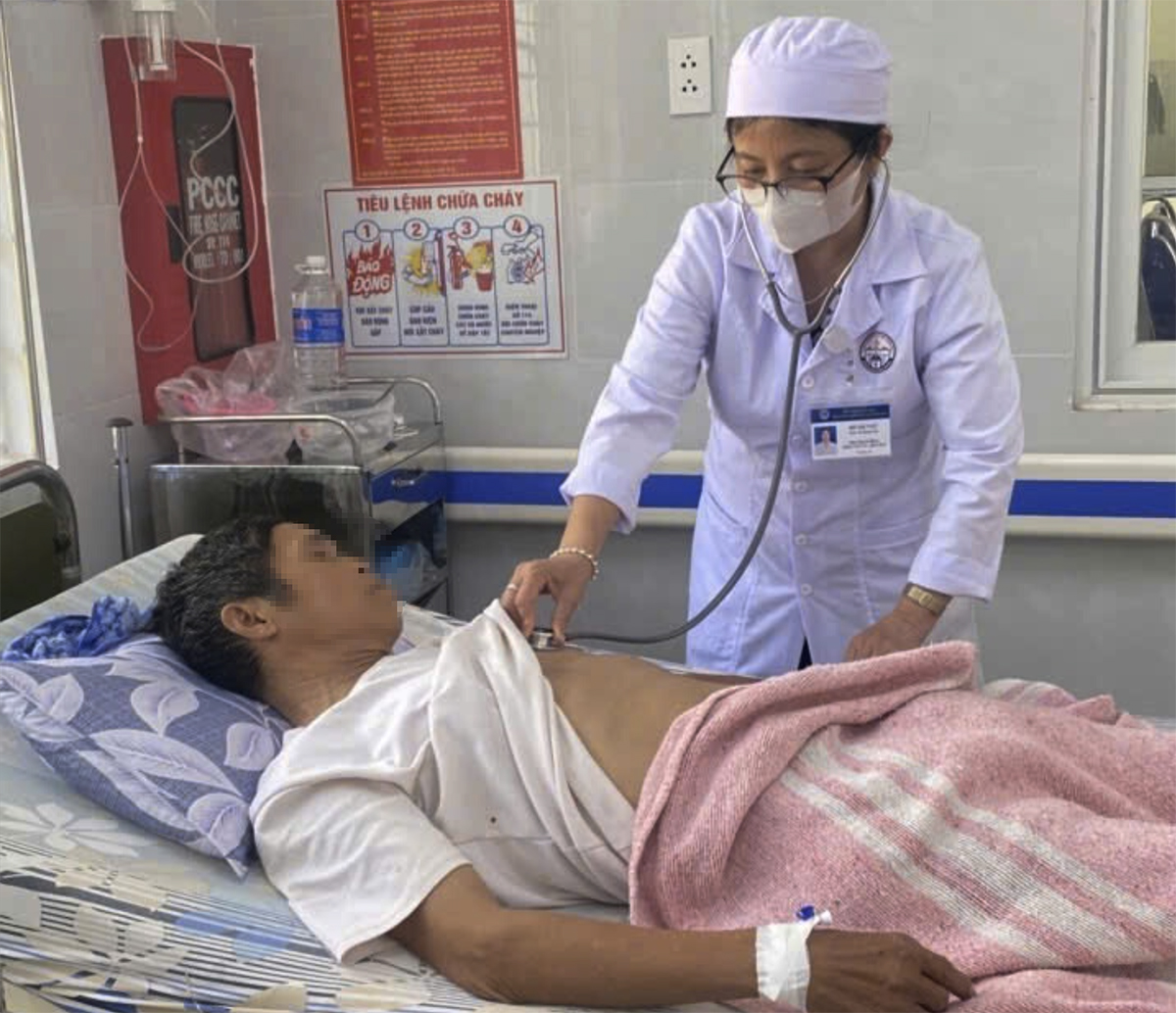 |
A patient receiving treatment for cicada poisoning at Huong Hoa Regional General Hospital. *Photo: Minh Anh* |
Nguyen Viet Duc, director of Huong Hoa Regional General Hospital, stated that local health authorities consistently warn and advise people against eating cicadas. In the area, cicadas appear in abundance at the beginning of summer. Residents often catch them for food, leading to numerous poisoning incidents.
"Each year, the hospital admits over 10 patients with poisoning from eating cicadas, primarily during the summer," Mr. Duc noted.
Cicadas do not contain inherent toxins. However, they live in soil for extended periods, making them susceptible to contamination by bacteria or parasitic fungi. Consequently, cicadas pose a significant risk for allergic reactions when consumed.
Some individuals who eat cicadas may develop hives and itching. In severe cases, symptoms can escalate to difficulty breathing, vomiting, convulsions, and coma, potentially resulting in death if not treated promptly.
To prevent poisoning, people should avoid eating cicadas. Individuals with an allergic predisposition who experience unusual symptoms after consuming cicadas or other insects, such as fatigue, dizziness, nausea, itching, abdominal pain, or digestive disorders, should seek immediate medical attention.
Dac Thanh