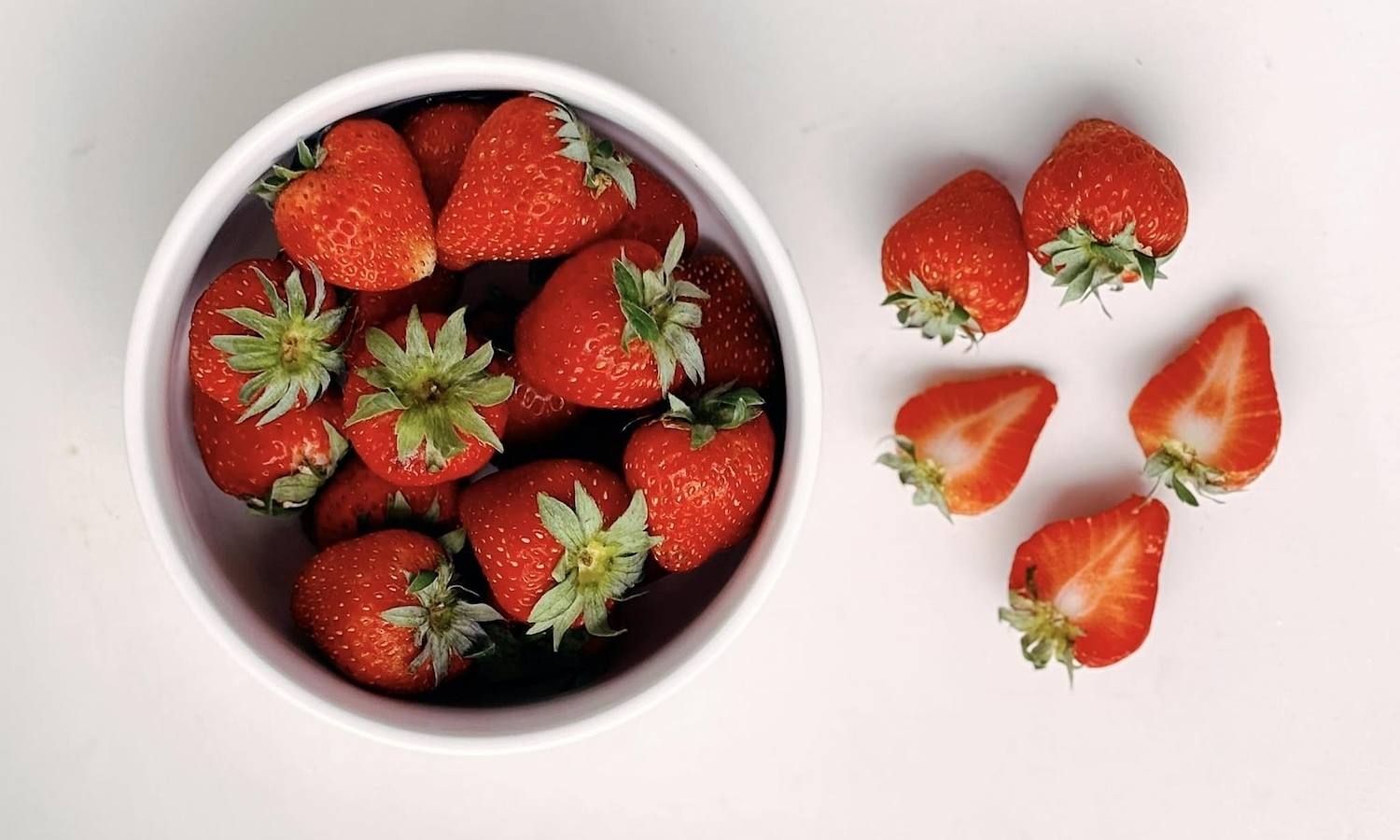
The body needs healthy fats from food to absorb fat-soluble vitamins, provide energy, regulate hormones, control body temperature, and support heart health. Fats are broadly categorized into: monounsaturated fats, polyunsaturated fats, saturated fats, and trans fats. Monounsaturated fats are beneficial for cardiovascular health and help reduce bad cholesterol. Polyunsaturated fats, especially omega-3s, also support heart health when consumed appropriately. Saturated and trans fats, however, can be harmful if consumed excessively.
To enhance heart health, here are effective ways to incorporate healthy fats into your diet.
Combine healthy fats with protein and fiber to provide balanced nutrition. This approach helps increase satiety, delivers stable energy, and reduces the risk of sudden blood sugar spikes. For instance, consider eating an omelet with whole-wheat bread or pairing lean proteins such as fish and poultry with green vegetables.
Integrating healthy fats into your daily meals is key. Keep nuts or boiled eggs readily available for quick snacks. Create salad dressings using a blend of olive oil and lemon or vinegar. Additionally, add avocado to salads, sandwiches, or other dishes.
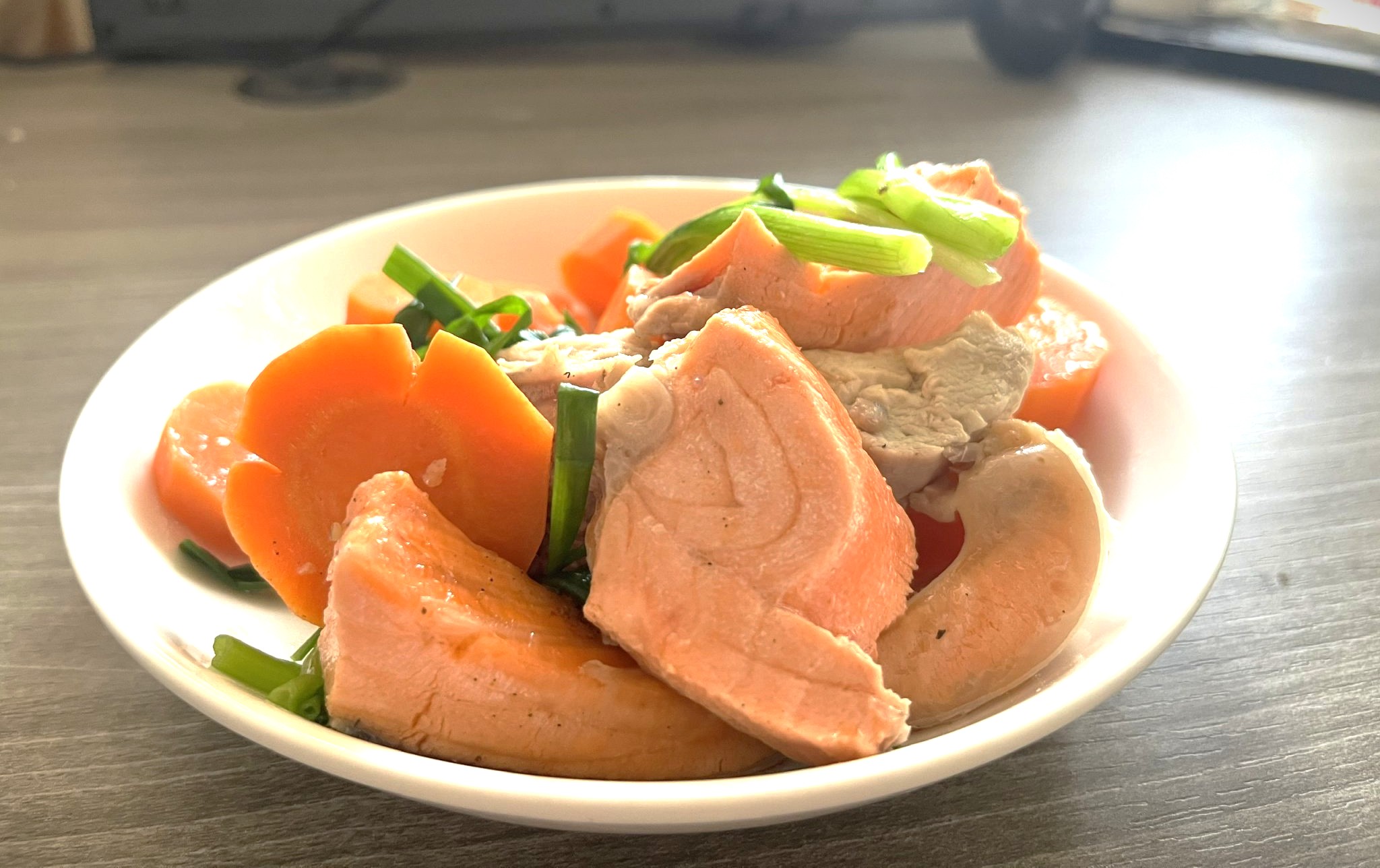 |
Prioritize fish and lean poultry in your diet instead of fatty meats. Aim to consume fish and poultry about two times each week as an alternative to red meat. Fatty fish, in particular, are rich in omega-3s (DHA, EPA), high-quality protein, and vitamin D. These nutrients are vital for boosting brain function, protecting the heart, reducing inflammation, supporting the reduction of visceral fat, and supplying essential nutrients that the body cannot synthesize on its own.
Even when consuming healthy fats, it is important to control portion sizes, as some healthy foods can be calorie-dense. Develop a habit of carefully reading nutrition labels when selecting food products.
Avoid deep-frying, as fried foods, while appealing, increase the intake of unhealthy fats. Instead, opt for cooking methods like grilling, roasting, pan-frying, or stir-frying to minimize the oil content in your meals.
Le Nguyen (According to Very Well Health)
| Readers can send heart-related questions here for doctors to answer. |