


Knee replacement is a common orthopedic surgery, especially for patients with end-stage knee osteoarthritis. Doctor Le Nhat Thanh, from the Orthopedic Trauma Department at Tam Anh General Clinic District 7, states that one of the most serious and challenging complications is the loosening of the artificial knee joint. This accounts for approximately 20-30% of cases requiring revision surgery after initial knee replacement. This outcome results from many complex factors, ranging from surgical technique and implant material characteristics to the patient's health status and lifestyle.
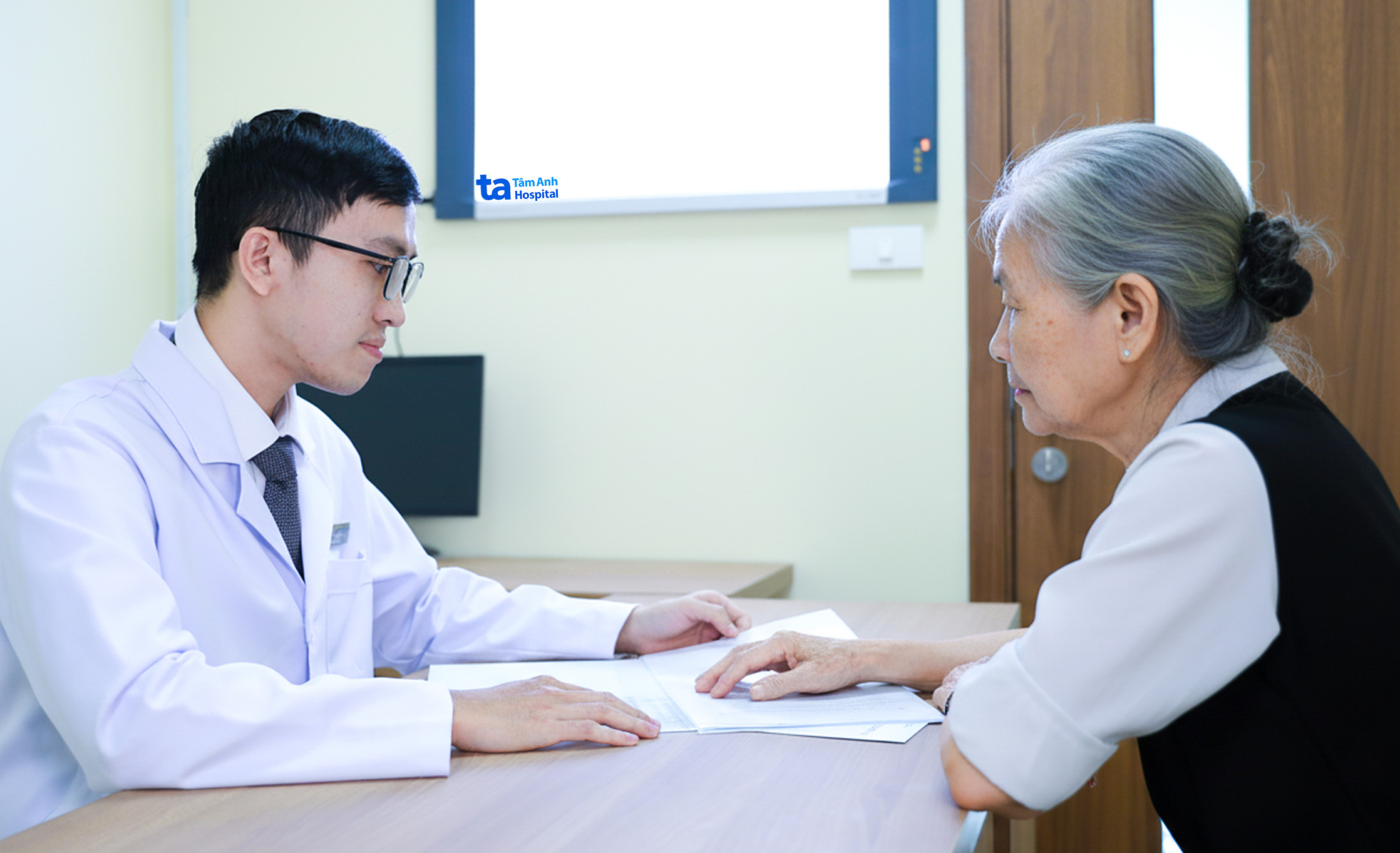 |
Doctor Thanh explains examination results to a patient. *Photo: Tam Anh General Clinic District 7* |
The doctor identifies several potential causes of knee joint loosening after surgery:
Natural wear: Artificial knee joints typically have a lifespan of 20-30 years. Patients under 60 with high levels of physical activity (jogging, heavy lifting, high-intensity sports) place greater stress on the joint. This leads to faster wear and an increased risk of early loosening.
Obesity is also an independent factor that increases the force on the knee joint by 3-5 times body weight during movement. This is the most common type of joint loosening, unrelated to infection.
Osteoporosis, advanced age, and a history of prolonged corticosteroid use increase the risk of periprosthetic fractures after knee replacement. These fractures are most common in the femoral condyle region and can directly cause loosening or displacement of artificial joint components. Therefore, elderly patients should undergo screening and treatment for osteoporosis (if present) after joint replacement.
Suboptimal surgical technique significantly impacts the durability of the artificial joint. Incorrect limb alignment, improper ligament balancing, or unsuitable joint size selection can lead to uneven force distribution on the joint surface. This accelerates wear and early loosening.
Infection of the artificial joint is the most serious cause of loosening. According to Doctor Thanh, this rate ranges from 1-2%. Bacteria adhere to the implant surface and form a biofilm, causing chronic inflammation, bone resorption, and leading to joint loosening. This process can occur early within the first 3 months, late (from 3 months to two years), or very late due to bacteria from distant infection sites (teeth, urinary tract, etc.) traveling through the bloodstream to the joint.
Risk factors include poorly controlled diabetes, obesity, immunosuppression, rheumatoid arthritis treated with biological drugs, or a history of multiple surgical interventions in the knee area.
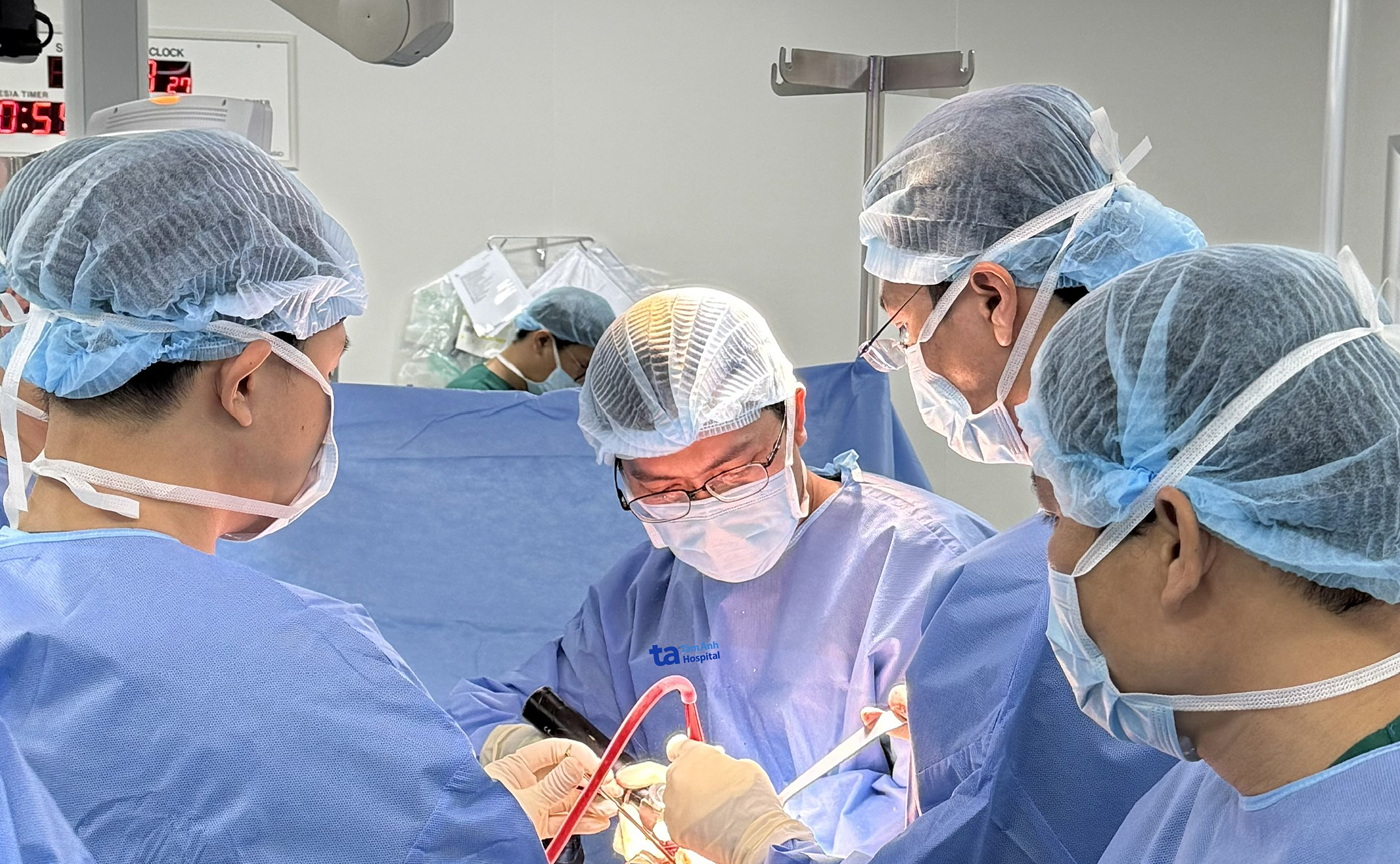 |
Doctor Thanh (center) performs knee replacement surgery for a patient. *Photo: Tam Anh General Hospital* |
Doctor Thanh advises patients after knee replacement to attend regular follow-up appointments, adhere to rehabilitation exercise guidelines, and effectively manage their weight and underlying medical conditions. Early recognition and immediate reporting to a doctor are crucial if unusual symptoms appear, such as recurrent knee pain, a feeling of knee instability, persistent swelling, or limb axis deformity, to allow for timely intervention.
Phi Hong
| Readers can submit questions about musculoskeletal conditions here for a doctor's response. |


