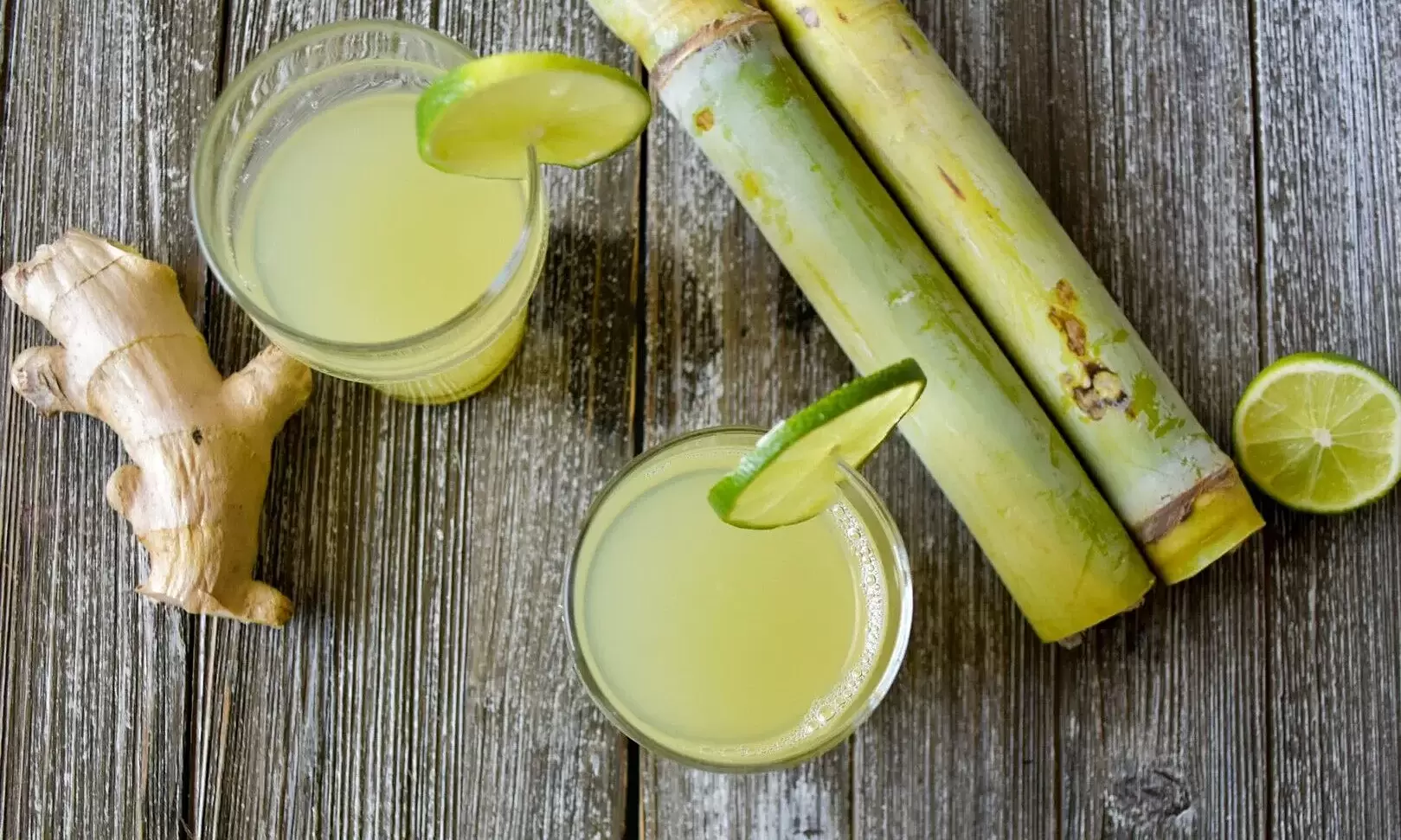
Initially, Duy experienced only a stuffy nose and mild tinnitus, leading to a diagnosis of nasopharyngeal cancer after an endoscopy and biopsy. Instead of returning to the hospital for treatment consultation, he gambled his life on advertisements for a self-proclaimed "healing doctor" online. Following an extreme macrobiotic diet as instructed, he also consumed bitter papaya leaf water daily, believing it would eliminate his illness.
After about nine months, Duy developed severe headaches, significant vision loss, and double vision. A rapidly growing lymph node in his left neck compressed his airway, causing extreme exhaustion. Unable to endure the symptoms any longer, he sought medical attention at Ho Chi Minh City Oncology Hospital. There, he received a devastating diagnosis: late-stage cancer with malignant cells that had metastasized widely, ravaging his liver and bones.
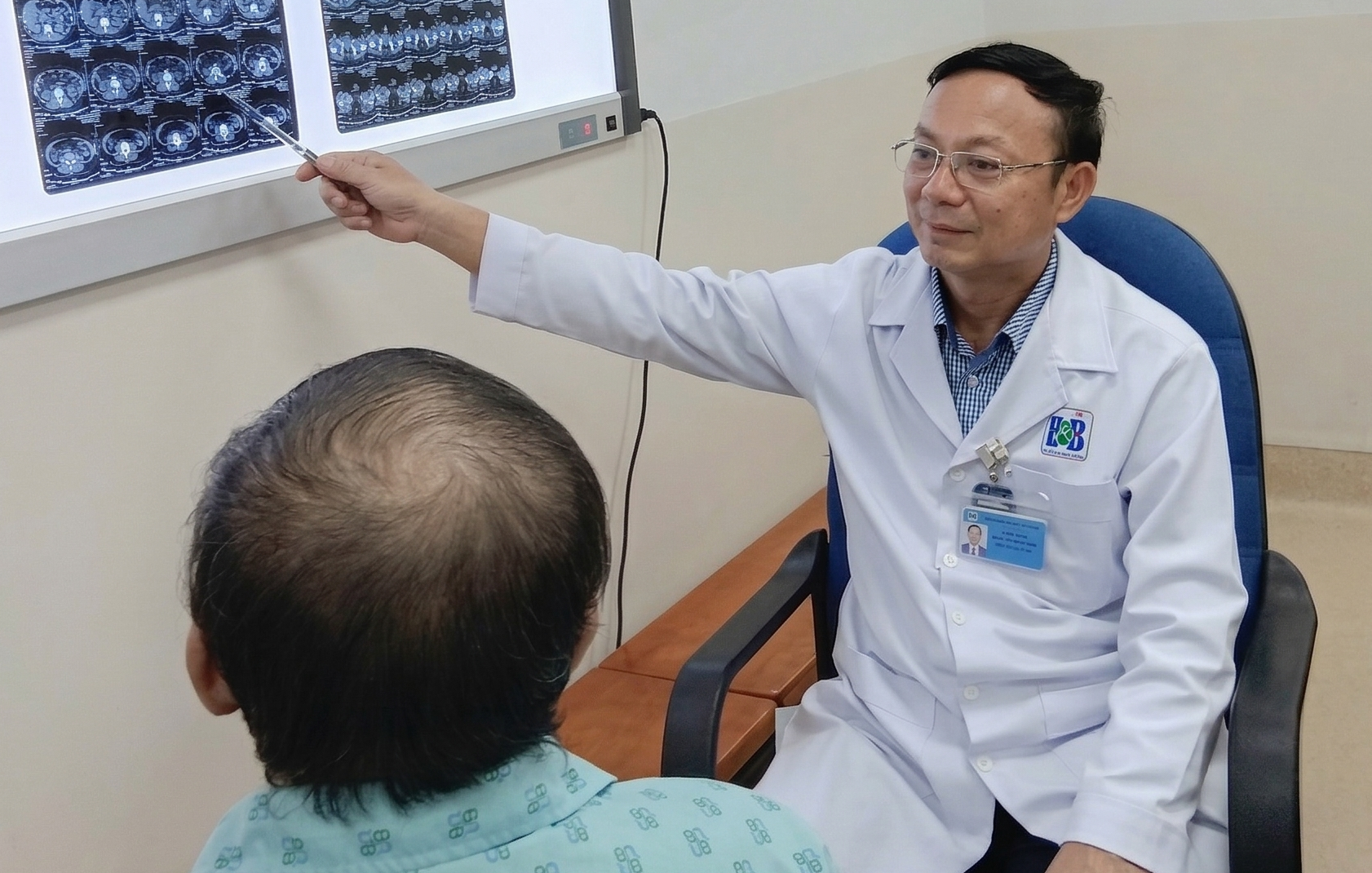 |
Doctor Lam Duc Hoang advises a patient. *Photo: Le Phuong*
Thanh, 49, found himself in a similar predicament. Despite a nasopharyngeal cancer diagnosis, he abandoned conventional treatment to follow a female herbalist, influenced by rumors of her efficacy. After three months of consuming and applying scorpion grass leaves, his condition worsened instead of improving. He developed severe symptoms such as a droopy eyelid, double vision, and hoarseness. When he returned to the hospital, the cancer had metastasized to his right femur and pelvis, causing pain and difficulty walking. The high level of cancer cell DNA in his blood indicated that his treatment had become very challenging.
"I lost my chance to live just by listening to rumors; now I'm just holding on day by day", he expressed.
Doctor Lam Duc Hoang, Head of the Head and Neck Radiation Therapy Department at Ho Chi Minh City Oncology Hospital, stated that patients self-treating cancer with herbal poultices is a common occurrence, observed almost weekly. This trend is also prevalent among patients at K Hospital and Hanoi Oncology Hospital. According to Doctor Hoang, the primary reason is the widespread fear and confusion surrounding modern medicine's perceived side effects, fueled by rumors like "chemotherapy is toxic", "radiation therapy hurts", and "surgery makes cancer spread faster".
Contributing factors include gullibility and the readiness to believe "you will be cured" assurances from acquaintances and neighbors, coupled with the subjective belief that plants are inherently harmless. Adding to this "trap" is the proliferation of information online, where unverified traditional remedies and herbal treatments spread rapidly with promising advertisements.
Doctor Hoang emphasized that patients must not miss the critical window for cancer treatment. Head and neck cancers, in particular, exhibit rapid growth and development compared to many other conditions, capable of progressing locally, regionally, and metastasizing distantly in a short period. If detected and intervened early, the chances of effective treatment are high, potentially leading to a complete cure. Delaying treatment by applying herbal poultices inadvertently pushes the disease to a late stage, depriving patients of their chance to live.
More concerning is that physical actions like massage and poultices, combined with chemicals from the plant leaves, directly impact neck lymph nodes and tumors, causing inflammatory reactions. This inadvertently stimulates rapid cell proliferation, pushing and spreading cancer cells remotely, leading to metastasis via the bloodstream. To date, there is no clinical evidence to prove that leaves such as *xa den* (black grass), male papaya, dragon fruit, or scorpion grass can cure cancer.
In response to this reality, Ho Chi Minh City Oncology Hospital established the Department of Traditional Medicine and Rehabilitation to advise patients who wish to combine Eastern and Western medicine during treatment. Doctor Hoang stressed that if patients want to use additional traditional medicine remedies, they must seek care at licensed facilities with specialized doctors supervising, and absolutely avoid self-treatment based on word-of-mouth.
Le Phuong