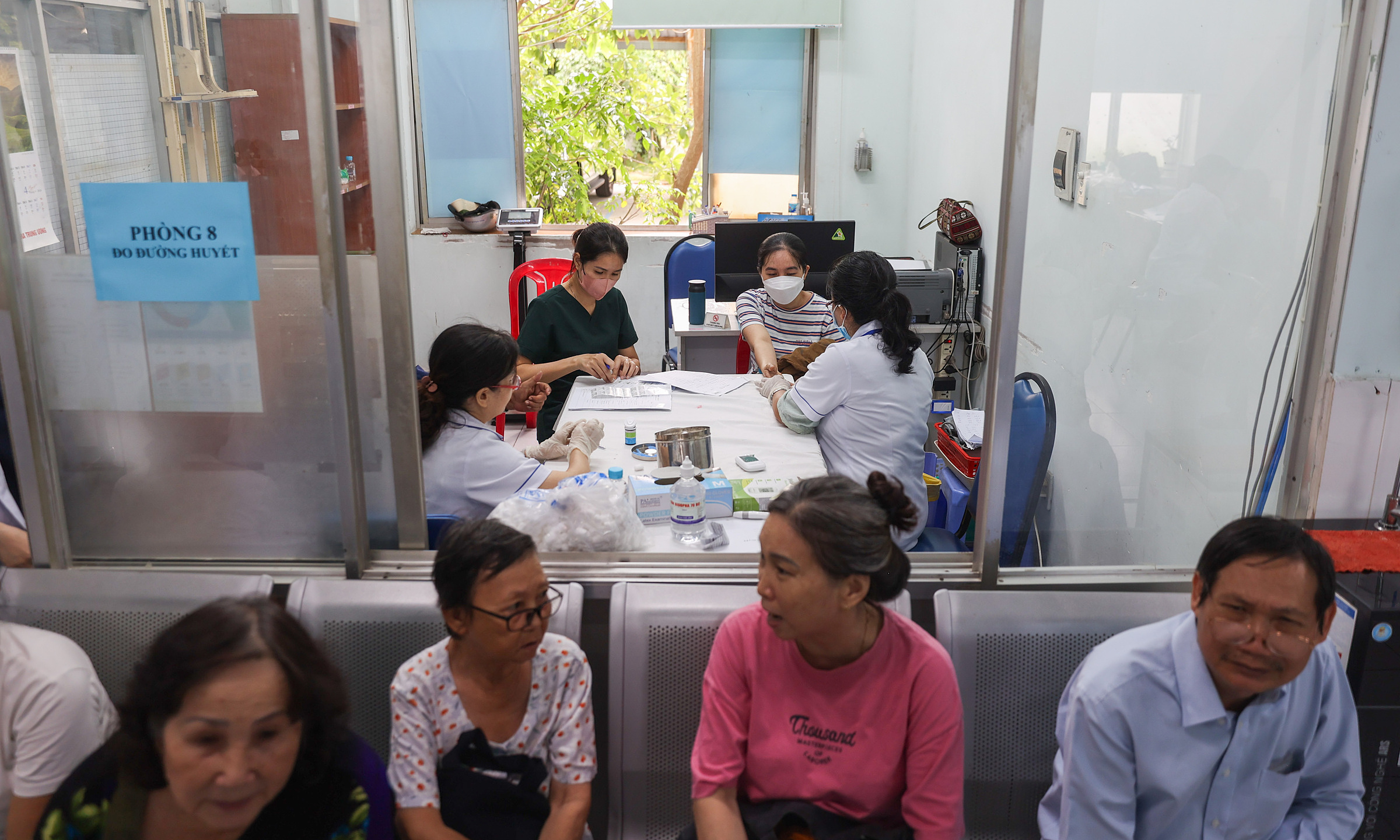
Doctor Dinh Van Luong, Director of the Central Lung Hospital, shared this information on World Tuberculosis Day, on 24/3. According to him, Politburo Resolution 72’s direction is to shift focus from "treatment" to "prevention", establishing grassroots healthcare as its foundation. However, tuberculosis screening is currently not included in initial or routine health check-up lists.
This proposal comes as the World Health Organization (WHO) ranks Vietnam 12th among the 30 countries with the highest tuberculosis burden and 10th for multi-drug resistant tuberculosis. In 2025, the national health system detected over 119,000 cases, meeting only 63% of the estimated number of infections. The 37% gap of undiagnosed individuals carrying the bacteria poses a significant risk of silent transmission within the community. Notably, the southern region accounts for 60% of the country's total cases, requiring urgent additional investment from the government and local authorities.
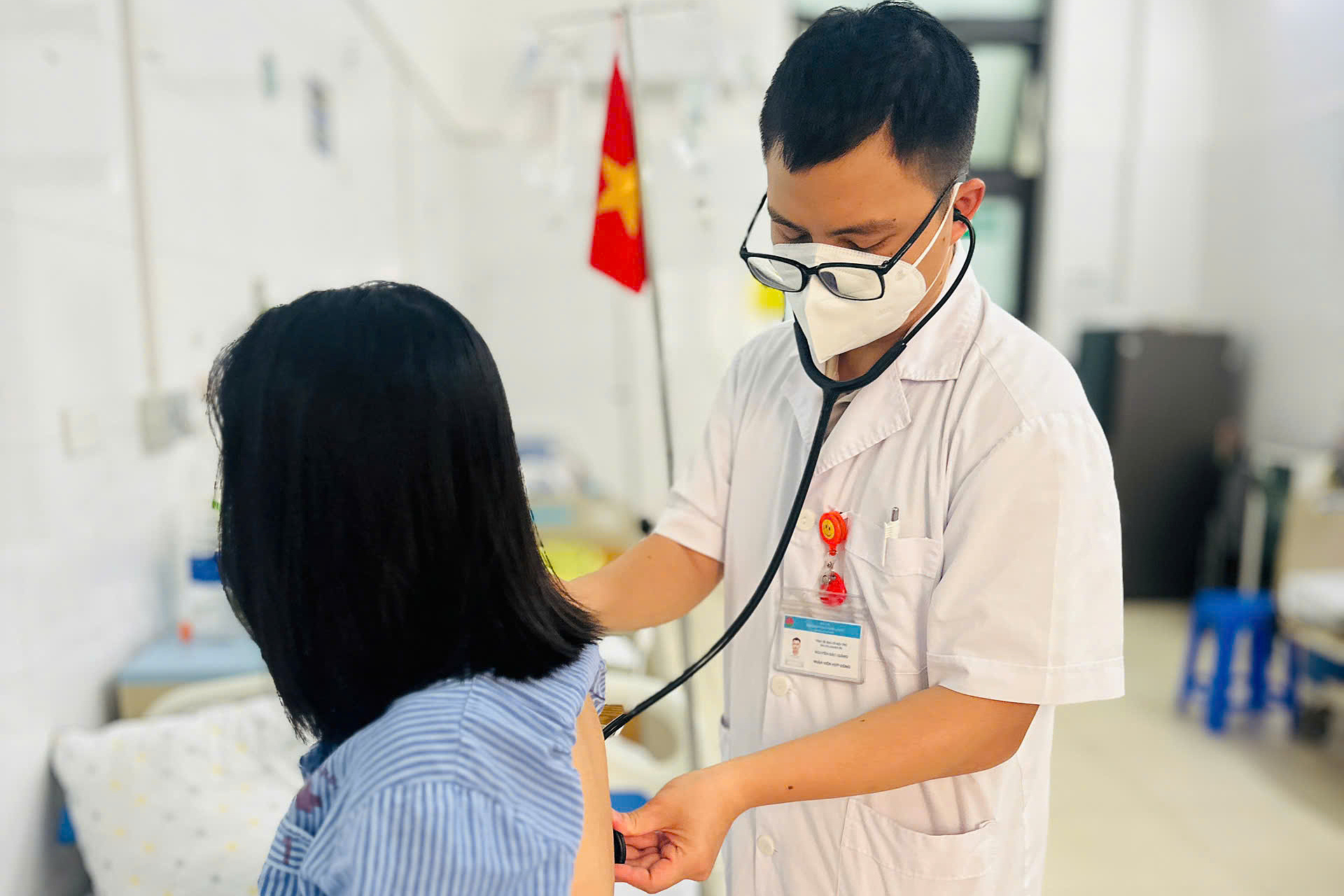 |
A patient receiving treatment at the Central Lung Hospital. Photo: Thu Huong |
Under the new plan, healthcare facilities will conduct chest X-rays for citizens during their routine check-ups, thoroughly addressing the nearly 40% of carriers who show no external symptoms. Grassroots doctors will then order genexpert tests for suspected cases. Doctor Luong affirmed that the current healthcare network is fully capable of undertaking this large-scale task. Hospitals and medical centers nationwide already possess a large number of conventional and digital X-ray machines. Specifically, the National Tuberculosis Program directly manages 45 mobile units and 250 X-ray machines, ready for deployment across all provinces and cities.
Tuberculosis is currently completely curable if doctors detect it early and apply the correct treatment protocol. Vietnam is achieving a successful treatment rate of approximately 90%, surpassing the global average of 88%. Doctor Luong emphasized that less than 5 years remain to achieve the goal of ending tuberculosis by 2030. Adding a screening component to the annual health check-up process is a crucial step to save treatment costs and protect the community. However, experts assert that the health system can only realize this goal with strong commitment from all levels of management, stable financial allocation, and seamless coordination among departments.
Le Nga