Eng English
China 中国人

Eng English
China 中国人
  • News
  • World
  • Business
  • Entertainment
  • Sports
  • Law
  • Education
  • Health
  • Lifestyle
  • Travel
  • Science
  • Digital
  • Automobiles
  • Trở lại Thể thao
  • Health
Tuesday, 24/3/2026 | 19:03 GMT+7

Can two types of meningococcal vaccine be administered simultaneously?

A 26-year-old mother from An Giang, Phung Thanh Ngoc, asks if her 5-month-old child can receive two types of meningococcal vaccines—one for group B and another for groups A, C, Y, and W—in a single session, and what precautions should be taken.

Answer:

Vietnam currently offers vaccines protecting against five prevalent meningococcal serogroups: A, B, C, Y, and W. This includes three types of new-generation quadrivalent meningococcal vaccines, which protect against serogroups A, C, Y, and W; the earliest of these can be administered to infants from six weeks of age. Additionally, a new-generation vaccine for meningococcal group B is available for infants from two months old, and another meningococcal vaccine, covering both groups B and C, can be given from six months of age.

According to manufacturer prescribing information, the meningococcal group B vaccine can be administered concurrently with several other vaccines in the same session. These include: the quadrivalent meningococcal vaccine (for groups A, C, Y, and W), influenza, 6-in-1, pneumococcal, hepatitis B, measles, and varicella. Infants will receive injections at different sites. This practice does not alter the immune response of individual vaccines nor does it increase the incidence of post-vaccination reactions.

Given the complex progression of meningococcal disease, with numerous cases detected and increased domestic and international travel, the epidemiology of meningococcal disease is becoming more unpredictable. Therefore, it is advisable to ensure children receive full vaccination against all meningococcal serogroups and other recommended vaccines for early protection.

When attending vaccination appointments, individuals should adhere to the procedures guided by doctors, nurses, or medical staff at the vaccination facility. Everyone should remain at the vaccination site for at least 30 minutes for post-vaccination observation, then continue monitoring at home for 24 to 48 hours. Common post-vaccination reactions, such as pain, swelling, localized lumps, fever, discomfort, and fatigue, typically resolve on their own within one to two days without requiring treatment. In cases of high fever exceeding 38,5 degrees C, antipyretics can be administered as directed by a doctor.
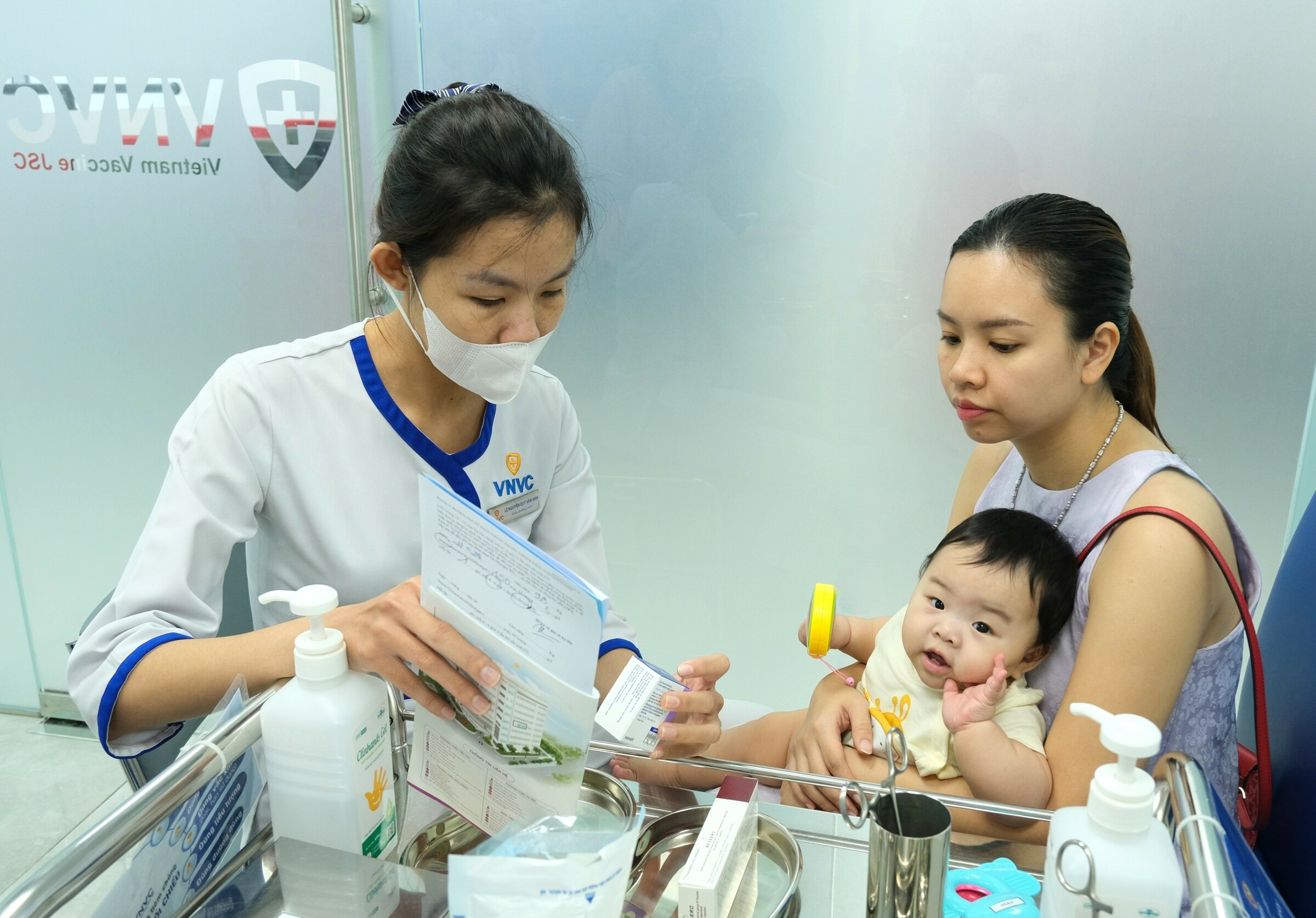
Children are brought by parents to VNVC for vaccination against two types of meningococcal disease, protecting against all five pathogenic serogroups. *Photo: Hoang Duong*

Meningococcal disease is a dangerous acute infectious disease. The bacteria commonly reside in the nasopharynx and spread through the respiratory tract via respiratory droplets or accidental contact with contaminated surfaces. Within the community, the carrier rate among healthy individuals can be as high as 10-20%, increasing in epidemic areas. These carriers pose a significant risk of transmission to vulnerable groups, including children, the elderly, individuals with underlying health conditions, and pregnant women.

The two most common forms of invasive meningococcal disease are meningitis and septicemia, though both can occur concurrently, or other less common manifestations may appear. The disease carries a high mortality rate; without timely treatment, one in two infected individuals may die. Even with early detection and aggressive treatment, the mortality rate remains substantial. Furthermore, approximately 20% of invasive meningococcal disease survivors face severe complications, including limb amputation, brain damage, paralysis, or deafness.

Notably, the initial symptoms of meningococcal disease are often subtle and easily mistaken for common illnesses like pharyngitis, the common cold, or influenza, presenting as fever, cough, sore throat, and fatigue. However, the disease progresses rapidly, with a risk of death within 24 hours of symptom onset.

Doctor Huynh Tran An Khuong

(Medical Specialist, VNVC Vaccination System)

Readers can submit vaccine consultation questions for doctors to answer here.
By VnExpress: https://vnexpress.net/co-the-tiem-hai-loai-vaccine-nao-mo-cau-cung-luc-duoc-khong-5054339.html
Tags: VNVC vaccine meningococcal disease

News in the same category

Does drinking a lot of water help expel kidney stones?

Does drinking a lot of water help expel kidney stones?

A reader with a 5 mm kidney stone asks if drinking a lot of water can expel the stone through urination without surgery. (Van Nam, TP HCM)

Cardiac arrest after alcohol consumption

Cardiac arrest after alcohol consumption

A 35-year-old man is in a deep coma, experiencing circulatory arrest after drinking alcohol, and is currently in critical condition due to suspected methanol poisoning.

Proposal to integrate tuberculosis screening into national routine health check-ups

Proposal to integrate tuberculosis screening into national routine health check-ups

The National Tuberculosis Program proposes embedding tuberculosis screening into regular health check-ups for the public, aiming for early detection and reducing the disease burden.

Recall of aclon anti-inflammatory drug due to quality violations

Recall of aclon anti-inflammatory drug due to quality violations

The Drug Administration of Vietnam has issued a nationwide recall for a batch of aclon (aceclofenac 100mg) film-coated tablets due to quality control failures.

5 eating habits thought to be beneficial but actually harm your stomach

5 eating habits thought to be beneficial but actually harm your stomach

Maintaining a prolonged diet of overly soft, monotonous foods can make your stomach "lazy" and diminish its natural function.

Banh mi stall suspected of poisoning 19 people sourced ingredients from various places

Banh mi stall suspected of poisoning 19 people sourced ingredients from various places

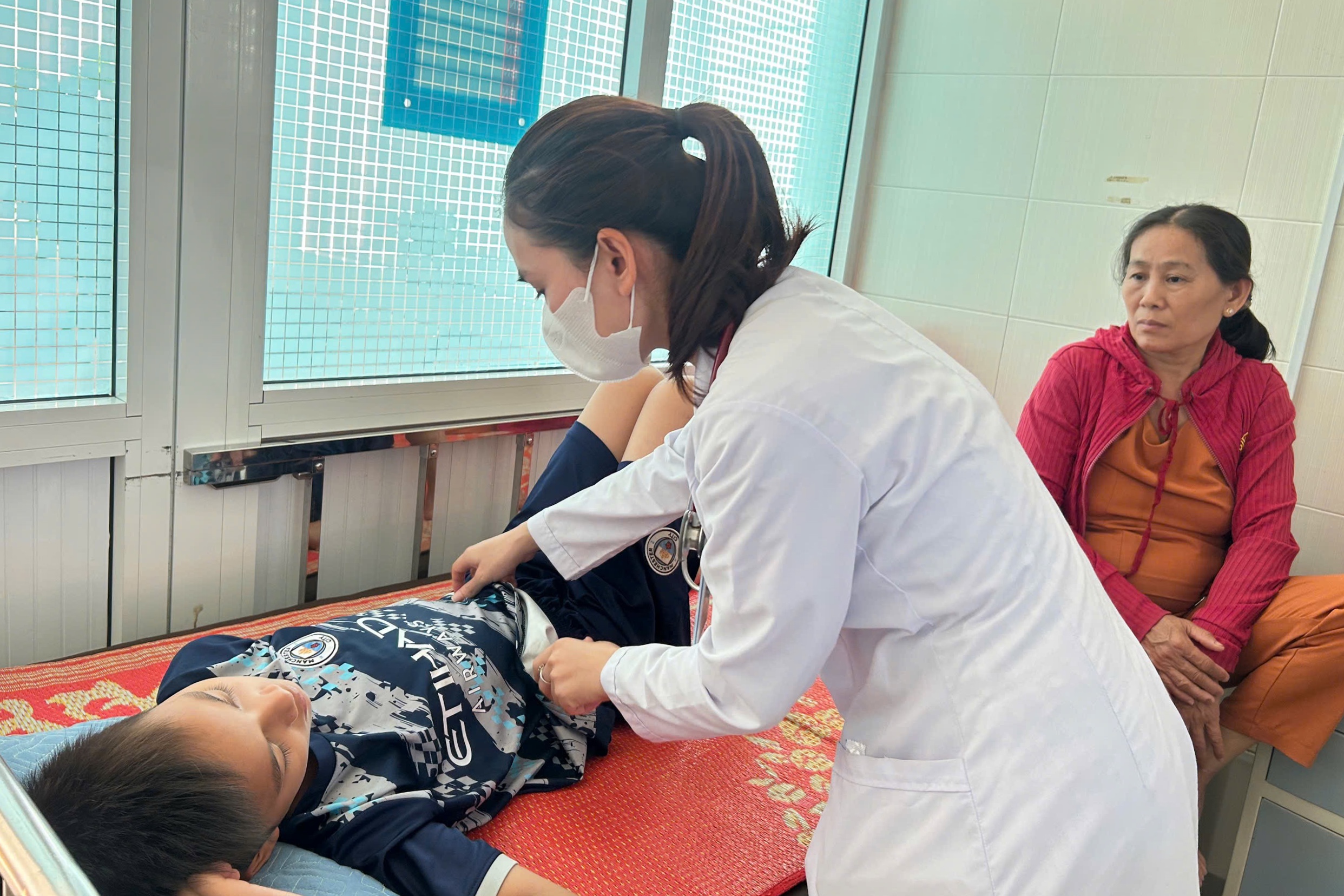
The owner of a banh mi stall in Quang Ngai, suspected of hospitalizing 19 people, obtained pork roll, braised chili sauce, and shredded pork floss from two different suppliers, while some ingredients were prepared in-house.

Who should limit avocado consumption?

Who should limit avocado consumption?

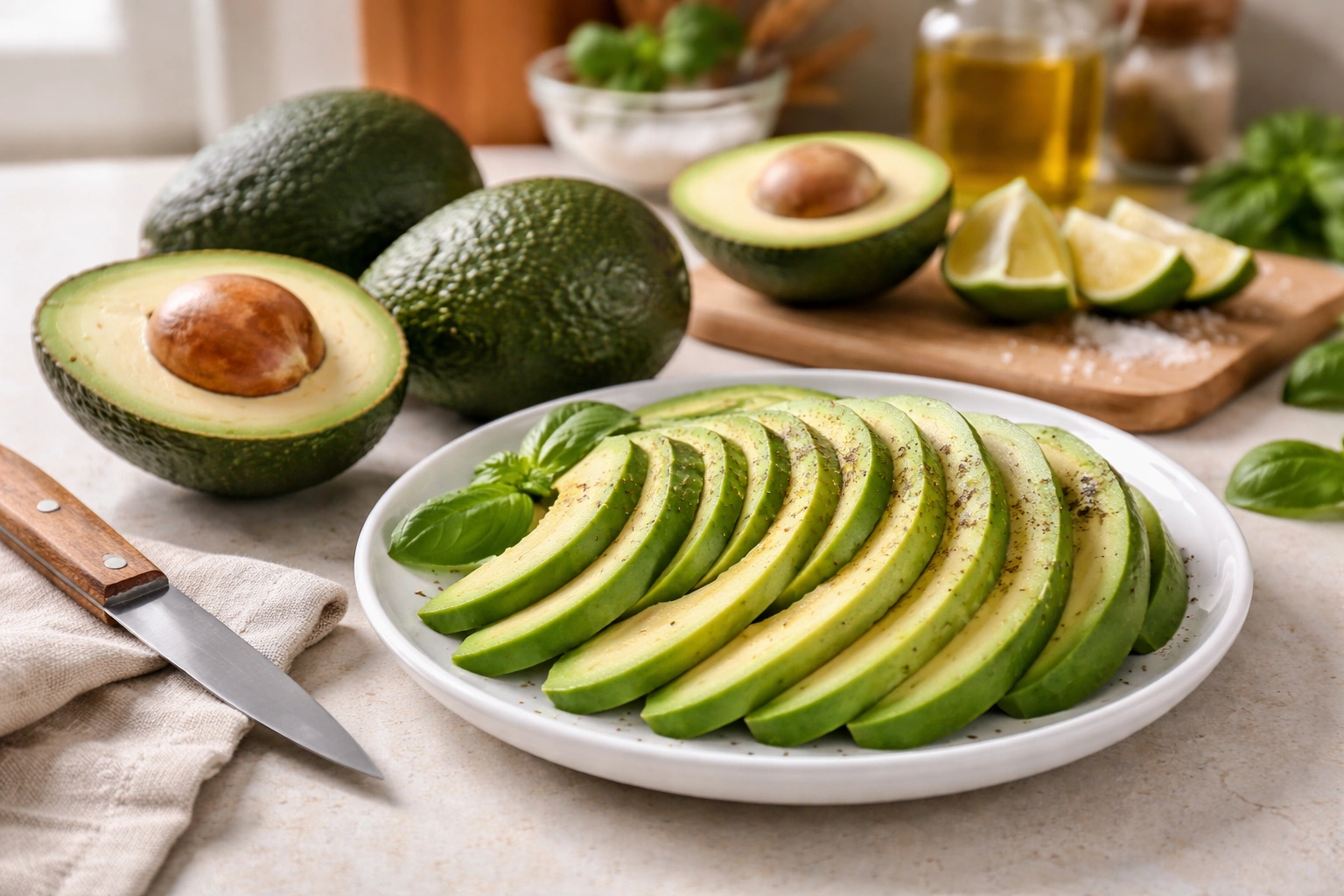
Individuals with kidney disease, those with latex allergies, and people taking blood-thinning medication should consult a doctor before regularly consuming avocados.

How to replace foods for children's gut health

How to replace foods for children's gut health

Children should eat low-sugar yogurt, prioritize whole fruits over juice, and incorporate healthy snacks and vegetables to support digestion.

How do sprains differ from dislocations?

How do sprains differ from dislocations?

Sprains involve ligament injuries, while dislocations are more severe, potentially damaging blood vessels and nerves.

Boy infected with drug-resistant urinary tract bacteria

Boy infected with drug-resistant urinary tract bacteria

Khoi, a 4-month-old boy, developed a high fever and red throat, with test results confirming a urinary tract infection caused by drug-resistant Escherichia coli bacteria.

Eng English
China 中国人
  • News
  • World
  • Business
  • Entertainment
  • Sports
  • Law
  • Education
  • Health
  • Lifestyle
  • Travel
  • Science
  • Digital
  • Automobiles
FPT Tower, 10 Pham Van Bach Street, Dich Vong Ward,
Cau Giay District, Hanoi, Vietnam
Email: contacts@vnportal.net
Tel: 028 7300 9999 - Ext 8556
Advertise with us: 090 293 9644
Register
© Copyright 2026 vnnow.net. All rights reserved.
Terms of use Privacy policy Cookies