Drinking water is paramount for preventing and managing kidney stones. It dilutes urine, reducing mineral salt crystal concentrations: calcium, oxalate, and uric acid. This prevents new stone formation and inhibits existing stone growth.
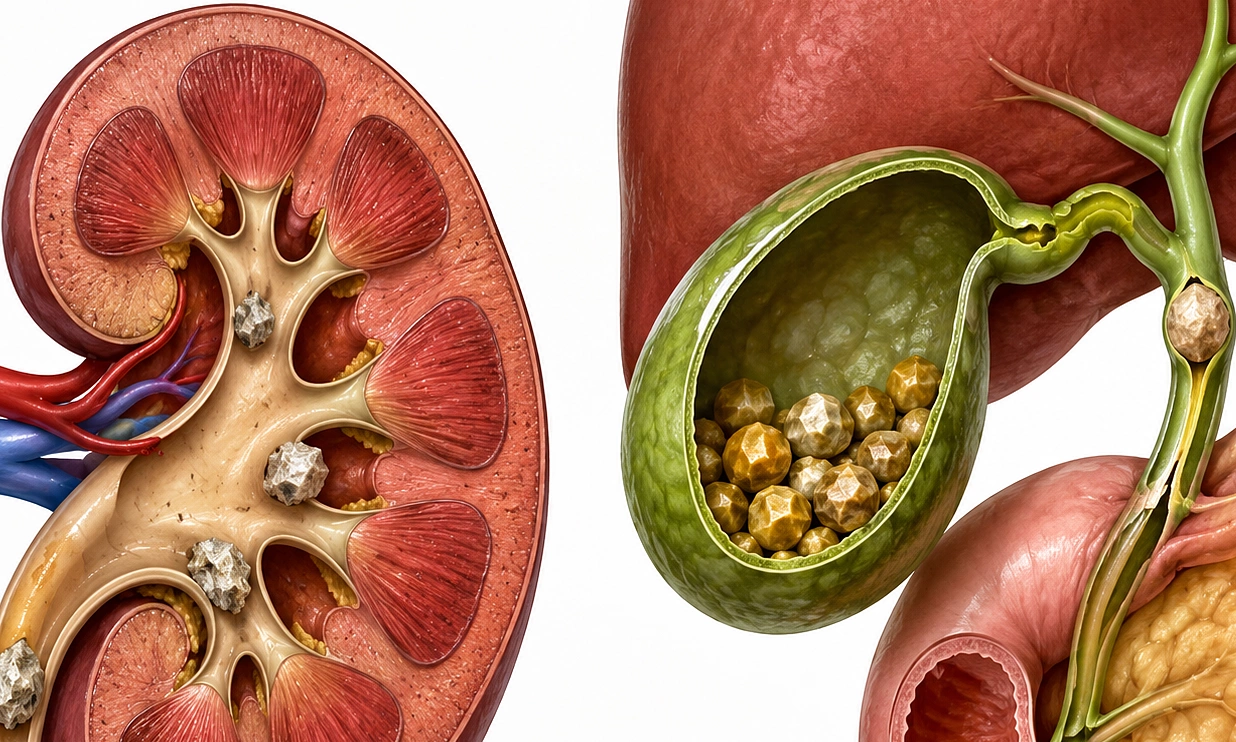
Stones around 5 mm can pass naturally through the urinary tract. Small stones (under 5 mm) have a self-expulsion rate of up to 80% if the urinary tract is clear. However, the approach to increased water intake requires careful understanding. Drinking excessive water suddenly can pressure the kidney-bladder system, leading to polyuria, and potentially water intoxication if renal filtration capacity is exceeded.
Water only aids stone expulsion if the stone has a smooth surface, is favorably positioned (such as in the upper or middle renal calyx), and causes no obstructive complications. If stones are rough, spiky, or located in narrow areas like the renal calyx neck or ureteropelvic junction, excessive water intake can cause severe renal colic, mucosal abrasion leading to hematuria, or worsen impaction, causing hydronephrosis and kidney infection.
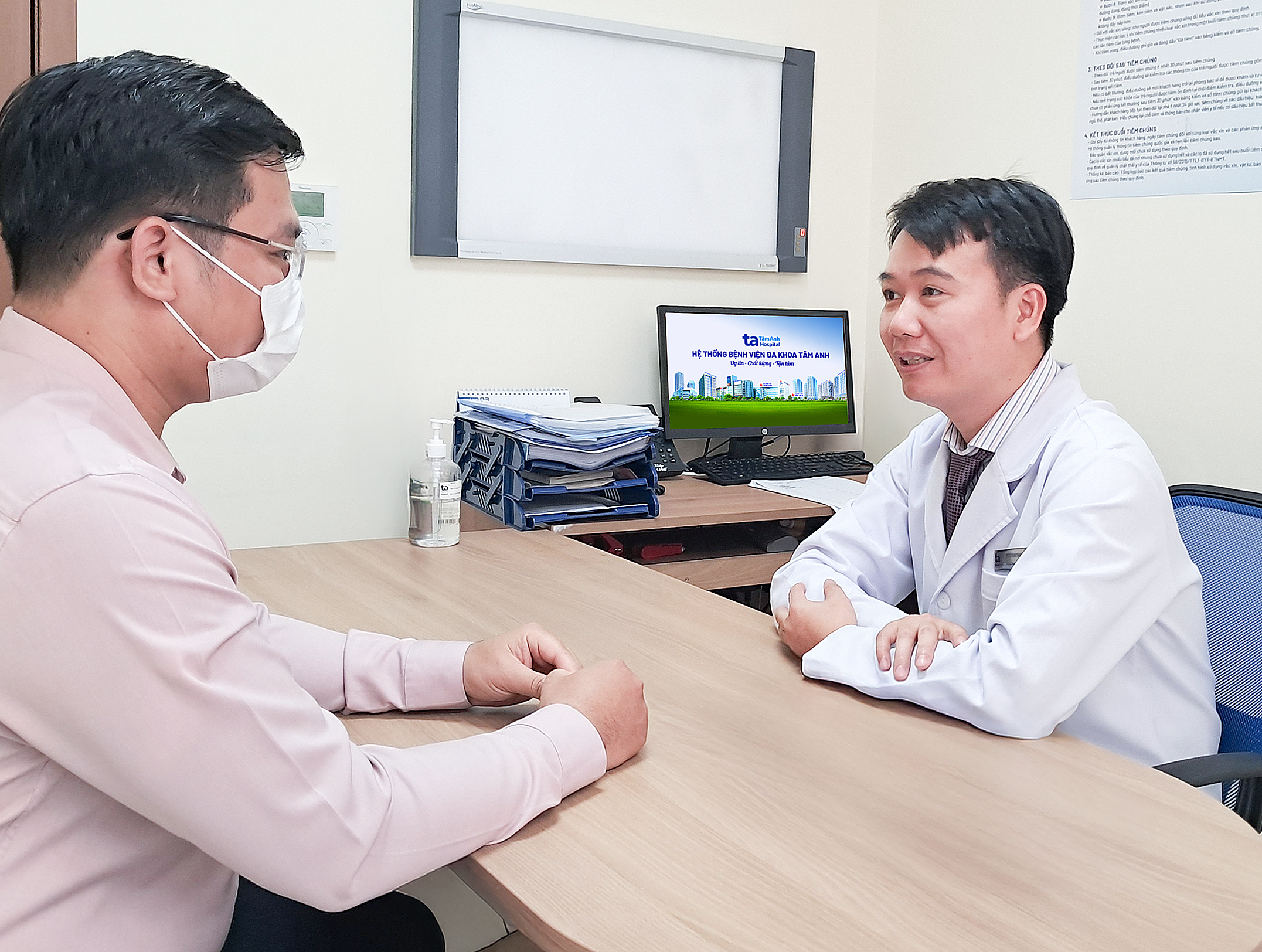 |
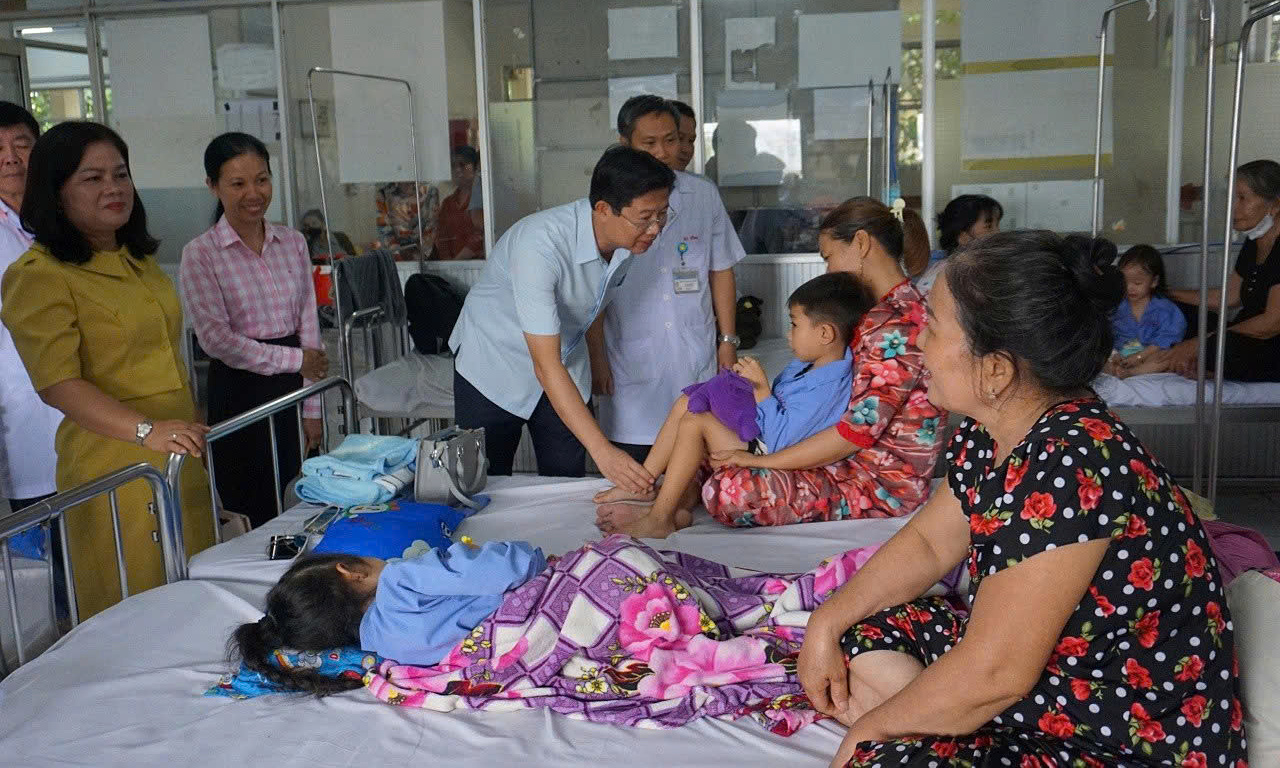
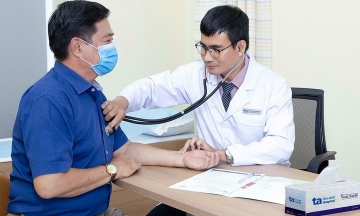
Master, Doctor, Second-Degree Specialist Pham Thanh Truc examines a patient. *Photo: Tam Anh General Hospital* |
You should not attempt self-treatment with excessive water. Instead, seek medical evaluation for an accurate assessment of the stone's position and structure. At Tam Anh General Hospital TP HCM, doctors will prescribe ultrasound, abdominal X-ray, or multi-slice CT scans to determine the stone's hardness and mobility, depending on your condition.
If the stone is likely to pass naturally, doctors will guide you on care and prescribe supportive medication for easier expulsion. If the stone cannot pass or causes complications, doctors employ modern, minimally invasive techniques. These include extracorporeal shockwave lithotripsy, retrograde intrarenal lithotripsy with laser, or percutaneous nephrolithotomy (mini-PCNL). These methods quickly clear stones, reduce pain, and maximally preserve kidney function.
To support natural stone expulsion, drink about 2,5-3 liters of water daily, spaced evenly throughout the day. Also, limit salty foods, reduce oxalate-rich foods: strong tea, chocolate, and water spinach, restrict animal protein, and maintain light exercise to facilitate stone movement.
If symptoms such as severe lower back pain radiating to the groin, painful urination, frequent urination, or high fever occur, seek immediate hospitalization. This ensures timely diagnosis and treatment, preventing dangerous complications.
Master, Doctor, Second-Degree Specialist Pham Thanh Truc
Urology - Nephrology - Andrology Center
Tam Anh General Hospital TP HCM
| Readers can send questions about kidney - urological diseases here for doctors to answer |