Researchers from the Korea Advanced Institute of Science and Technology (KAIST) and biotech firm Neogenlogic have developed a platform to identify neoantigens. These patient-specific antigens are crucial for vaccines designed to train the immune system and prevent cancer recurrence.
The team is also applying a new cancer vaccine approach, integrating it into AI training. Instead of stimulating T cells for immediate attack, their method focuses on B cells, which possess immune memory. This aims to generate long-lasting, sustainable anti-cancer responses and prevent recurrence.
This new AI model predicts which neoantigens will trigger robust B cell responses. The AI achieves this by analyzing how mutated protein segments, known as peptides, interact with B cell receptors (BCRs).
A research team representative stated, "This is the world's first AI framework capable of predicting B cell immune responses simultaneously with T cell responses. This makes personalized cancer vaccine design more accurate and effective."
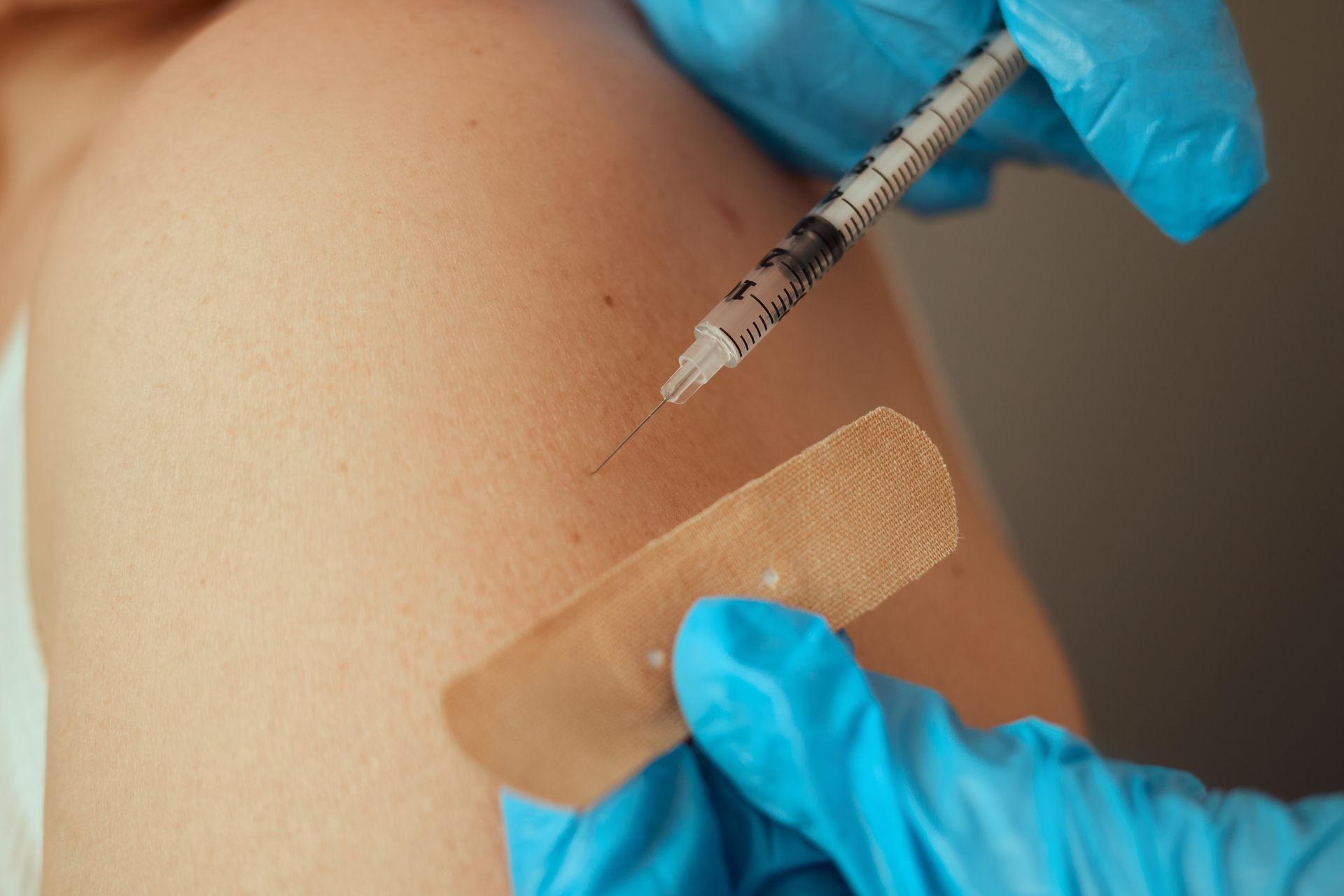 |
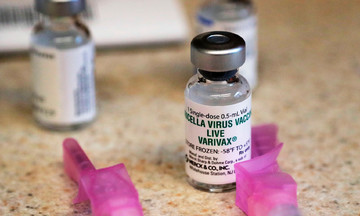
Illustration of cancer vaccine testing. *Vecteezy* |
Professor Choi Jung-kyoon, who leads the expert team, highlighted the study's importance in demonstrating the role of B cells in cancer vaccine development. He noted that while scientists previously acknowledged the significance of B cells, no clear tools existed for their verification.
In a separate statement, Neogenlogic confirmed the technology's validation through large-scale genomic and clinical trial data from leading global vaccine companies. The company also integrated the AI model into its proprietary DeepNeo discovery platform.
The team is currently preparing an investigational new drug (IND) application for submission to the U.S. Food and Drug Administration (FDA). Clinical trials for the vaccine are anticipated to begin in 2027.
Developing vaccines to treat or prevent cancer recurrence has become a global priority in recent years. According to Globocan data, cancer remains a leading cause of death, accounting for approximately 10 million fatalities annually. This underscores the urgent need for both preventive and therapeutic vaccines.
Major biotechnology companies are actively conducting clinical trials for cancer vaccines, with expectations that initial products will see widespread application by 2027. For example: Russia has announced plans for a vaccine designed to prevent tumor growth and control metastasis. BioNTech, recognized for its mRNA Covid-19 vaccine, is heavily invested in personalized cancer vaccines, reporting significant progress in clinical trials, particularly for malignant melanoma, and expanding its research to other cancer types.
Van Ha