 |
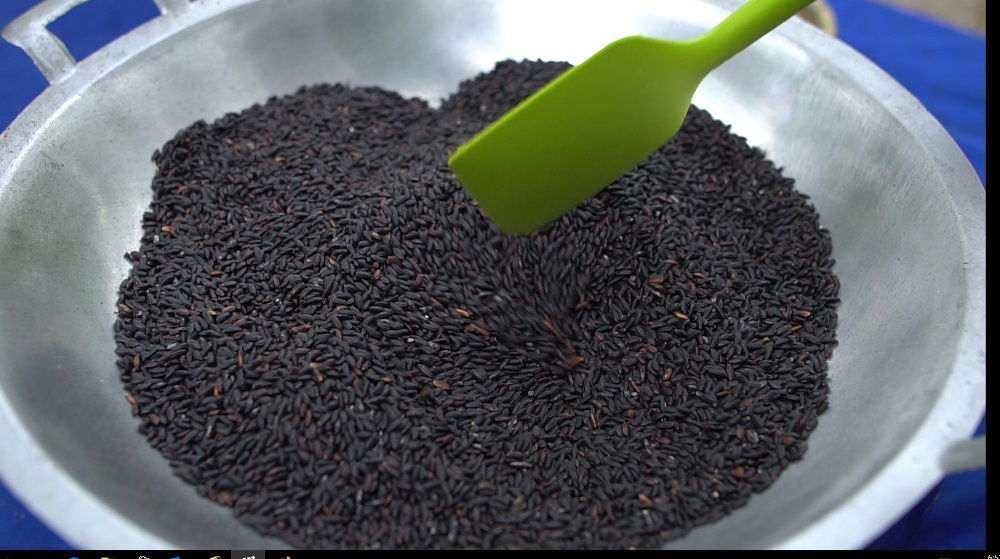
Brown rice is a popular alternative to white rice due to its low glycemic index (around 50), which allows for slower digestion and more stable blood sugar levels over time. Its bran and germ layers are rich in fiber, magnesium, and antioxidants, promoting satiety and aiding in weight loss. The slightly nutty flavor and chewy texture of brown rice offer a satisfying taste and texture. |
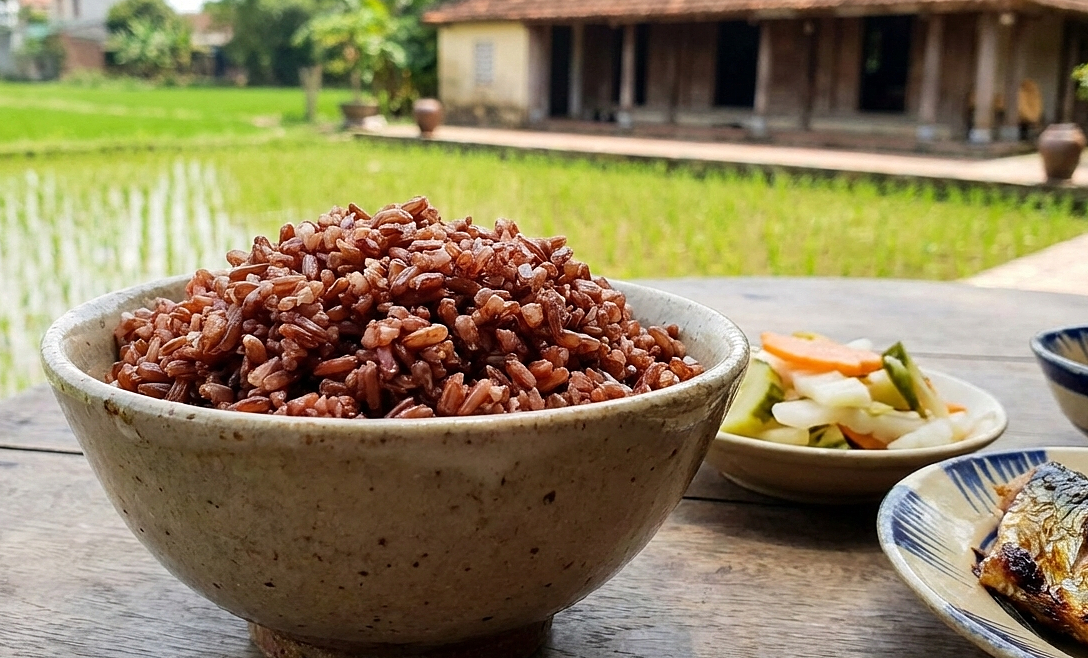 |
Red rice is beneficial for both diabetics and those aiming for weight loss, as it is rich in fiber, protein, and antioxidants. Its glycemic index ranges from 45-52. The grain's vibrant red color comes from anthocyanin, a powerful antioxidant that reduces inflammation, improves insulin sensitivity, and boosts metabolism. |
 |
Basmati rice offers a lower glycemic index compared to other white rice varieties, releasing energy slowly. By retaining its bran layer, this rice provides significant amounts of fiber, B vitamins, and minerals. Its fluffy, aromatic grains, when combined with vegetables or lean protein, effectively support weight loss. |
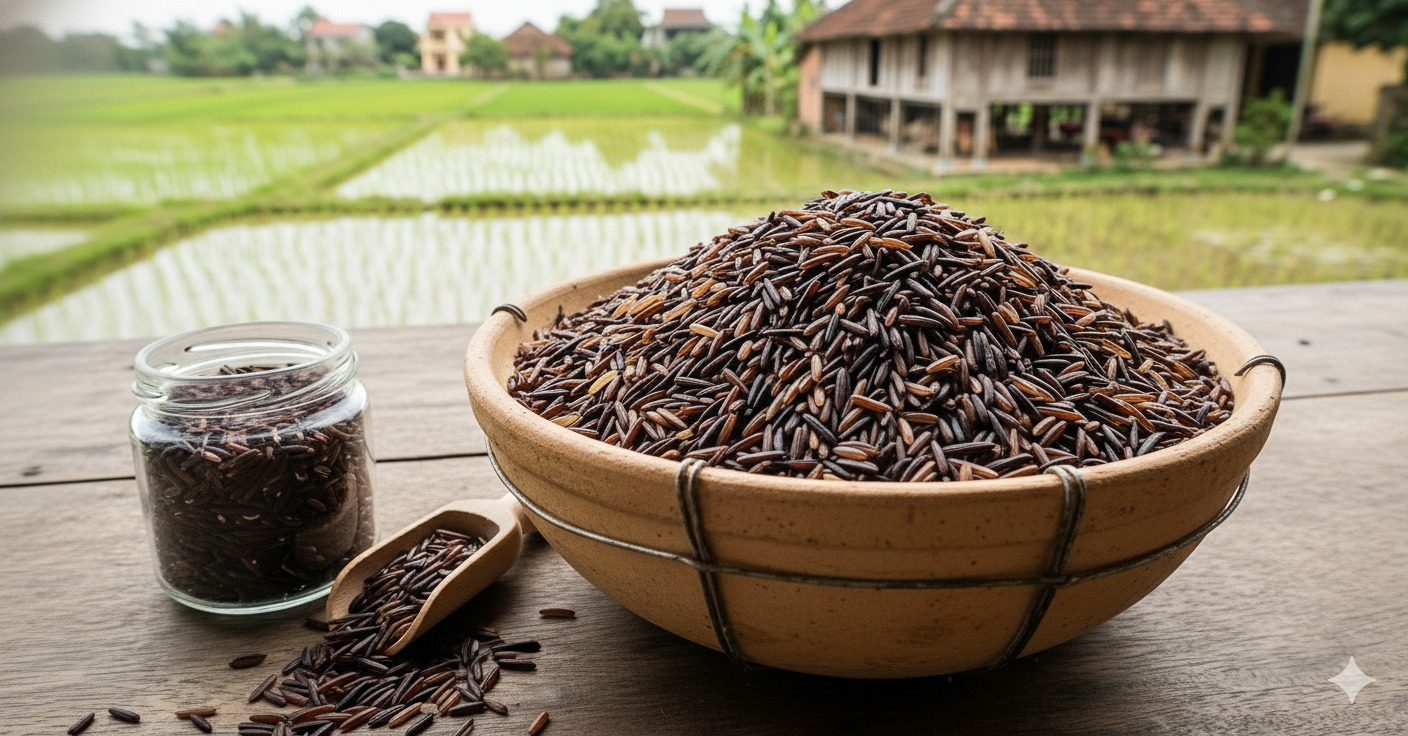 |
Wild rice, often black or long brown, is known for its earthy flavor and chewy texture. It is rich in protein, fiber, vitamins, and minerals. With a glycemic index ranging from 35-40, its low carbohydrate content helps regulate blood sugar levels and prolongs satiety. This rice also provides protein, zinc, and magnesium, which are essential nutrients for metabolism. |
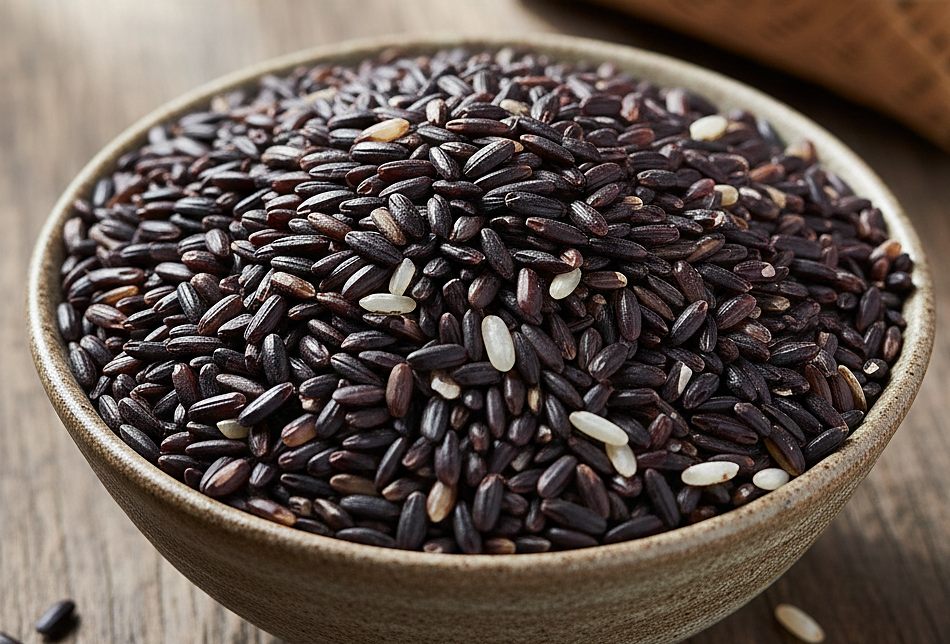 |
Black rice is a nutrient-rich grain with a glycemic index of 35-45. It is high in fiber and anthocyanin, a powerful antioxidant that combats oxidative stress. The rich nutritional content of black rice supports improved metabolism and weight loss. |
By Anh Chi (Source: Healthshots)
Images: Bui Thuy, AI