In recent years, with the rise of fitness and healthy eating trends, sweet potatoes have become a popular alternative to staple carbohydrates due to their rich fiber and nutritional content. However, the nutritional value and blood sugar impact of boiled, steamed, baked, or chilled sweet potatoes differ significantly.
Ms. Hua Hue Ngoc, director of the Nutrition and Food Center at the Dong Thi Foundation (Taiwan), states that heating sweet potatoes changes their starch structure, making them easier for the body to absorb.
Conversely, when sweet potatoes are cooled or refrigerated, some of their starch converts into "resistant starch". This type of starch is difficult for the body to absorb, which helps slow the rate of blood sugar increase and prolongs feelings of fullness.
According to Ms. Hua Hue Ngoc, in terms of the rate at which they raise blood sugar, cold sweet potatoes have the slowest impact, followed by boiled, then steamed sweet potatoes. Baked sweet potatoes cause the fastest increase in blood sugar.
This difference stems from the baking process, which dehydrates the sweet potato, concentrating its sugar content and enhancing its sweetness. Combined with the heating that makes them easier to absorb, baked sweet potatoes become the primary culprit for rapid blood sugar spikes. In contrast, the starch in cold sweet potatoes, after cooking and cooling, produces resistant starch, whose structure makes it difficult for the intestines to absorb, thereby making blood sugar increases less likely.
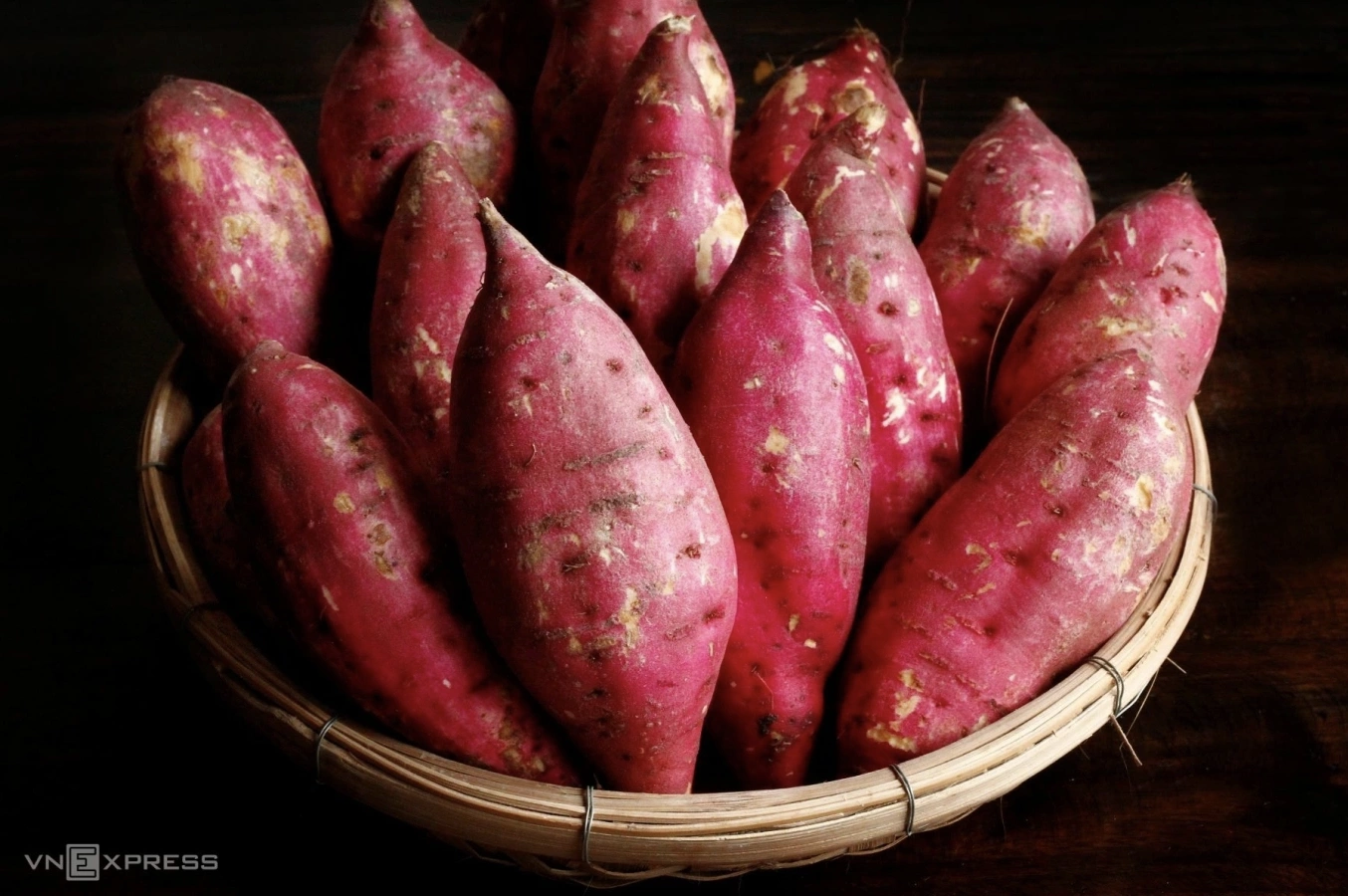 |
The nutritional value and blood sugar impact of boiled, steamed, baked, or chilled sweet potatoes differ significantly. Photo: Bui Thuy |
Expert Hua Hue Ngoc points out that the optimal way to prepare sweet potatoes depends on individual goals:
If the goal is blood sugar stabilization: Prioritize chilled sweet potatoes (stored in the refrigerator).
If quick energy replenishment is needed after exercise: For muscle recovery or to raise blood sugar levels, hot sweet potatoes are a more suitable choice.
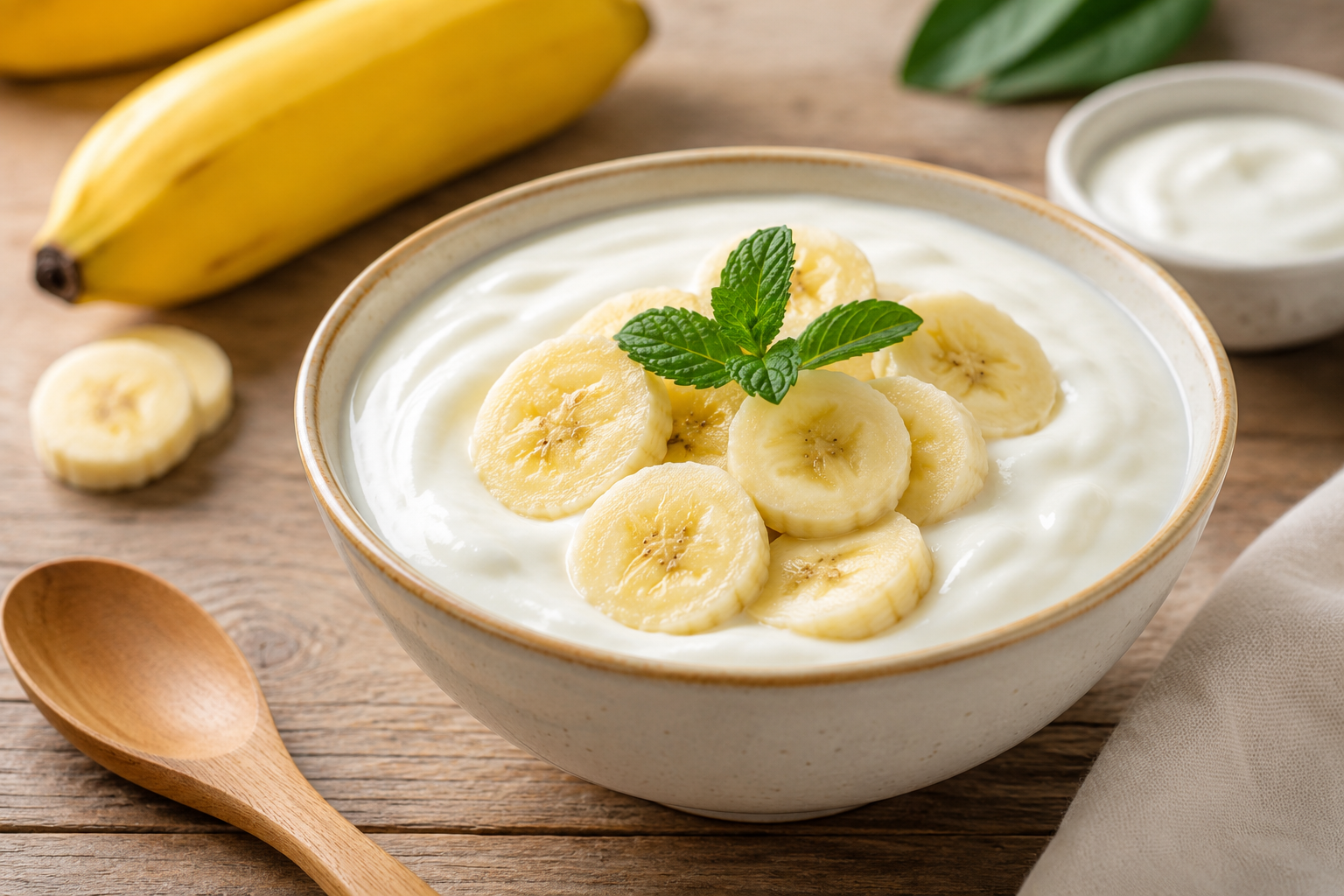
Beyond sweet potatoes, Ms. Hua Hue Ngoc notes that potatoes, pumpkin, and bananas are also excellent carbohydrate sources for sports enthusiasts.
Potatoes and pumpkin share similar properties with sweet potatoes, both belonging to the high-quality carbohydrate group. Bananas, meanwhile, provide essential carbohydrates for physical activity, making them an ideal supplementary food.
The director of the Nutrition Center emphasizes that carbohydrate consumption can be flexibly adjusted based on personal goals:
To lose weight or control blood sugar: Choose cold or boiled sweet potatoes.
To promote muscle synthesis and development after high-intensity workouts: Opt for hot baked sweet potatoes or potatoes to achieve rapid physiological absorption.
My Y (According to UDN)