The fetus was diagnosed with macrosomia at 35 weeks and was gaining approximately 500 g each week, with an ultrasound at 38 weeks estimating its weight at 5 kg. According to Doctor To Thi Hong Nhung of the Department of Obstetrics and Gynecology at Tam Anh General Hospital Hanoi, the fetus’s exceptional weight was due to the mother’s gestational diabetes and a history of large babies.
Doctor Nhung explained that gestational diabetes leads to macrosomia because high blood sugar levels in the mother are transmitted across the placenta, stimulating the baby's pancreas to produce excess insulin. This surplus insulin acts like a growth hormone, causing the fetus to accumulate fat and develop excessively.
Doctors opted for a caesarean section to ensure safety, resulting in the healthy birth of the 5,3 kg baby. Full-term infants typically weigh between 2,8 and 3,5 kg. Babies weighing over 4 kg are classified as macrosomic, and those over 4,5 kg are considered very large. Fetuses weighing 5 kg or more account for only about 0,1% of all births, Doctor Nhung noted.
Throughout this pregnancy, Ly gained 8 kg, which was approximately 15 kg less than her previous two pregnancies. She also avoided excessive nutritional supplementation during this period.
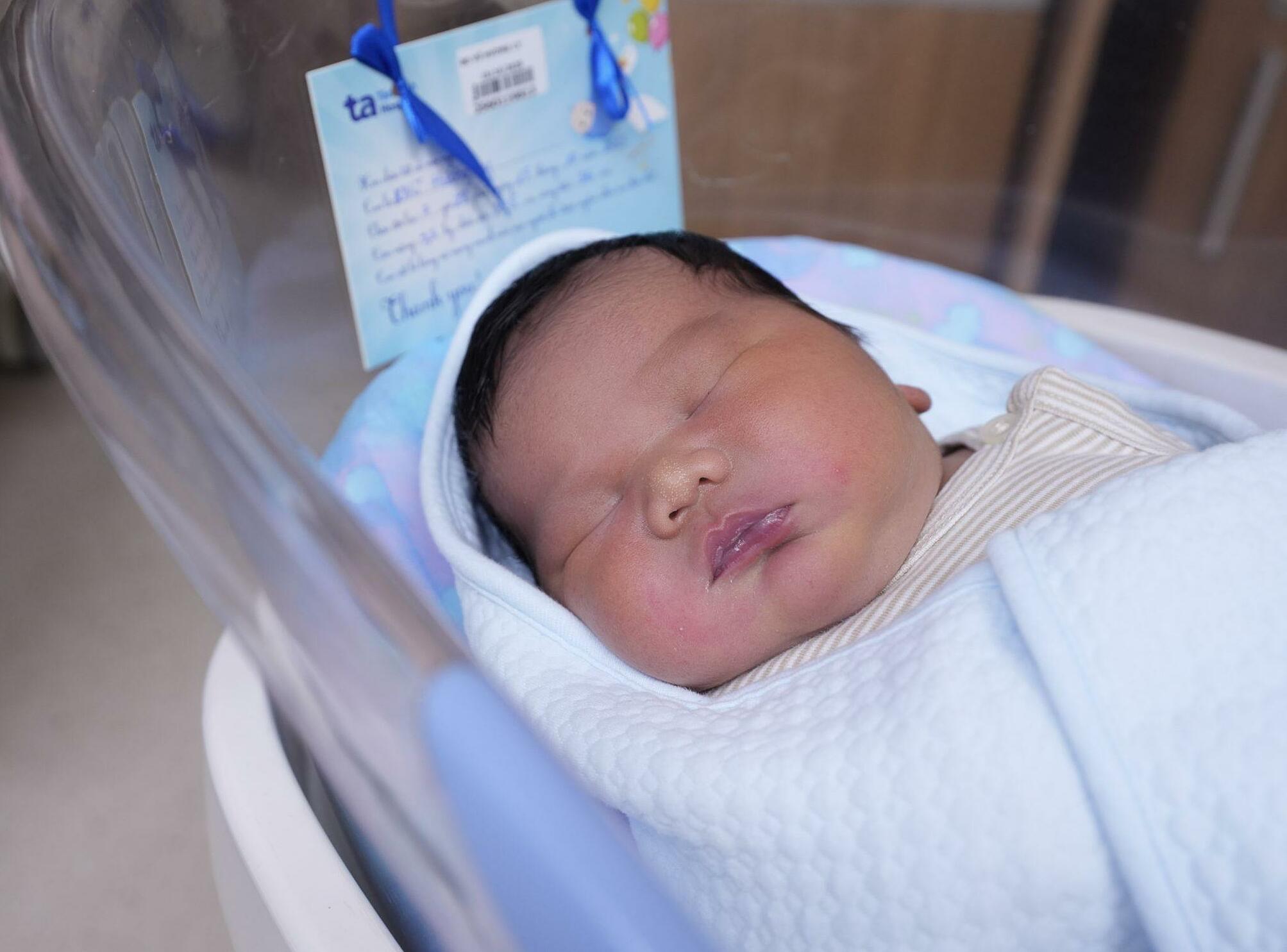 |
A baby boy born weighing 5,3 kg. Photo: Tam Anh General Hospital |
According to Doctor Nhung, macrosomia increases the risk of birth trauma, premature birth, respiratory distress, and postnatal hypoglycemia for the infant. For the mother, this condition can lead to genital tract injuries, postpartum hemorrhage, prolonged labor, or puerperal infections.
Pregnant women should maintain a balanced diet, carefully manage their intake of carbohydrates, sugars, and fats, and increase their consumption of green vegetables and fruits. Regular prenatal check-ups are also crucial for receiving appropriate nutritional advice. A glucose tolerance test should be performed between 24 and 28 weeks of pregnancy to detect gestational diabetes early.
For pregnancies with an estimated fetal weight exceeding 3,5 kg, expectant mothers need to monitor their weight, abdominal circumference, amniotic fluid volume, and umbilical artery doppler index. After week 37, mothers should undergo a pelvic assessment and weight evaluation to plan a safe delivery and reduce the risk of complications during labor.
Doctor Nguyen Van Toan, Deputy Head of the Neonatal Department, added that while birth weight has a genetic component, it does not necessarily mean the child will grow up to be obese or develop disproportionately. Nutrition, lifestyle, and the nurturing environment are the key factors influencing a child's development.
Mothers who give birth to large babies should exclusively breastfeed for the first 6 months and monitor their child's growth chart regularly. As the child grows, it is important to establish habits of physical activity and limit sweets and processed foods.
Thuy Hanh
| Readers can submit questions about pregnancy and childbirth here for doctors to answer. |