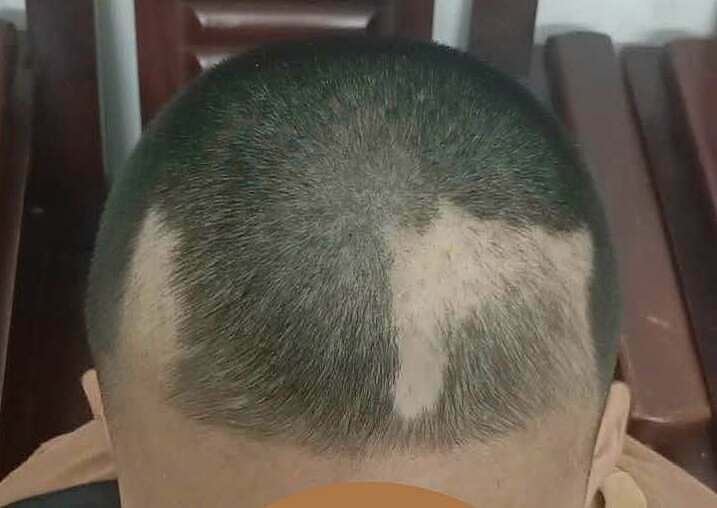
Master of psychology Hoang Quoc Lan of Phuong Dong General Hospital explains that pressure from work, finances, or family conflicts causes the brain to continuously release hormones like cortisol and adrenaline. If not relieved promptly, this "fight or flight" response accumulates, leading to serious physical and mental harm.
Physically, the body works harder to avoid or combat negative stressors. This process can result in symptoms of exhaustion such as muscle pain, migraine headaches, shortness of breath, digestive issues, and insomnia.
Mentally, stress affects mood and emotions, causing anxiety, irritation, and anger. One may also experience anxiety and emotional imbalance even after the stressful period has passed. Research indicates that couples under chronic stress often argue and feel dissatisfied with their partners. Individuals experiencing prolonged stress may feel isolated, withdraw, and refuse to participate in social events and family gatherings.
When under stress, the brain has minimal energy for other important activities like thinking, planning, and focusing. Stress can lead to "brain fog", memory impairment, and a reduced ability to solve problems.
Master of psychology Hoang Quoc Lan offers several quick stress-relief tips:
- Exhale longer than you inhale: Inhale for 4 seconds, then exhale for 6-8 seconds, repeating for 6-10 cycles. This quickly resets the nervous system.
- Relax your jaw, tongue, and shoulders: Gently open your mouth, let your tongue drop, and lower your shoulders, holding for about 30-60 seconds.
- Press your feet into the ground: Shift your weight onto both feet, hold for 10-15 seconds, then release. Repeat three times.
- Place your hand on your chest and breathe: Place a hand on your chest or abdomen and take five to six slow breaths.
Other methods to reset a stressed nervous system include:
- Lean against a wall and push as hard as you can: Push for 10 seconds, then relax. This tricks the sympathetic nervous system, effectively releasing trapped stress energy from the body.
- Say "Vooooo" continuously for 30 seconds: This low "Vooooo" sound vibrates the vagus nerve from the abdominal area, akin to an internal massage for your nervous system.
- Inhale 4 - hold 4 - exhale 4: Visualize tracing the sides of a square with your breath. This visualization helps the brain truly focus, rather than just going through the motions.
- Touch something cold, then something warm: Repeat three times. The principle here is that the nervous system does not differentiate between real threats and daily stress; the change in temperature helps to alert and return the body to a normal state.
- Contract your body, then expand it: Curl up into a ball for 10 seconds, then stretch your arms out as wide as possible. This helps the nervous system switch between activated and calm states, acting like an on-off exercise.
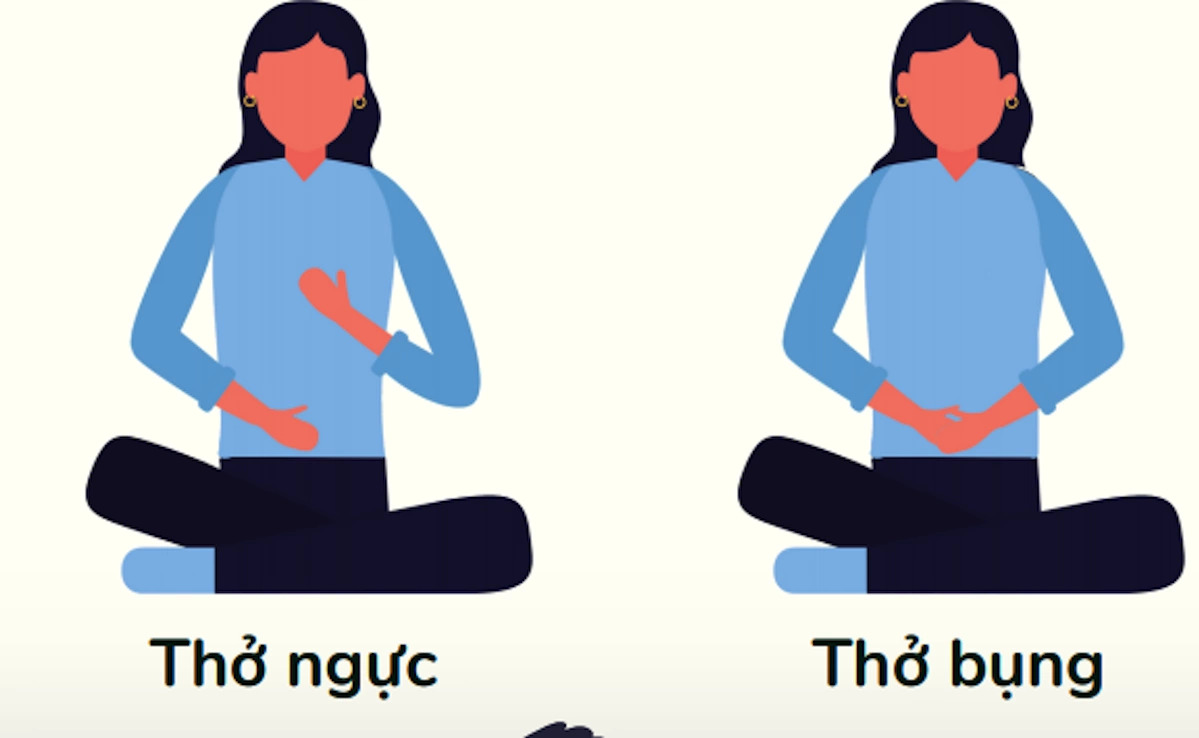 |
Breathing techniques, inhaling and exhaling, effectively reduce stress. Illustration: Doctor provided |
Stress is the body's natural response to life's pressures and is not always harmful. It is important for everyone to recognize early signs of stress and proactively apply appropriate measures to regulate emotions and restore balance.
In addition to immediate stress-relief techniques, maintaining a healthy lifestyle, getting enough sleep, exercising regularly, and building supportive relationships will enhance resilience to pressure. If stress persists for several weeks, affecting work or daily life, or is accompanied by symptoms such as insomnia, excessive anxiety, or persistent sadness, individuals should seek assessment and timely support from a psychologist or doctor.
Thuy Quynh