Ms. Lan's family had owned a cat for 8 years, treating the pet as a family member. Recently, Ms. Lan began feeling fatigued, experiencing frequent bloating, abdominal discomfort, and intermittent skin itching with no clear cause. Attributing these to work stress, digestive issues, or weather allergies, she adjusted her diet and took symptomatic medication.
Her husband and daughter later developed similar symptoms. The three sought examination at the Dermatology Department of Tam Anh General Hospital Hanoi. Doctors suspected the symptoms were due to close contact with their pet, especially their habit of allowing the cat to sleep on the same bed, and referred them to the General Internal Medicine Department for infectious disease assessment.
Test results confirmed that all three family members were infected with dog and cat related parasites, specifically identifying an infection of dog and cat roundworm larvae (Toxocara) through elevated eosinophil counts and helminth tests.
Doctor Le Xuan Luat stated that owning pets indoors does not guarantee illness, but prolonged close contact, especially without regular deworming or proper hygiene for pets, can increase the risk of exposure to certain pathogens.
 |
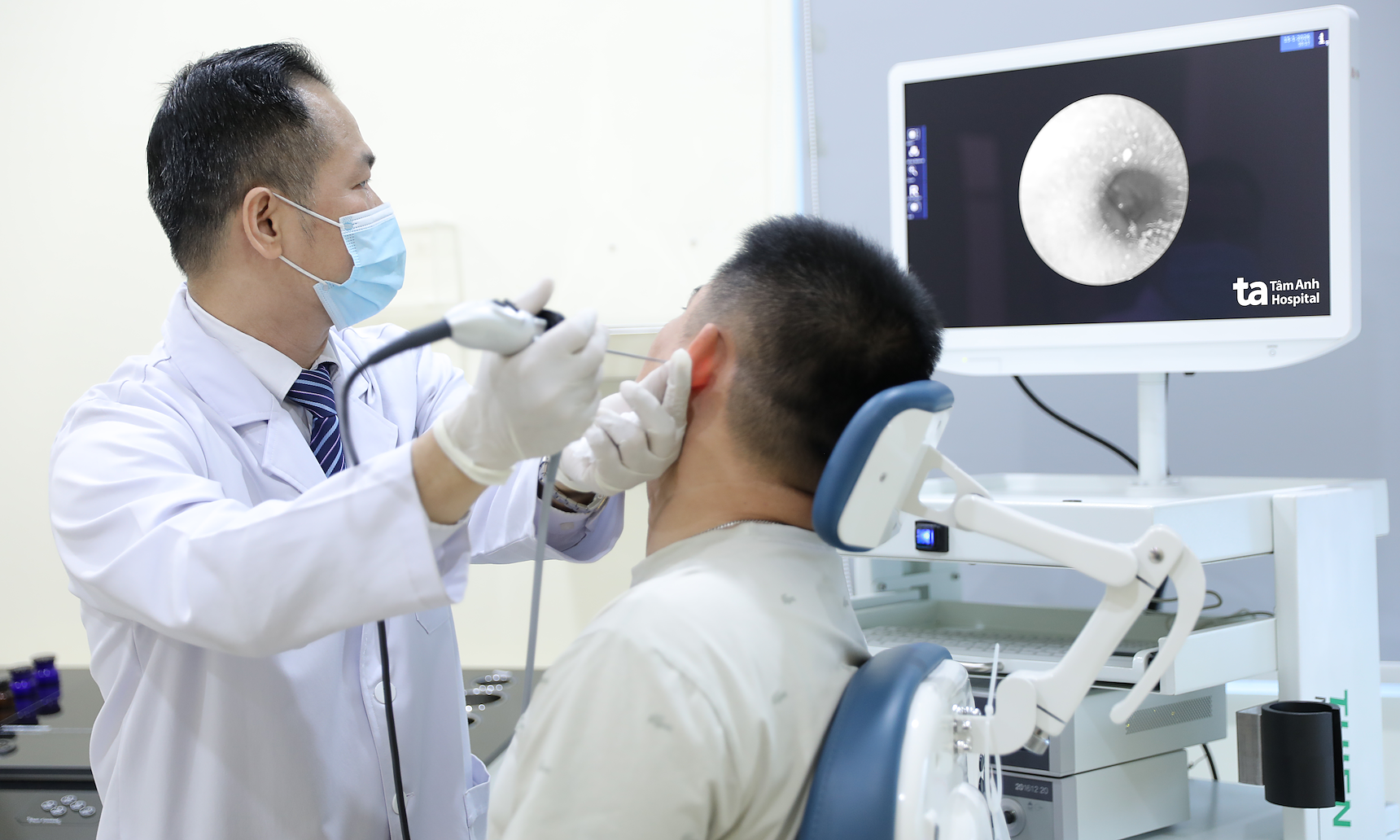
Doctor Luat examines Ms. Lan. Photo: Tam Anh General Hospital |
According to Doctor Luat, Toxocara is a type of parasite that can be transmitted from animals to humans. Infected dogs and cats can shed parasite eggs into the environment through their feces. These eggs can survive in soil, dust, on object surfaces, or cling to pet fur and claws.
Humans can become infected by accidentally ingesting parasite eggs after contact with contaminated sources, such as not washing hands after playing with dogs or cats, cleaning up pet waste, or allowing pets to come into contact with blankets, pillows, or shared living areas. Individuals infected with Toxocara may show no obvious symptoms or only experience non-specific symptoms like fatigue, abdominal pain, digestive disorders, itching, or hives. In some cases, the larvae can migrate to organs such as the liver, lungs, or eyes, causing damage that requires treatment.
Ms. Lan's family received medication and their condition stabilized after three months. She continues to keep her cat, following the doctor's instructions for regular deworming, frequent cleaning of blankets and pillows, and no longer allowing the cat to sleep on the bed.
Doctor Luat noted that besides parasites, dogs and cats can transmit other diseases to humans, such as skin fungus, cat scratch disease caused by Bartonella bacteria, or rabies if bitten or scratched by a virus-infected animal. Children require particular attention because they often play with pets, come into contact with the ground and toys, and have a habit of putting their hands in their mouths. The elderly, individuals with underlying health conditions, or those with weakened immune systems are also at risk of complications if infected.
To reduce the risk of illness, pet owners should take their dogs and cats for regular check-ups, vaccinations, and deworming as advised by a veterinarian. It is important to clean living areas, especially where pets frequently rest, and to wash hands after contact with pets or their waste. Owners should also limit pets from licking faces, mouths, or open wounds.
Individuals experiencing persistent symptoms such as unexplained abdominal pain, skin itching, hives, prolonged fatigue, or a history of frequent contact with dogs and cats should seek medical evaluation and testing if necessary.
Thanh Ba