Dr. Vu Ngoc Bao Quynh, a first-degree specialist in the Spine Surgery Department at Tam Anh General Hospital in Ho Chi Minh City, explains that neck and shoulder pain frequently recurs due to a continuous cycle of muscle tension. This is exacerbated by incorrect daily habits that weaken spinal support structures and unaddressed nerve compression.
When neck, shoulder, and nape muscles are excessively or prolonged stretched or contracted, the muscle fibers do not relax, leading to the formation of trigger points. If not treated thoroughly, these points are easily reactivated, causing pain to recur with even a slight movement. Persistent muscle stiffness can reduce local circulation, making muscles prone to fatigue, pain, and slow recovery. Over time, muscles and soft tissues around the cervical spine may lose elasticity, increasing the risk of chronic and recurrent pain.
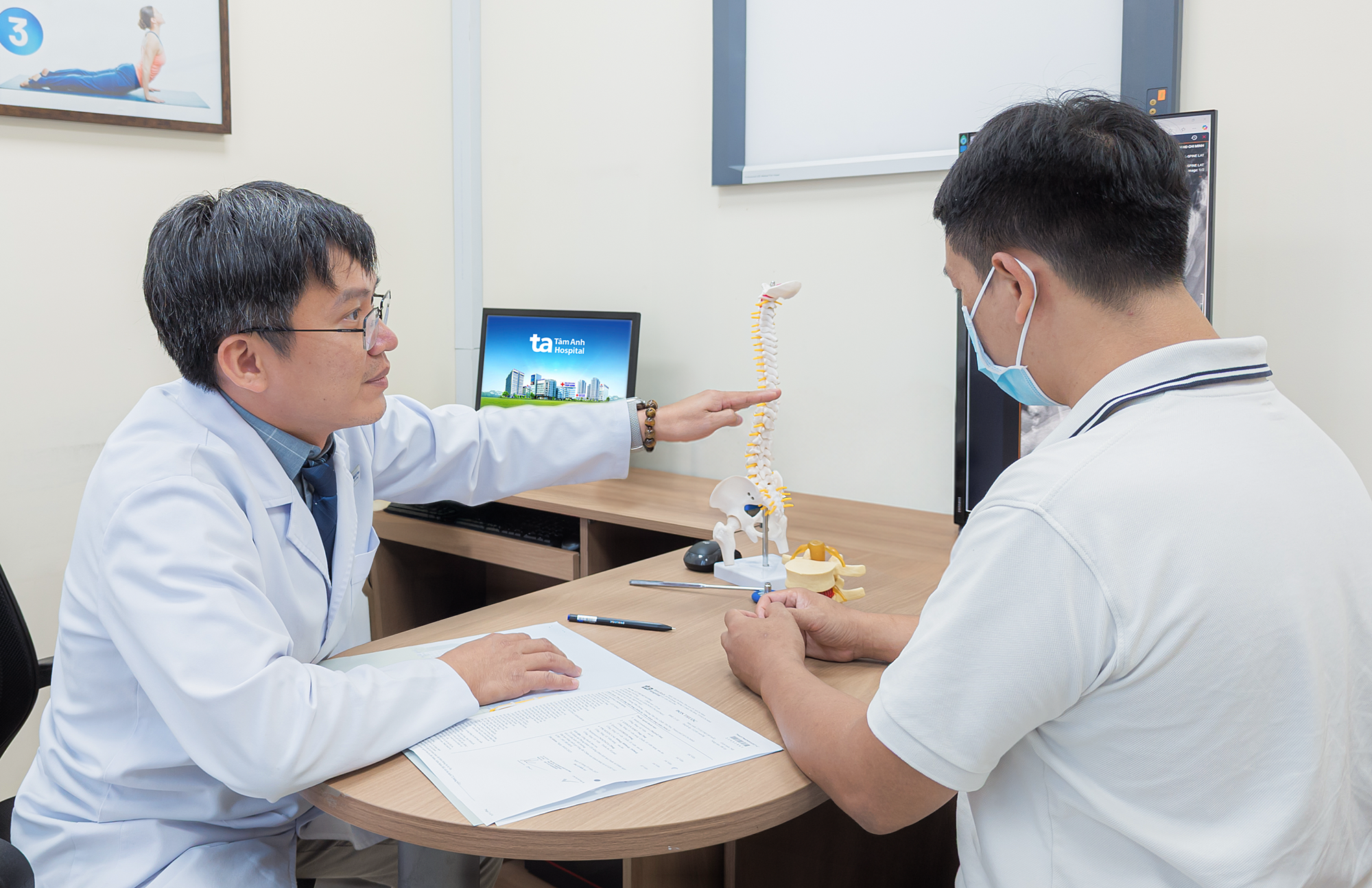 |
Dr. Quynh explains spinal structure to a patient. Photo: Tam Anh General Hospital |
According to Dr. Quynh, unsuitable daily postures are a common cause of neck and shoulder pain, and if these habits are not improved, the pain is likely to recur. Common habits that cause this pain include excessive neck flexion when using a phone, leaning too close to a computer screen, or frequently cradling a phone between the ear and shoulder. These actions overload the cervical spine, leading to muscle stiffness. Prolonged neck rotation or flexion, or using pillows that are too high or too low during sleep, can increase pressure on the cervical spine's muscles and joints. A sedentary lifestyle and maintaining one posture for extended periods, such as sitting at an office desk, can weaken neck and shoulder muscles, making them less flexible and more susceptible to aches.
Recurrent neck and shoulder pain may signal structural damage to the spine from underlying conditions such as cervical spondylosis or herniated discs. These conditions narrow the intervertebral foramina, directly compressing nerve roots and causing pain to recur continually.
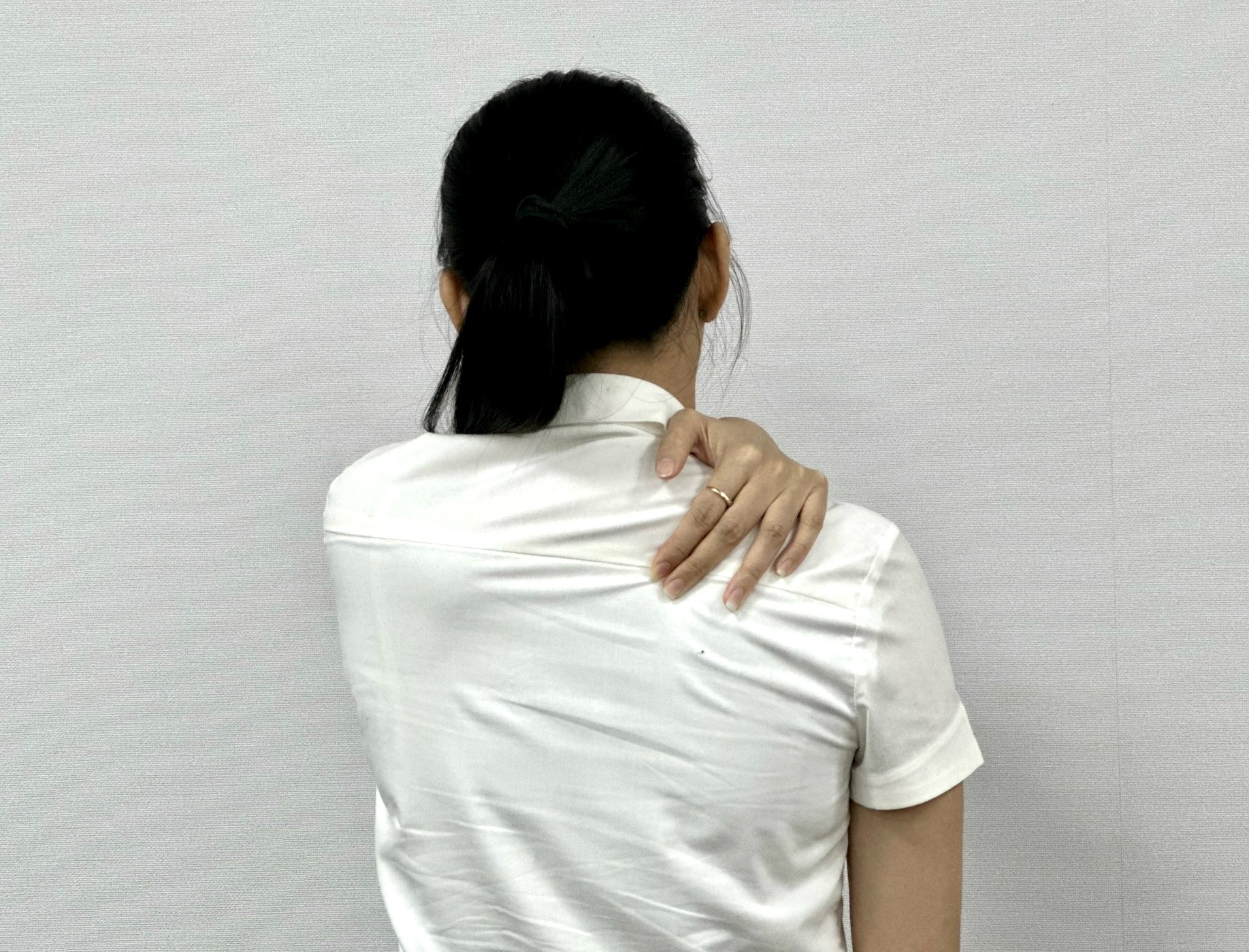 |
Frequent neck and shoulder pain may be due to daily habits or underlying medical conditions. Photo: Phi Hong |
Patients can prevent recurrent neck and shoulder pain by maintaining correct posture while walking, standing, sitting, lying down, and using computers or phones. Avoiding activities that involve repetitive movements of the neck and shoulders, carrying heavy loads, or wearing unbalanced shoulder bags can strain tendons and muscles.
Maintaining a regular exercise routine also helps relax the neck, shoulders, and back, effectively preventing recurrence. However, exercise should be performed at a moderate intensity and with proper technique, avoiding excessive stretching of muscles, tendons, and ligaments. Patients should try to stand up and walk around, performing gentle neck rotations and shoulder stretches every 45-60 minutes of work. During seasonal changes or when sitting in a low-temperature air-conditioned room, a thin scarf should be worn to keep the neck and nape warm.
Patients should schedule regular health check-ups, especially when neck and shoulder pain recurs frequently. Most cases of neck and shoulder pain can improve with timely and proper treatment. If the condition progresses, particularly if caused by a cervical spinal disease, patients may experience numbness or weakness in the limbs, reduced mobility, loss of balance, or even permanent disability, significantly impacting their quality of life.
Phi Hong