On 1/9, Associate Professor Doctor Nguyen Bach, Head of the Nephrology and Dialysis Department at Thong Nhat Hospital, reported that the patient developed stage 2 acute kidney failure. He underwent detoxification with ethanol and emergency dialysis for 4 hours. Following treatment, his kidney function partially recovered, and he was discharged after two days.
A week prior, the department admitted another man, 55 years old, who had consumed homemade herbal wine. He had previously drunk this type of wine and experienced severe dizziness. Three days later, he drank it again, subsequently suffering from fatigue, difficulty breathing, blurred vision, double vision, and light sensitivity when looking at bright lights. Tests confirmed methanol poisoning, acute kidney failure, and severe metabolic acidosis, necessitating an antidote and emergency dialysis.
According to Associate Professor Bach, methanol is a highly toxic chemical. After entering the body, it metabolizes into toxic substances that can cause severe metabolic acidosis, optic nerve damage, kidney failure, and cardiovascular effects. Methanol tests take several hours for results, so doctors must initiate treatment immediately upon suspicion, without waiting for confirmation. Dialysis helps remove methanol and its toxic metabolites from the body.
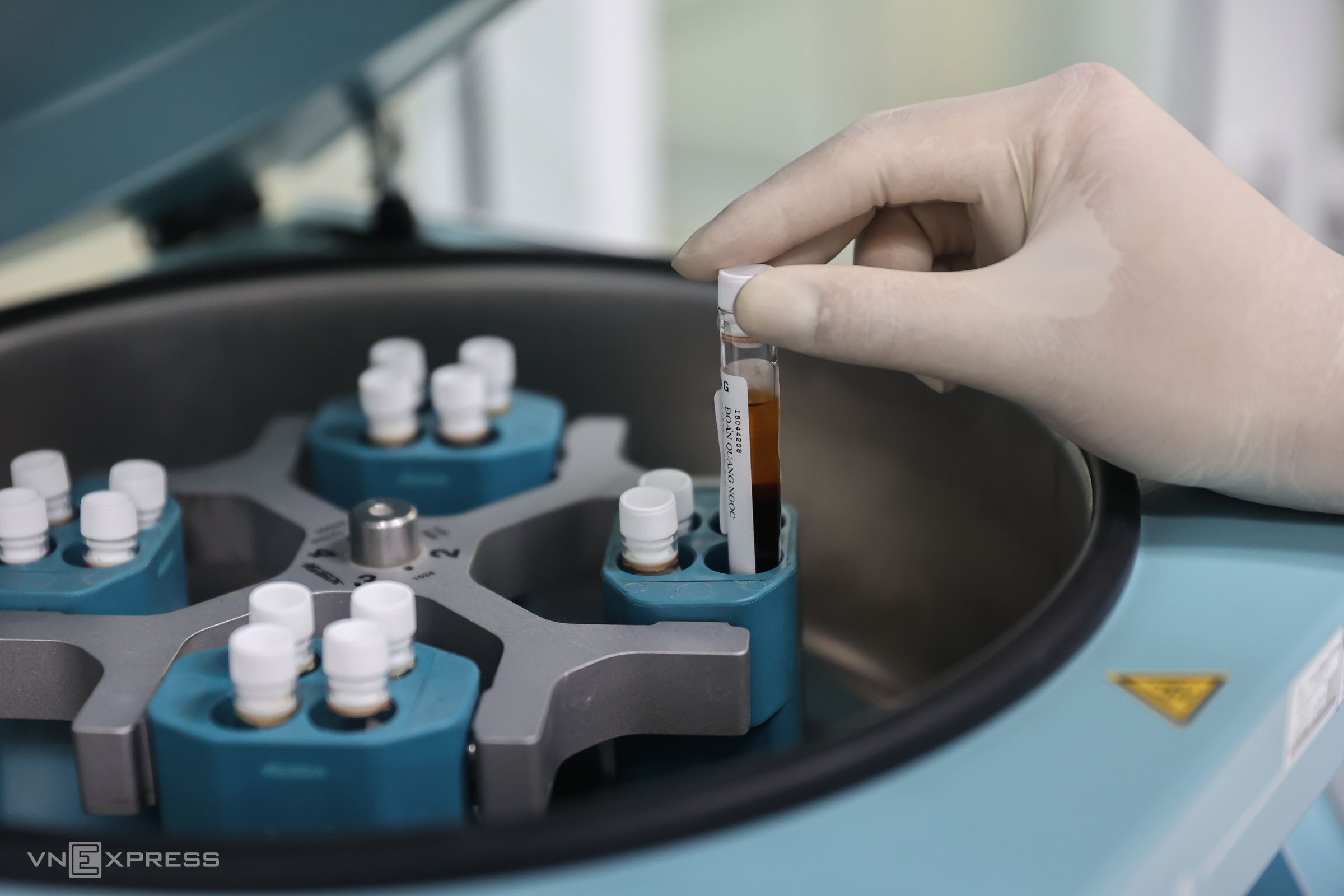 |
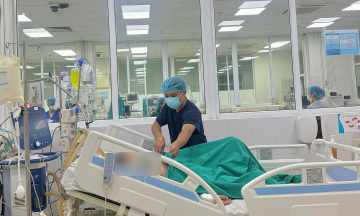
Patient undergoing tests. Photo: Quynh Tran
Annually, the healthcare sector records many cases of methanol poisoning and fatalities from alcohol. Regular drinking alcohol contains ethanol, which the body absorbs and metabolizes. In contrast, methanol is an industrial chemical, highly toxic to humans. Some establishments may mix methanol into alcohol to reduce costs and increase profits, leading to poisoning in consumers.
Associate Professor Bach noted that in recent years, patients have shown a tendency to seek medical attention earlier when abnormal symptoms appear after drinking alcohol. This trend leads to better chances of treatment and recovery. However, severe methanol poisoning or late hospital admission can still result in irreversible optic nerve damage, even permanent blindness.
Doctors advise the public to consume alcohol from clear sources and avoid alcohol of unknown origin. After drinking alcohol, if symptoms such as headache, vomiting, severe fatigue, difficulty breathing, especially blurred vision or decreased vision occur, individuals should seek medical attention immediately and not assume it is merely drunkenness.
Le Phuong