Liver cancer is a malignant disease with a high incidence and mortality rate in Vietnam. Doctor Do Hoang Kha, Specialist Level II, from the Department of Internal Oncology, Oncology Center, Tam Anh General Hospital, Ho Chi Minh City, states that immunotherapy represents a breakthrough in the treatment of hepatocellular carcinoma.
Unlike traditional chemotherapy methods that directly target tumors, immunotherapy, specifically immune checkpoint inhibitors, works by stimulating the body's natural defense system.
Once administered, these drugs help restore and enhance the immune system's ability to identify cancer cells. This enables a network of protective cells, including lymphocytes, macrophages, natural killer cells, and cytotoxic T lymphocytes, to coordinate effectively, attacking and eliminating malignant cells.
 |
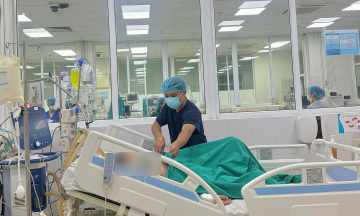
A negative-pressure chemotherapy preparation system reduces the risk of infection. Photo: Tam Anh General Hospital |
Immunotherapy for liver cancer is typically used in advanced or metastatic cases to slow disease progression and extend patient survival. Specifically, doctors prescribe immunotherapy for liver tumors that are excessively large, have invaded major blood vessels within the liver, or for patients whose health prevents surgery.
Patients whose cancer cells have metastasized beyond the liver (such as to the lungs, bones, or lymph nodes), those with multifocal liver cancer, or those who no longer respond to or are resistant to transarterial chemoembolization (TACE) may also receive immunotherapy.
To boost treatment effectiveness, doctors may combine immunotherapy with other methods to create a synergistic effect. For example, it can be combined with anti-angiogenic drugs to prevent the formation of new blood vessels that nourish tumors, or with radiation therapy.
According to Doctor Kha, immunotherapy requires careful consideration based on a patient's overall health and pathology results. This therapy is not suitable for liver cancer patients with severe liver failure or decompensated cirrhosis, as it increases the risk of acute liver failure, which can be life-threatening.
This cancer treatment can cause autoimmune-related side effects such as pneumonitis or thyroiditis. Therefore, throughout the treatment process, patients must adhere to their follow-up appointments and undergo regular blood tests. This allows doctors to monitor their condition closely and ensure patient safety.
Khai Minh
| Readers can submit questions about cancer here for doctors to answer |