Associate Professor, Doctor Nguyen Lan Hieu, Director of Hanoi Medical University Hospital, explains that gastric acid reflux irritates the esophageal lining, leading to contractions. As the esophagus is situated directly behind the breastbone, in close proximity to the heart, patients often experience anxiety, fearing a heart attack.
Identifying signs
Reflux pain usually occurs in the central chest, behind the breastbone, potentially extending to the throat or upper back. Patients report burning, heaviness, gnawing sensations, or a feeling of obstruction. Common accompanying symptoms include burping, acid regurgitation, heartburn, a bitter taste, nocturnal dry cough, and morning hoarseness.
This condition often arises after overeating, consuming fatty, spicy, or acidic foods, drinking coffee, or alcohol. It can also be triggered by bending over or lying down immediately after meals. Discomfort typically lessens when sitting upright, sipping water, or performing gentle movements.
Reflux symptoms can intensify with habits like late-night eating, inactivity, abdominal obesity, tight clothing, smoking, chronic stress, or the unsupervised use of anti-inflammatory pain relievers.
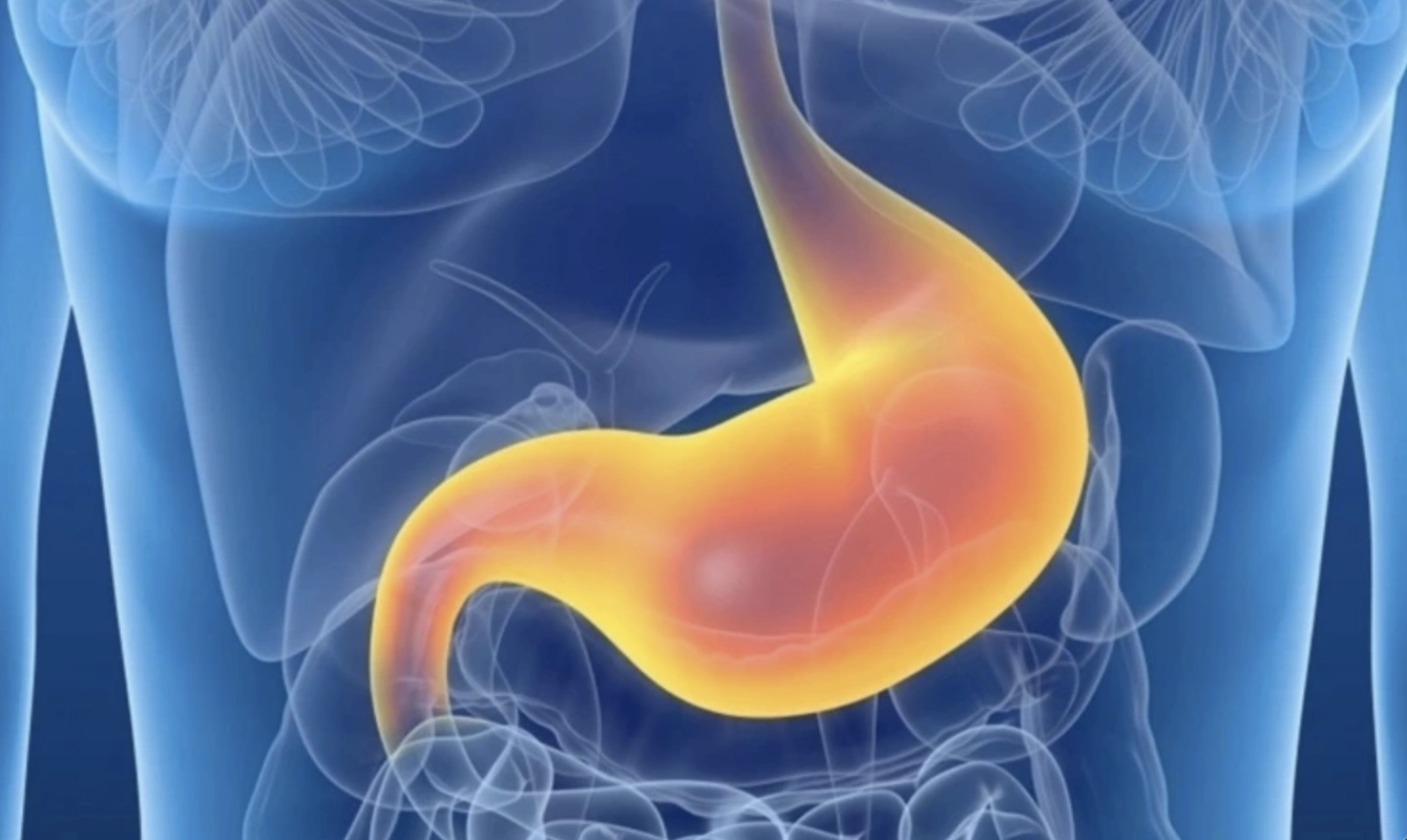 |
Illustration of a stomach with ulcers. *Photo: Adobe*
Management and treatment: Patients should prioritize lifestyle adjustments before using medication.
Posture and habits: Avoid lying down within two to three hours post-meal. When sleeping, elevate the head of the bed 15–20 cm, or use a back-support pillow if cervical spine issues are present.
Diet: Eat smaller, more frequent meals and chew food thoroughly. Limit fried foods, carbonated beverages, coffee, chocolate, and mint. Managing weight and reducing abdominal fat can decrease pressure on the stomach.
Various medications treat reflux, including fast-acting antacids, histamine H2 receptor antagonists to reduce acid secretion, and proton pump inhibitors (PPIs) to significantly decrease gastric acid. However, patients must consult their doctor and follow the prescribed regimen to prevent side effects.
Patients must seek immediate medical attention for severe pain, a crushing chest sensation, or pain radiating to an arm or jaw, especially with shortness of breath, sweating, low blood pressure, or a rapid heartbeat. Individuals with a history of cardiovascular disease, hypertension, diabetes, stent placement, or coronary artery bypass surgery should not overlook these symptoms, as they may indicate an acute myocardial infarction.
Thuy An