After the age of 40, the body begins to undergo various changes in metabolism, muscle strength, sleep, and hormones. While some manifestations might be part of the natural aging process, if they persist or worsen, it is advisable to investigate the underlying causes rather than simply attributing them to age.
One common change is an increased waistline, even if body weight remains stable. From age 40, the body tends to accumulate more fat, particularly around the abdomen. In women, hormonal shifts during perimenopause and menopause can lead to greater fat distribution in the abdominal area. Visceral fat is linked to an elevated risk of metabolic disorders and cardiovascular disease.
Another noticeable change is decreased muscle strength. Experiencing difficulty carrying groceries, climbing stairs, or rising from the floor as easily as before can indicate a decline in muscle strength. Muscle mass and power naturally diminish with age. However, consistent physical activity, especially strength training, can help slow this process. The goal of these exercises is not necessarily to build significant muscle but to maintain the ability to perform daily activities with ease.
Elevated blood pressure, even when feeling healthy, is a concern. According to Verywell Health, the risk of developing "silent" chronic conditions like hypertension, high cholesterol, and diabetes increases from age 40. Hypertension often presents no obvious symptoms, meaning an individual can feel perfectly normal despite having elevated blood pressure readings.
Times of India emphasizes that repeated measurements showing slightly increased readings are a warning sign that should not be overlooked. Therefore, regular health check-ups are crucial for detecting abnormalities before symptoms manifest.
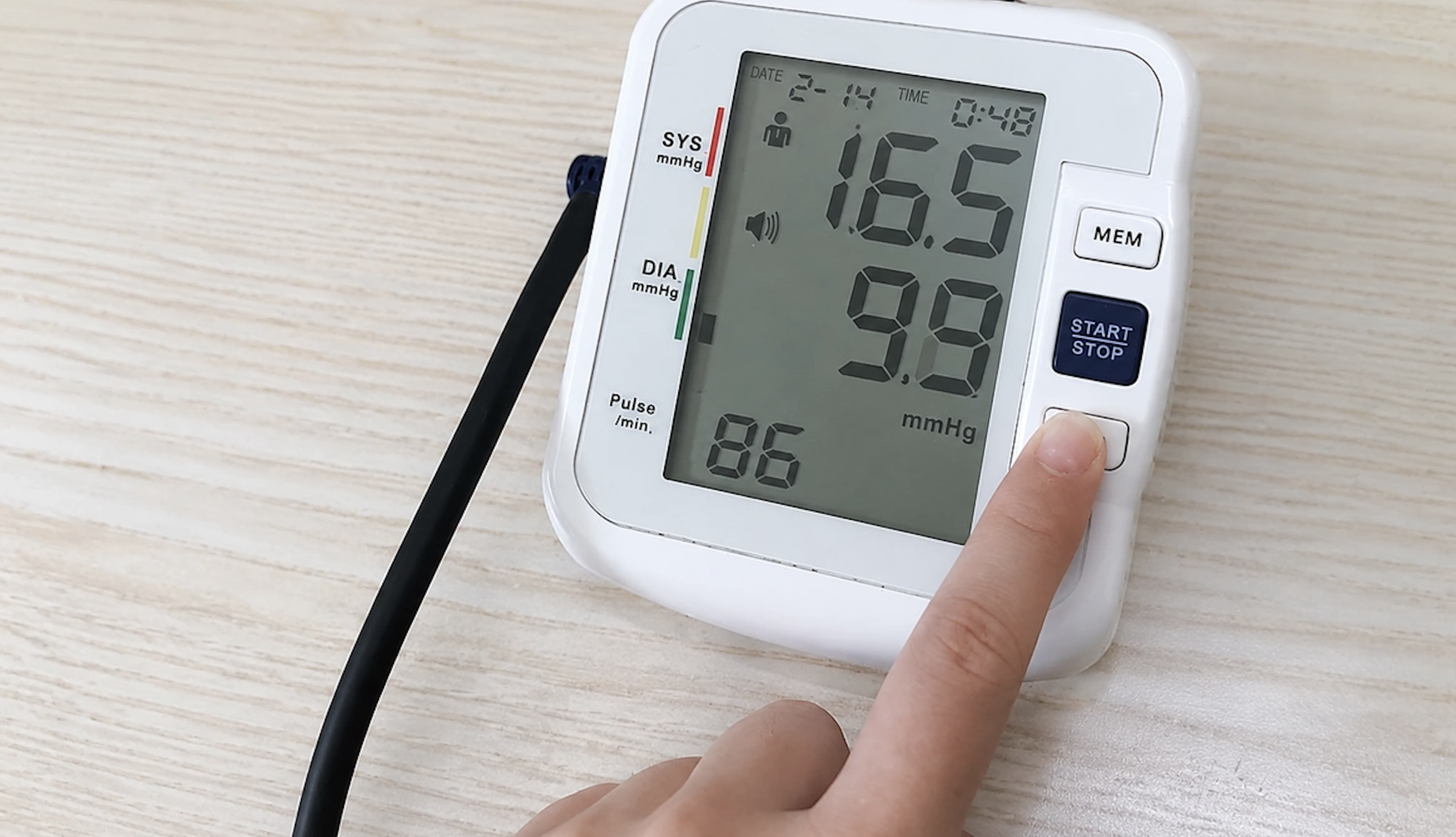 |
Regular blood pressure checks help detect hypertension, even when the body feels healthy and without clear symptoms. Illustration: Bao Bao
Persistent fatigue, despite adequate rest, warrants attention. While a busy week can understandably lead to tiredness, unexplained exhaustion that lasts for months or does not improve after rest requires investigation. Anemia, thyroid conditions, nutrient deficiencies, diabetes, sleep disorders, and chronic stress can all contribute to prolonged fatigue. Instead of pushing through with more work or exercise, it is wise to consider a health evaluation.
If sleep no longer feels restorative, it should not be dismissed as merely a consequence of age or work pressure. Frequent difficulty falling asleep, waking multiple times during the night, or daytime tiredness can signal underlying issues. Stress, hormonal changes, sleep apnea, and certain health problems can diminish sleep quality. The risk of sleep apnea increases with age, so individuals with suspected symptoms should seek medical consultation for appropriate diagnosis and treatment.
Recurrent pain or restricted movement demands attention. While back stiffness after a long day might not be concerning, persistent, recurring pain that limits movement should be addressed. Decreased muscle strength, old injuries, poor posture, and joint degeneration can contribute to pain as one ages. Ignoring chronic pain can lead to increased physical activity limitations over time.
Persistent forgetfulness and difficulty concentrating, often referred to as "brain fog," can manifest as trouble focusing, forgetfulness, difficulty retaining information, or a lack of mental clarity. Occasionally forgetting a name or a task can happen at any age, but if these symptoms are prolonged and progressively worsen, they should not be attributed solely to aging. Sleep deprivation, stress, hormonal changes, nutritional deficiencies, and certain medical conditions can all impact concentration and memory.
Turning 40 does not automatically mean health will decline. However, this period is when individuals should proactively monitor their health, maintain a healthy lifestyle, and undergo regular check-ups. Verywell Health recommends discussing personal risk factors, body mass index (BMI), chronic disease screenings, cancer screening needs, sleep patterns, and other relevant health concerns with a doctor.
Bao Bao (Compiled)