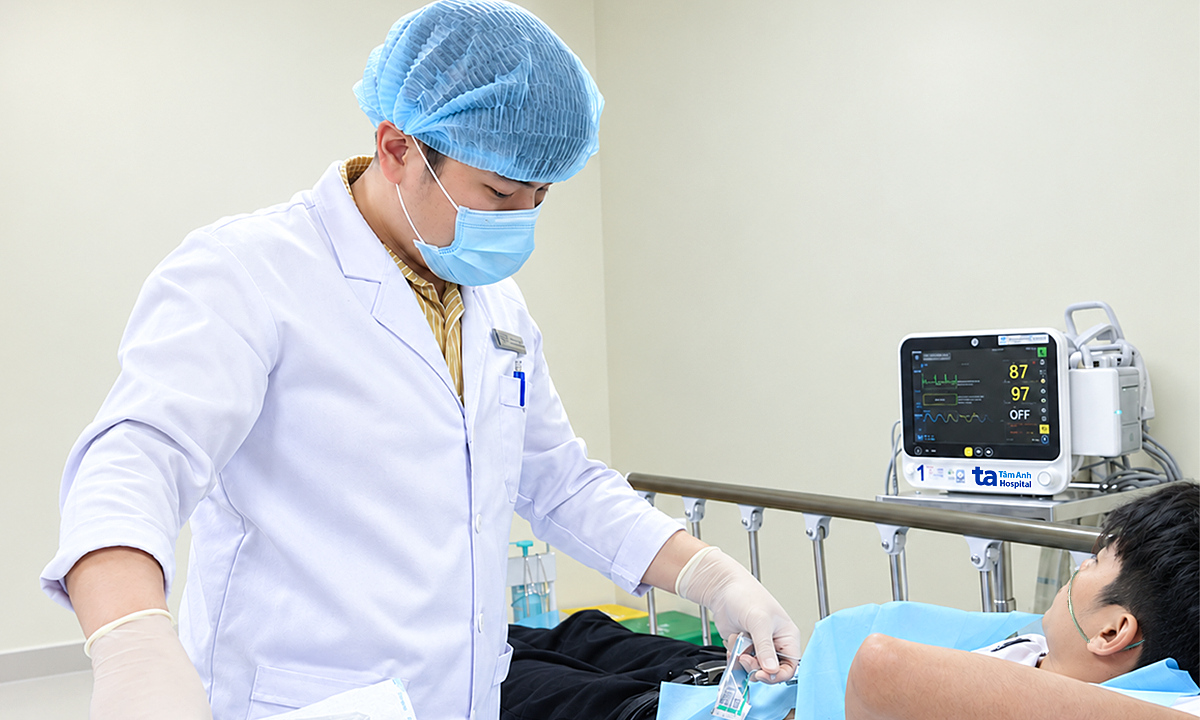
Minh discovered uterine fibroids a decade ago but did not undergo regular check-ups. Recently, an abdominal ultrasound at Tam Anh General Hospital in Ho Chi Minh City revealed numerous abnormal masses. These fibroids occupied most of her abdominal cavity, with the largest weighing nearly 2,5 kg. In total, 25 fibroids, some showing calcification, had severely deformed her uterus, compressing her urinary tract and leading to grade two right kidney hydronephrosis.
A medical consultation determined the fibroids' number and size, along with the severely deformed uterus, increased the risk of bleeding and made preserving uterine muscle tissue challenging. The team considered a hysterectomy for complete resolution. However, Minh, who had not yet had children, expressed a strong desire to preserve her uterus.
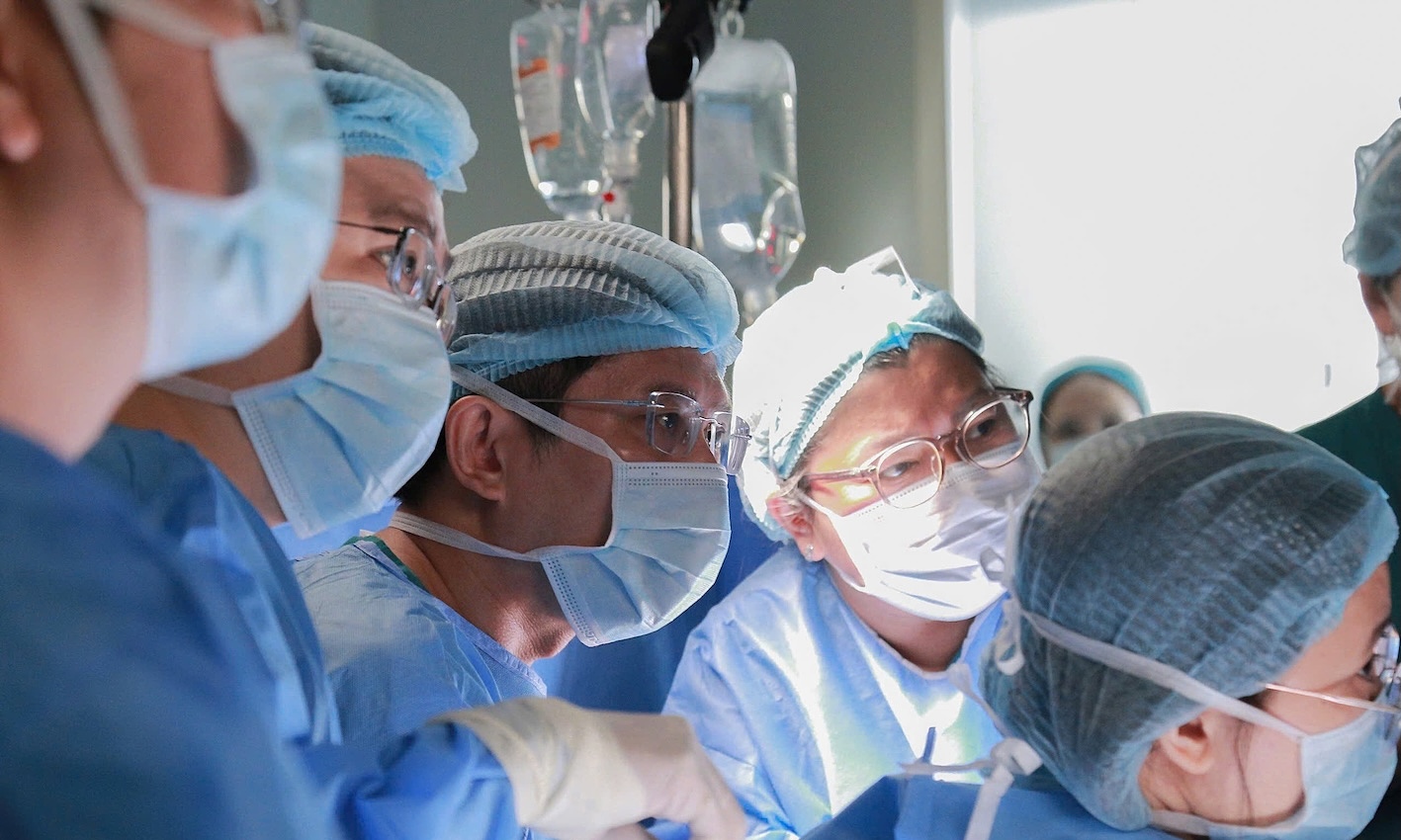
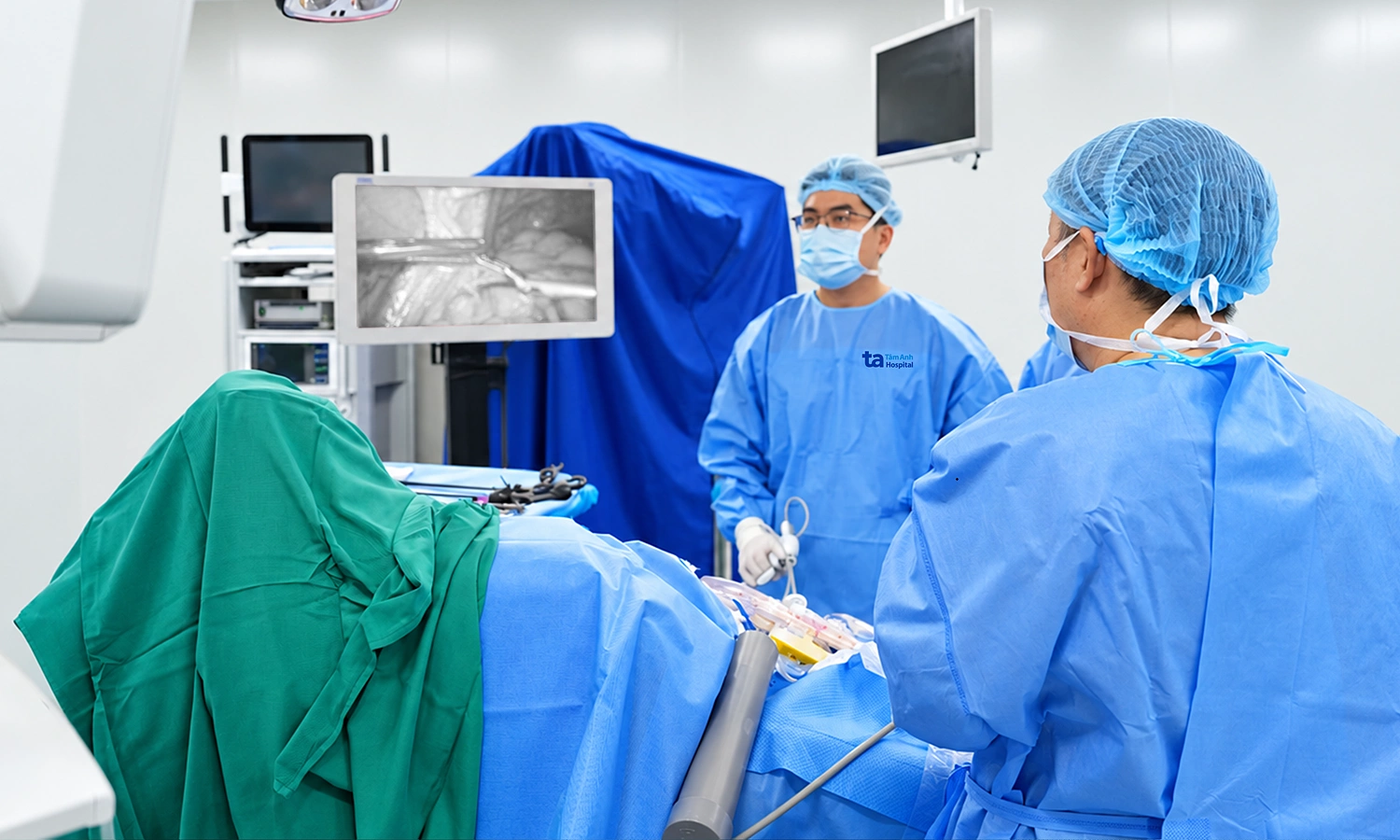
Dr. Nguyen Ba My Nhi, Level II Specialist and Director of the Obstetrics and Gynecology Center, opted for open surgery to access the entire uterus and manage the fibroids. The surgical team first removed the largest fibroid, measuring approximately 30x25x25 cm. Subsequently, they systematically located and removed the remaining 24 fibroids, some deeply embedded within the muscle layer.
 |
Dr. My Nhi (second from right) and the surgical team removed 25 fibroids, preserving the patient's uterus. *Photo: Tam Anh General Hospital*
Each fibroid removal site left a defect in the uterine muscle. The surgeon meticulously controlled bleeding, preserved healthy tissue, and sutured each area. This process aimed to restore the uterine wall's shape and firmness.
The procedure lasted nearly 4 hours, resulting in the removal of 25 fibroids with a total weight of almost 4,5 kg. The largest alone weighed nearly 2,5 kg. Minh lost approximately 600 ml of blood during the operation but did not require a transfusion, only iron supplements. Her kidney hydronephrosis will be continuously monitored. She will attend regular follow-up appointments to assess her urinary tract recovery and kidney function.
Dr. My Nhi advised Minh that if she plans to have children, she should undergo a specialist examination. This assessment would evaluate scar healing, uterine structure, and fertility before pregnancy. Any future pregnancy would also require close monitoring and an appropriate delivery method.
Uterine fibroids are benign tumors forming in the uterine muscle, common in women of reproductive age. Many cases have no clear symptoms and are discovered incidentally during gynecological exams or ultrasounds. Large or multiple fibroids can significantly increase uterine size, causing symptoms such as prolonged or heavy menstrual bleeding, abdominal pain or heaviness, anemia, difficulty urinating, and constipation.
Dr. My Nhi emphasized that women diagnosed with uterine fibroids should adhere to scheduled follow-up appointments for close monitoring. Treatment depends on age, symptoms, fibroid size, location, growth rate, overall health, and the patient's desire to have children.
Tue Diem
*The patient's name has been changed.
| Readers can send questions about obstetrics and gynecology here for doctors to answer |