After the age of 40, the natural aging process causes the eyes' ability to adjust focus to gradually decline, leading to strain during work or blurred vision when shifting focus from near to far. Master, Doctor Phung Van Thanh, from the High-Tech Eye Center at Tam Anh General Hospital in Hanoi, highlights habits that individuals in this age group should change to protect their vision, reduce the risk of eye diseases, and enable early detection of damage that could impair sight.
Continuous screen use without eye breaks
Beyond 40, the eyes' accommodative power diminishes, making continuous use of phone and computer screens prone to eye strain, blurred vision, and difficulty focusing. Habits like infrequent blinking, holding phones too close, or prolonged work in air-conditioned rooms can further exacerbate dry eye discomfort.
To alleviate these symptoms, take regular eye breaks, blink frequently, maintain an appropriate distance from phones and computers, and avoid direct exposure to air conditioning drafts. Individuals experiencing persistent dry eyes, strain, or blurred vision should consult an eye specialist for proper assessment and guidance on suitable care.
 |
Looking at a phone screen too closely for extended periods can cause dry eyes. *Photo: Duy Anh* |
Assuming all vision problems after 40 are presbyopia
Many people over 40 experience blurry near vision and attribute it to presbyopia. While presbyopia is a natural physiological change with age, Doctor Thanh advises against complacency regarding unusual symptoms or assuming all vision problems are solely due to aging.
An eye examination helps distinguish presbyopia from other conditions, leading to appropriate adjustments or treatment. If you suddenly notice numerous black spots or streaks resembling "floaters", flashes of light, or a sensation of a dark curtain covering part of your vision, seek immediate eye care to rule out retinal damage.
Self-purchasing reading glasses
Between the ages of 40 and 50, when near vision becomes challenging, many individuals purchase reading glasses from optical stores without a professional eye exam. However, each eye may have a different refractive error, or individuals might also have myopia or astigmatism, meaning pre-made glasses may not adequately meet their specific vision needs.
Using inappropriate glasses can result in continued blurry vision, eye strain during reading or work, and may overlook underlying abnormalities. Individuals over 40 should undergo an eye exam and refraction test to determine their vision status and select suitable eyewear.
Skipping regular eye exams
Many people only seek eye care when their vision has noticeably declined. However, after the age of 40, conditions such as glaucoma (increased eye pressure), cataracts, macular degeneration, and diabetic retinopathy can develop. Some of these diseases progress silently, causing eye damage in their early stages without presenting noticeable symptoms.
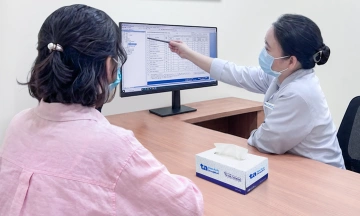
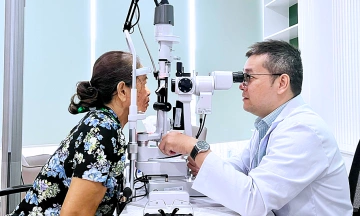
Therefore, clear vision does not always equate to healthy eyes. Regular examinations help assess vision, eye pressure, the lens, and retina, allowing for early detection of abnormalities. Individuals over 40, especially those with diabetes, high blood pressure, or a family history of eye conditions, should follow their doctor's recommended examination schedule.
Indiscriminate use of eye drops
After 40, dry eyes are common, particularly among those who frequently use computers, sit in air-conditioned rooms, or wear contact lenses. When experiencing dry, red, or tired eyes, many people self-medicate with eye drops without investigating the underlying cause, even though these symptoms can stem from various issues.
Some eye drops containing corticosteroids, if used incorrectly or for extended periods, can lead to increased eye pressure, optic nerve damage, and cataracts. Patients should not self-medicate; if symptoms persist or recur, it is essential to consult an eye specialist to determine the cause and receive appropriate treatment.
Relying solely on vitamins and eye supplements for eye care
Many individuals over 40 opt for vitamin-rich foods or eye supplements with the aim of maintaining vision and preventing aging. However, a balanced diet only supports eye health; it cannot replace regular eye exams and the treatment of specific conditions. Supplements also do not guarantee the prevention or cure of myopia, cataracts, or glaucoma.
Instead of self-administering vitamins and supplements, Doctor Thanh advises everyone to maintain a healthy diet, adopt a scientific lifestyle, and undergo regular eye examinations for early detection of abnormalities. Any nutrient supplementation should be based on actual needs and a doctor's consultation.
Minh Duong
| Readers can submit questions about ophthalmological diseases here for a doctor's answers. |