


The pain typically occurred when Trung was hungry or immediately after eating. During an examination, Dr. Hap Tien Loc, a pediatrician at Tam Anh General Clinic, District 7, noted the boy felt pain and discomfort when pressure was applied to his upper abdomen. Dr. Loc explained that stomach pain in 10-year-olds is often dull rather than severe, making it easy to mistake for common digestive disorders. The condition can progress from mild inflammation to deep ulcers, leading to complications like anemia and weight loss.
Lab results revealed a low red blood cell count, indicating an inflammatory site in the stomach causing bleeding and subsequent anemia. Doctors diagnosed Trung with a stomach ulcer and prescribed acid-reducing injections to promote healing, stop bleeding, and alleviate pain.
Following the injections, Trung received oral medication to maintain stable stomach pH, allowing the lining to heal naturally. Doctors advised a diet of soft, easily digestible foods, including green vegetables and starches, to help absorb gastric acid. Patients should avoid acidic fruits like oranges, lemons, and sour mangoes, as well as pickled foods, spicy dishes, oily fried foods, carbonated soft drinks, and chocolate, which can aggravate the ulcer.
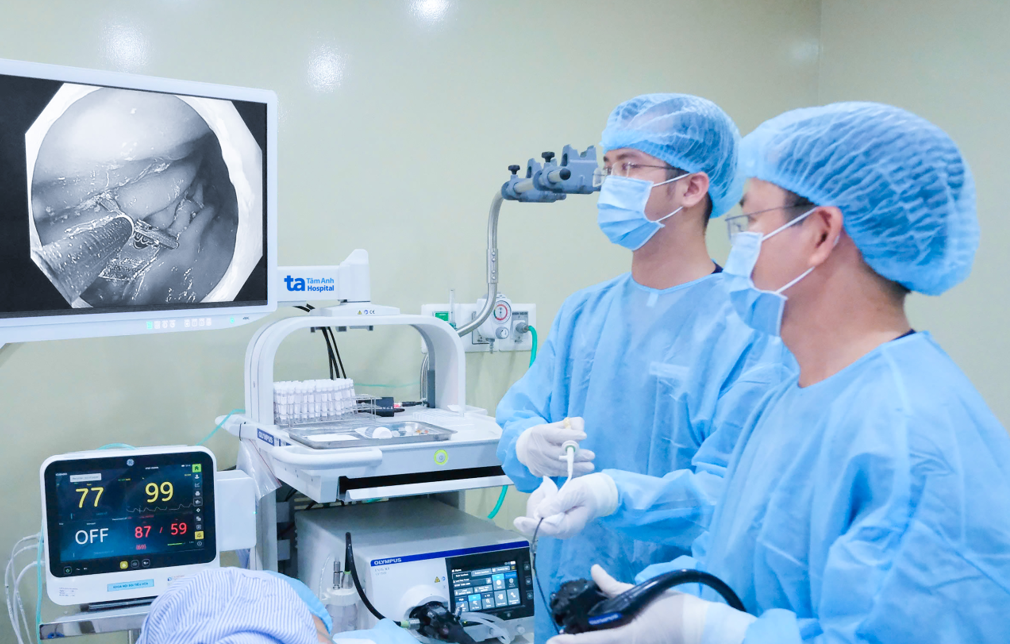 |
Endoscopy team attending to the young patient. Photo: Tam Anh General Clinic, District 7. |
A stomach ulcer occurs when the protective mucous layer of the stomach lining erodes, allowing gastric acid to damage the underlying tissue, leading to inflammation and ulcer formation. The condition is often caused by H. pylori bacteria or the overuse of nonsteroidal anti-inflammatory drugs (NSAIDs). Factors that can worsen the disease in children include consuming excessive acidic or spicy foods and irregular meal times.
Typical symptoms include a dull, burning pain in the upper abdomen (epigastric region), nausea or vomiting, burping, acid reflux, bloating, indigestion, loss of appetite, and weight loss. Young children with stomach ulcers often exhibit vague symptoms, making it difficult for them to describe their discomfort effectively.
According to Dr. Loc, regular health check-ups can help detect many underlying health issues in children. To protect their health, children should practice good hygiene, washing their hands thoroughly before eating and after using the restroom. Family members should also avoid sharing dipping sauces or pre-chewing food for children, and use separate eating utensils to prevent H. pylori infection. It is crucial not to administer nonsteroidal anti-inflammatory drugs to children without a doctor's prescription.
Dinh Lam
* Character's name in the article has been changed.
| Readers can submit questions about neonates here for doctors to answer. |





