Answer:
Chemical peels can help improve acne but are not a definitive treatment for all types of acne, especially when acne has been present for many years, is hormonal, or involves inflammatory factors, as in your case.
A chemical peel is a technique that uses chemical agents such as alpha hydroxy acids (AHA) and beta hydroxy acids (BHA) to remove the old, outermost layer of skin cells. This process helps to clear pores and reduce blockages, which are key contributors to acne formation. For concealed acne, blackheads, or mild inflammatory acne, a superficial chemical peel can lead to smoother skin and reduced roughness by exfoliating dead cells, shedding acne lesions, and helping to reduce inflammation and fade post-acne marks.
However, for cases of persistent inflammatory acne, recurrent acne, or acne related to hormonal imbalances, bacteria, or excessive sebum production, chemical peels alone cannot address the root causes of acne. Misuse or improper application of chemical peels also carries risks, including skin irritation, worsening inflammation, or post-inflammatory hyperpigmentation.
 |
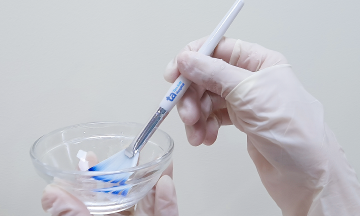
Chemical peels use a chemical solution to remove dead skin cells. Illustration: Tam Anh General Hospital |
The effectiveness of a chemical peel in treating acne depends on several factors, such as: acne type, skin condition, specific active ingredients used, concentration, and the technique applied. Doctors typically prioritize superficial peels with mild acids like glycolic or salicylic acid to minimize the risk of irritation. Medium or deep peels are rarely recommended for acne due to a high risk of complications, particularly in individuals with darker skin tones.
Chemical peels should be considered only as a complementary treatment within a comprehensive acne management plan. For effective, long-term acne control, you need to consult a dermatologist or aesthetic dermatologist. They can examine your skin and develop a suitable treatment regimen, which may combine various methods, such as: topical medications, oral medications, laser therapy, radiofrequency (RF) microneedling, and adjustments to your skincare routine and lifestyle.
Moreover, post-peel skincare plays a crucial role in recovery. Skin after a chemical peel is often more sensitive and prone to irritation if not adequately moisturized and protected from sun exposure. Using gentle products, avoiding alcohol-based fragrances, and strict sun protection help to minimize complications and support better skin recovery.
Dr. Quach Thi Bich Van
First Degree Specialist in Dermatology - Aesthetic Dermatology
Tam Anh General Hospital, Ho Chi Minh City
| Readers can submit questions about dermatological and aesthetic skin conditions here for a doctor's response. |