Answer:
Gynura procumbens leaves, while used in traditional medicine, do not prevent liver cancer. Liver cancer is caused by many factors, including genetics, cirrhosis, alcohol abuse, non-alcoholic fatty liver disease, and hepatitis B infection. Among these, 80% of liver cancer cases are related to hepatitis B.
In traditional medicine, Gynura procumbens (land ginseng) leaves can be used as a vegetable or combined with other medicinal herbs to support the treatment of diabetes, diarrhea, blood enrichment, and to cool the liver. However, this herb is considered "cold" in nature, with a slightly bitter and spicy taste, and excessive consumption can be toxic.
Therefore, you can use young Gynura procumbens leaves to cook soup, boil, or stir-fry, but you should not consume too much. If symptoms such as vomiting, excessive sweating, dizziness, or difficulty breathing appear, you should stop eating it.
To promote overall health, you should eat a variety of vegetables and fruits, ensure adequate nutrition, drink plenty of filtered water, and limit alcohol, high-energy and fatty foods, and sugary sodas. You also need sufficient sleep, increased physical activity, and stress avoidance.
For your father, who has liver cancer, the family needs to encourage him to follow the doctor's treatment plan, maintain proper nutrition, and engage in moderate physical activity. Do not arbitrarily abandon treatment or pursue unproven methods, as this could worsen the condition.
The hepatitis B virus is easily transmitted through sexual contact, from mother to child, and through blood. Individuals with hepatitis B need to take antiviral medication lifelong to control the virus levels in their bodies. If treatment is abandoned, the disease can silently progress to cirrhosis and liver cancer.
The disease can be prevented with a vaccine, which is up to 95% effective. Vaccines include single-component types and combination vaccines that also protect against hepatitis A.
Adults need to be vaccinated with three doses within six months, undergoing hepatitis B testing before booster shots. You should have regular health check-ups and quantitative hepatitis antibody tests for vaccination. If you already have hepatitis B, you do not need the vaccine; you must adhere to your doctor's prescribed hepatitis B treatment regimen. If you do not have antibodies, or if antibody levels are below the protective threshold, you should get vaccinated to prevent hepatitis B infection, which in turn helps prevent liver cancer.
Additionally, genetic factors account for approximately 10% of liver cancer cases. Therefore, you should undergo cancer screening, regular health check-ups, and specialized tests to detect abnormalities early and initiate prompt treatment.
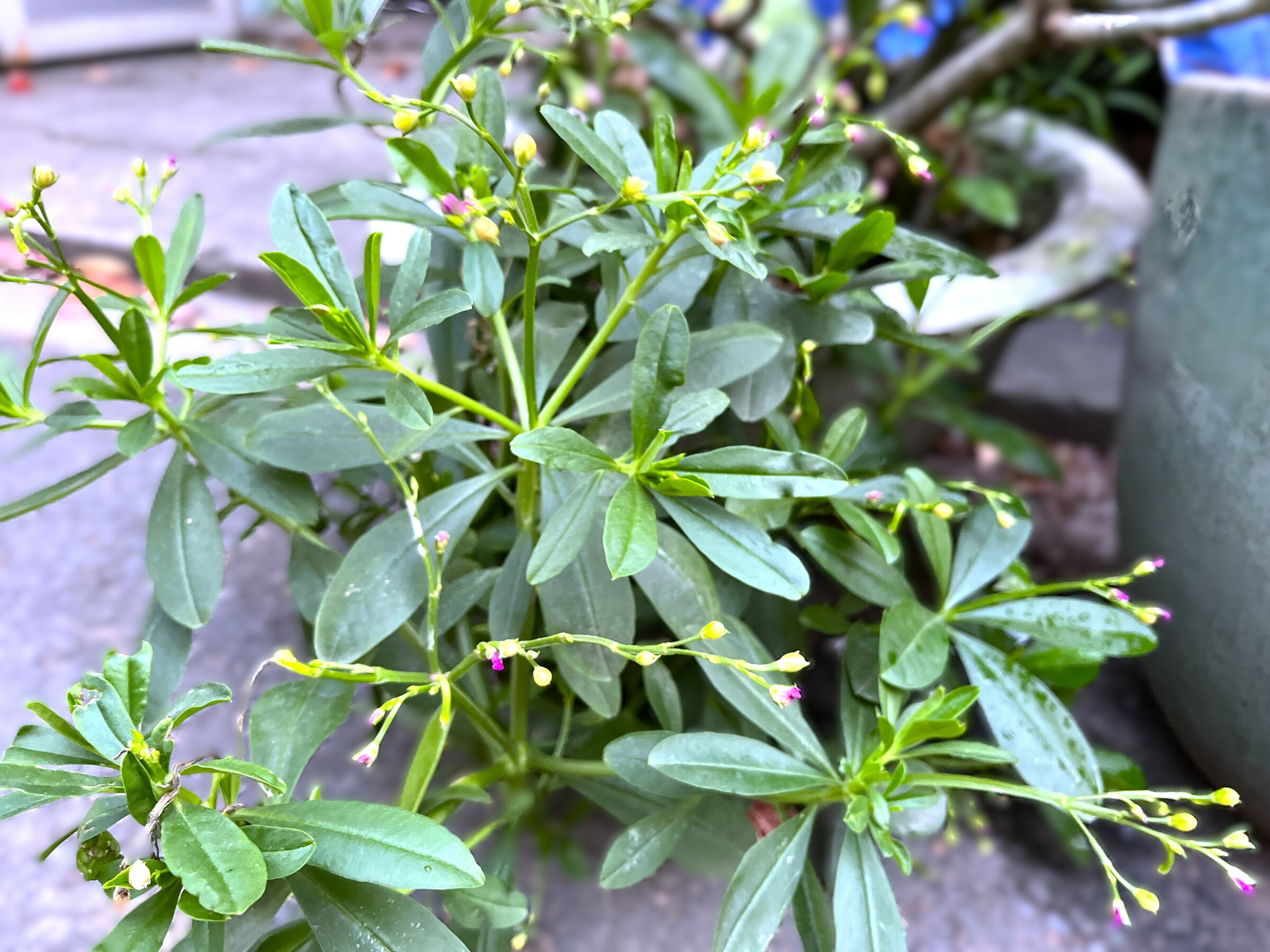 |
Consuming Gynura procumbens leaves helps cool the liver, but it does not prevent liver cancer. Photo: Dieu Thuan |
Dr. Nguyen Tien Dao, First Degree Specialist
Medical Manager, VNVC Vaccination System
Readers can submit vaccine-related questions for doctors to answer here.