Infants and children under 12 months old must not consume or use honey in any form.
While honey can help alleviate coughs, treat oral thrush, or boost overall health, it poses a risk of botulism poisoning for children under one year old. This can severely impact their health.
 |
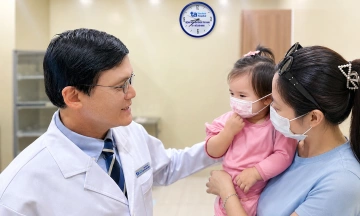
Doctor Van examining an infant. Photo: Tam Anh General Hospital |
Honey may contain spores of the bacterium Clostridium botulinum. In adults and older children, the digestive system is fully developed and can prevent the growth of this bacterium. However, an infant's immature digestive system cannot eliminate these bacterial spores.
Once in the intestines, the spores can develop into bacteria and produce botulinum toxin. This potent neurotoxin causes muscle weakness, paralysis, and affects respiratory function.
Infants with botulism poisoning often exhibit prolonged constipation, poor feeding or refusal to feed, weak crying, lethargy, drooping eyelids, decreased muscle tone, and floppy limbs. Severe cases involve difficulty breathing and respiratory failure, requiring immediate emergency care.
Due to this risk, health organizations worldwide advise against giving honey to children under 12 months old, including raw varieties. Parents should also avoid folk remedies such as using honey for tongue cleaning, treating oral thrush, alleviating coughs, or applying it to nipples before breastfeeding. These practices can expose infants to bacterial spores and increase the risk of poisoning.
Children should only begin consuming honey after they are over 12 months old. At this stage, their digestive system is more developed and can safely process bacterial spores.
Beyond honey, many parents also wonder if infants need additional water. According to experts, healthy infants under six months old typically do not require supplemental water, even in hot weather.
During this period, breast milk or formula (if breast milk is insufficient) is the only suitable source of nutrition for infants. Milk provides energy, vitamins, and minerals, meeting most of the body's water needs and sufficient for the infant's daily fluid requirements.
Giving additional water to infants can make them feel full, leading to reduced feeding and a decrease in essential nutrients for growth. In some instances, excessive water intake can also disrupt electrolyte balance, impacting their health.
Master of Science, Doctor Nguyen Thu Van
Deputy Head of Neonatology Department
Tam Anh General Hospital Hanoi
| Readers can submit questions about pediatric illnesses here for doctors to answer |