Traditional Chinese Medicine (TCM) emphasizes that proper breakfast habits are key to protecting the brain and nourishing the stomach. In his book, "Treating Common Diseases with Traditional Chinese Medicine," doctor Zhang Xueliang of the Chinese Academy of Medical Sciences cites teachings from the ancient text "Lao Lao Hang Ngon": "Yang energy is strongest at midday and weakest at sunset; therefore, one should eat a full breakfast, a light lunch, and leave the stomach empty in the evening." The principle of "eat well in the morning, eat little in the evening" is a golden rule for longevity and central to TCM's "stomach nurturing" method.
Breakfast is the most important meal of the day. After a long night's rest, the body continuously expends energy for over 10 hours without replenishment. At this point, the body needs to refuel through breakfast to maintain alertness and endurance throughout the workday. Regularly skipping breakfast can lead to sluggishness, impaired digestive function, and a weakened immune system. Furthermore, an empty stomach causes intense cravings before lunch, leading to overeating and obesity. In the long term, this habit also carries the risk of chronic diseases such as gallbladder polyps and gallstones.
For a quality breakfast, doctor Zhang states that the primary factor is that food must be warm. Raw and cold foods can easily deplete "yang qi" in the abdominal region; consuming warm items helps protect "stomach qi" and supports blood circulation. Upon waking, blood vessels and muscles are still constricted. Introducing cold foods will cause internal organs to contract more severely, hindering nutrient absorption and leading to issues such as a pale complexion, loss of appetite, or increased susceptibility to colds.
According to the doctor, a quality breakfast should feature carbohydrates as the main component. This nutrient group provides abundant energy and mental clarity for the brain, while also enhancing the absorption of nutrients from milk or soy milk. Additionally, adequate water intake during breakfast is essential to support digestion and promptly replenish the water the body has lost overnight.
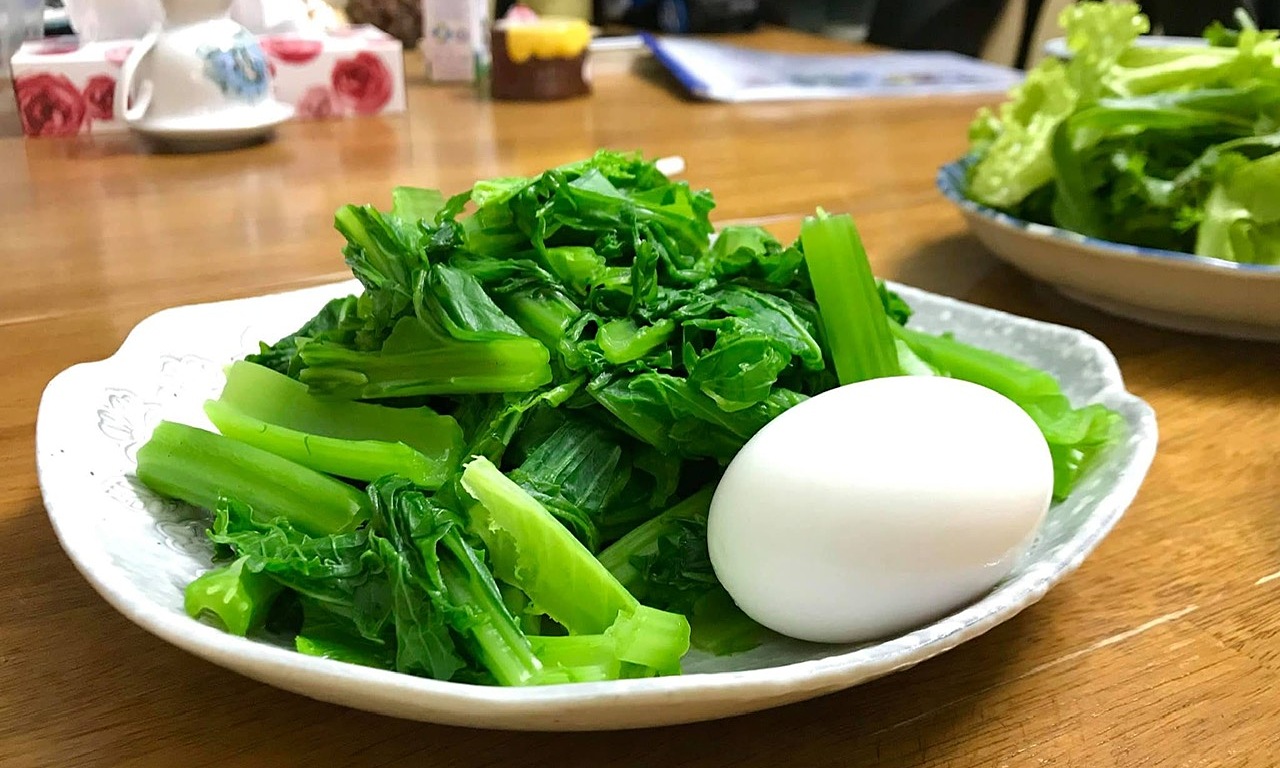
When combining foods, including sufficient protein and healthy fats from sources like eggs, soy products, lean meat, or peanuts helps prolong satiety and maintains sustained energy throughout the morning. To further perfect the menu, individuals should incorporate green vegetables and fruits to provide essential soluble vitamins and fiber. The doctor suggests a healthy breakfast includes warm dishes like: porridge, oatmeal, tofu pudding, hot soy milk, or black sesame sweet soup, combined with breads, green vegetables, and fruits to ensure adequate nutrition.
 |
A healthy breakfast includes warm dishes like porridge, oatmeal, tofu pudding, hot soy milk, or black sesame sweet soup. *Illustration: Chinawondersguide* |
The doctor specifically advises parents that skipping breakfast can negatively affect children's and adolescents' growth, physical development, and academic performance. Therefore, parents must set an example and support their children in forming scientific eating habits early on. Experts recommend eating breakfast approximately 20 to 30 minutes after waking, as this is when the digestive system is in its ideal state to fully absorb and metabolize nutrients.
Binh Minh (According to Sing Tao Headline)