A stroke occurs when blood flow to the brain is interrupted or a blood vessel in the brain ruptures, damaging nerve cells. Depending on the location and extent of the damage, patients may experience sequelae such as limb weakness, language disorders, memory impairment, loss of balance, or emotional changes.
After a stroke, the brain can recover through a mechanism called neuroplasticity. This is the brain's ability to reorganize, allowing healthy brain regions to form new neural connections or take over some functions of the damaged area.
However, recovery depends on factors including age, the extent of brain damage, the timing of intervention, and the rehabilitation process. The brain's ability to reorganize is strongest in the initial months after a stroke. This period is considered the "golden window" for motor, language, and cognitive exercises to stimulate the brain to form new neural pathways.
Many people, after hospital discharge, tend to rest at home, remain inactive, or stop exercising, believing neurological functions will recover on their own. In reality, missing the early rehabilitation phase can reduce the potential for functional improvement.
Currently, beyond physical, occupational, and speech therapies, doctors may prescribe other neurorehabilitation methods to optimize recovery for stroke patients.
Among these, hyperbaric oxygen therapy involves patients breathing pure oxygen in a high-pressure environment. The increased dissolved oxygen in the blood helps supply oxygen to brain regions that are still alive but have reduced activity after a stroke. This method can support improved neural cell metabolism, promote neuronal network reorganization, and enhance the effectiveness of motor, language, and cognitive recovery when combined with rehabilitation.
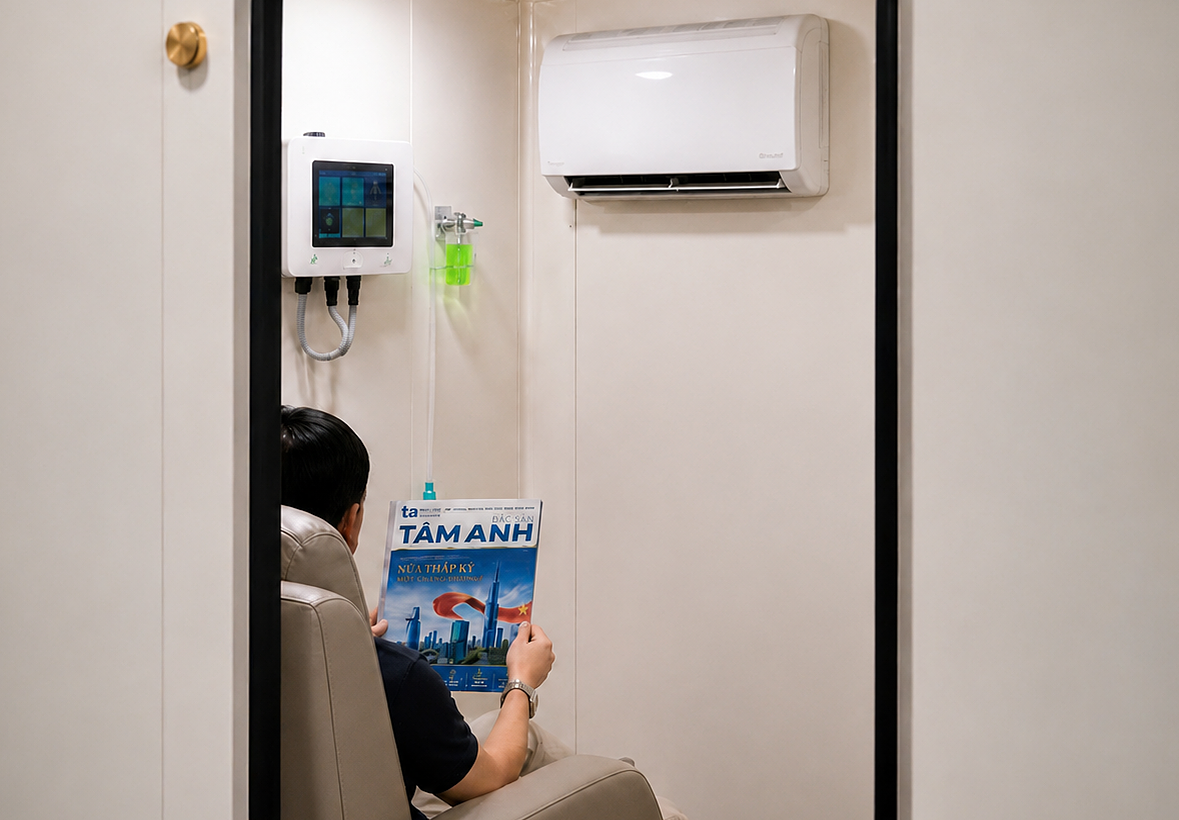 |
A patient breathes pure oxygen in a hyperbaric oxygen chamber. Illustration: *Tam Anh General Hospital*. |
In some cases, repetitive transcranial magnetic stimulation (rTMS) may be prescribed. This method uses magnetic fields to stimulate brain regions associated with motor function, language, or cognition, aiming to modulate neural activity and support functional recovery after a stroke.
Experiencing weak limbs and difficulty speaking four months post-stroke is common. This period still offers the brain a chance for recovery with proper intervention. You should revisit a neurology specialist to assess your current recovery progress and develop an appropriate treatment plan. Consistent exercise combined with modern rehabilitation methods can help improve motor skills, communication, and overall quality of life.
Doctor Nguyen Thi Minh Duc
Head of Neurology Department
Neuroscience Center
Tam Anh General Hospital, Ho Chi Minh City
| Readers can submit questions about neurological diseases here for doctors to answer. |