Specialist Tran Pham Thuy Hoa, from the Nutrition Department at Tam Anh General Hospital Hanoi, stated that many people choose the keto and eat clean diets with the expectation of rapid weight loss and improved overall health. However, this understanding is often incomplete regarding the nature of each nutritional regimen, which can lead to incorrect application and even counterproductive results.
The biggest difference between the two diets lies in the ratio of macronutrients. With keto, individuals must maximally reduce carbohydrate intake (accounting for only about 5-10% of total energy), while simultaneously increasing fat intake (about 70-75% of total energy) and maintaining protein at a moderate level daily. Cutting down on carbohydrates forces the body to enter a state of "ketosis". In this state, fats are converted into ketone bodies and become the main energy source, replacing glucose.
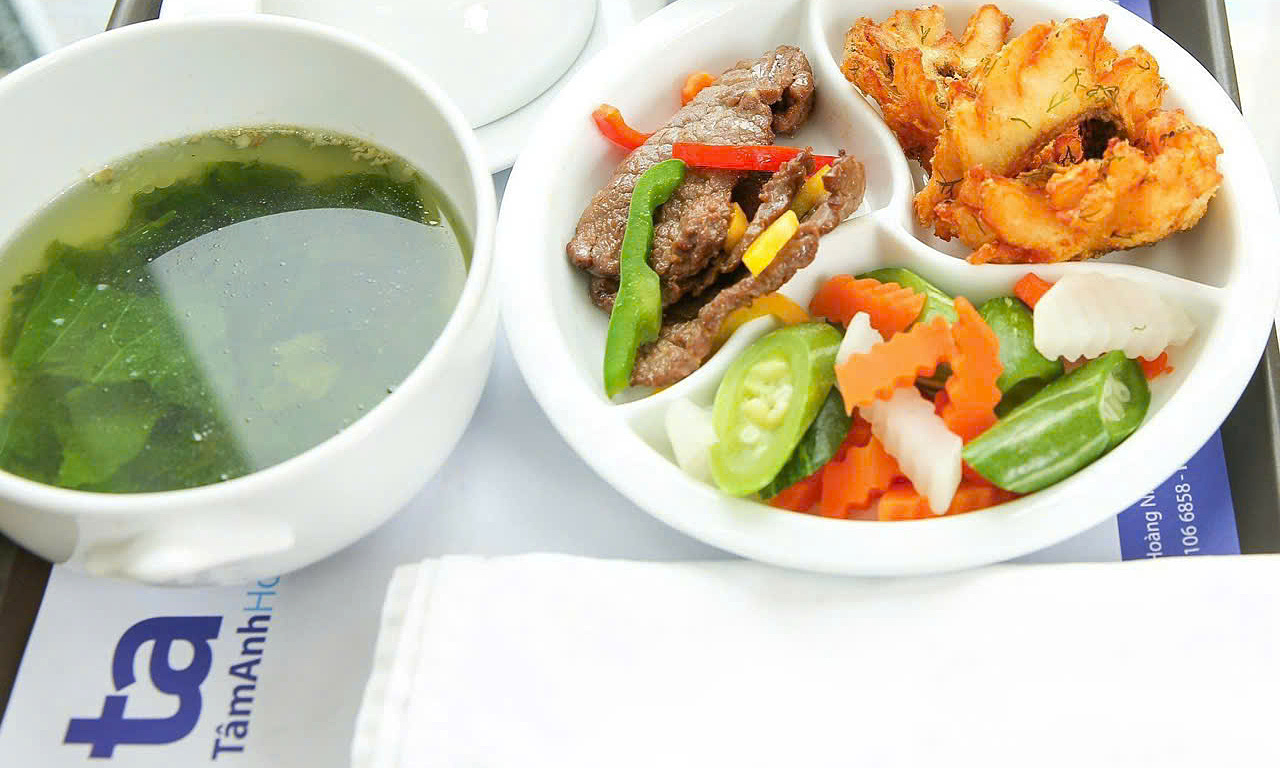
Conversely, eat clean does not require eliminating any macronutrient group. Adherents still consume sufficient carbohydrates, protein, and fat but prioritize foods in their natural, minimally processed form, such as brown rice, green vegetables, lean meat, fish, nuts, and vegetable oils. Instead of focusing on strict nutritional ratios, eat clean emphasizes food quality and balance in daily meals.
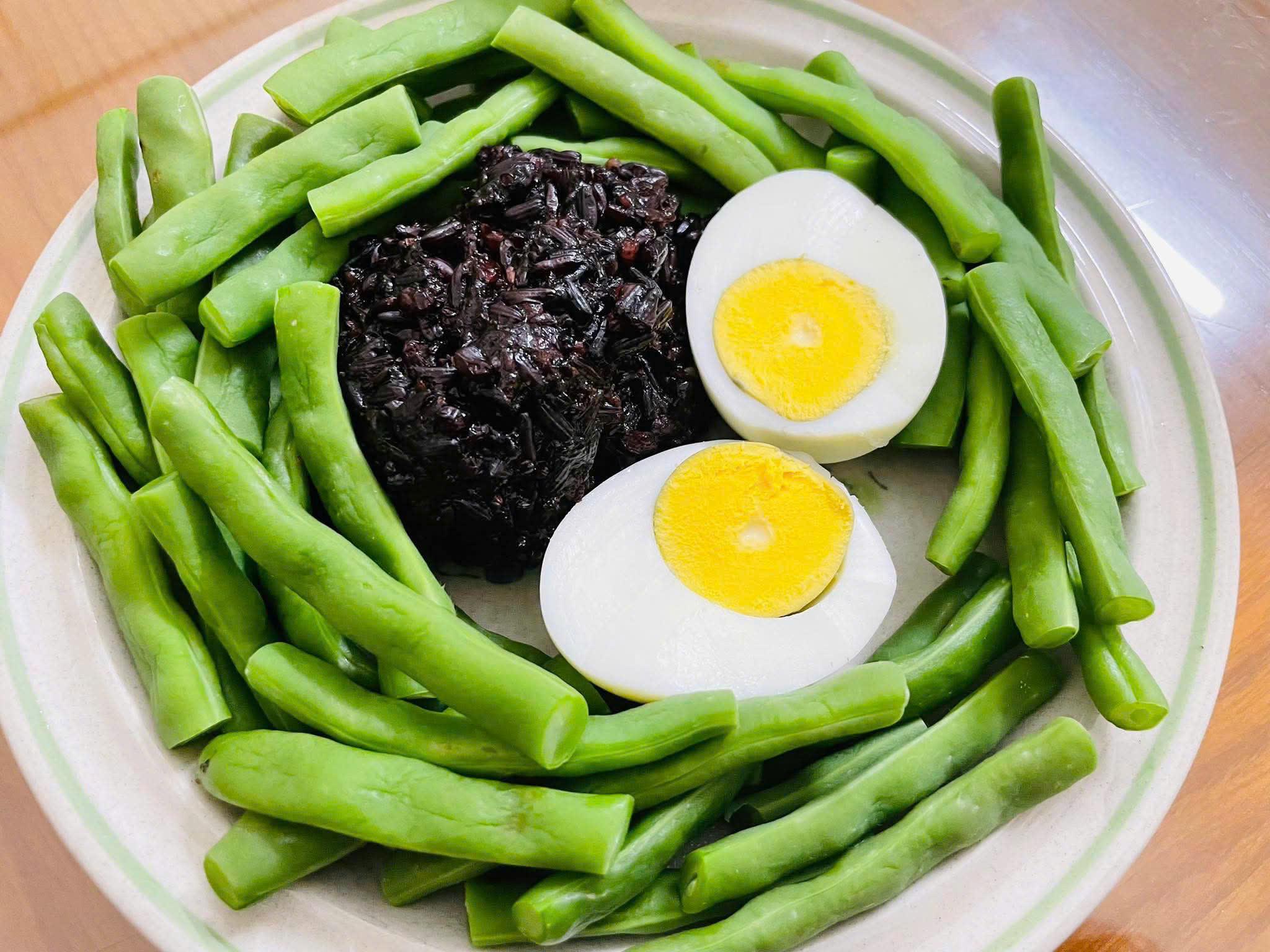 |
The eat clean diet differs from keto in that it does not require eliminating any macronutrient group. *Illustration: Thanh Ba*
This difference leads to entirely distinct energy generation mechanisms. With keto, when there isn't enough glucose from carbohydrates, the body is forced to burn fat to sustain its functions. This is why many people experience rapid weight loss in the initial phase. However, this transition can also cause symptoms like fatigue, dizziness, and reduced concentration—often referred to as "keto flu".
Meanwhile, eat clean still provides sufficient carbohydrates from good sources, helping the body maintain stable energy levels. As a result, those following it are less likely to experience sudden energy dips and can adapt more easily to daily life.
The weight loss effectiveness also differs significantly between the two regimens. Keto often yields rapid results in a short period, primarily because the body loses water and glycogen when carbohydrates are restricted, and fat burning is also enhanced. However, if not strictly maintained or if a high-carb diet is resumed, weight can quickly rebound.
Conversely, eat clean aims for slow but sustainable weight loss. Calorie control through healthy, fiber-rich foods helps create a feeling of fullness, limiting overeating. While it may not deliver quick results, this method is easier to maintain and causes less psychological pressure. In contrast, keto eliminates many common foods like rice, noodles, bread, and sweet fruits, making it difficult to sustain long-term, according to specialist Hoa.
However, both diets carry risks if not applied correctly. With keto, restricting vegetables and fruits can lead to deficiencies in fiber, vitamins, and minerals. Furthermore, a high-fat diet may not be suitable for individuals with liver or kidney conditions or metabolic disorders if not medically supervised.
While eat clean is generally safer, adherents can still make mistakes. Many believe that simply eating "healthy" prevents weight gain, leading to overconsumption of calorie-dense foods like nuts, dried fruits, avocados, or various sauces. Prolonged calorie surplus can still lead to fat accumulation.
Specialist Hoa noted that no one diet is optimal for everyone. The keto diet might suit individuals needing rapid, short-term weight loss, requiring expert supervision. Meanwhile, eat clean is a more appropriate choice for those wanting to build long-term healthy eating habits and maintain stable weight. The choice of diet should be based on health status, personal goals, and individual ability to adhere to it.
Thanh Ba
| Readers can submit nutrition questions here for doctors to answer |