Associate Professor Doctor Nguyen Thi Dieu Thuy, Head of Pediatrics at Hanoi Medical University Hospital, issued this warning at a seminar on pregnant women's care organized by the Vietnam Obstetrics and Gynecology Association on 26/7 in Hanoi. Doctor Thuy stated that RSV spreads through respiratory droplets when an infected person coughs, sneezes, or has close contact. Hanoi Medical University Hospital recorded nearly 500 children admitted for inpatient treatment due to this pathogen in late 2025 alone. Notably, healthy full-term infants without underlying conditions accounted for 81% of cases requiring intensive care.
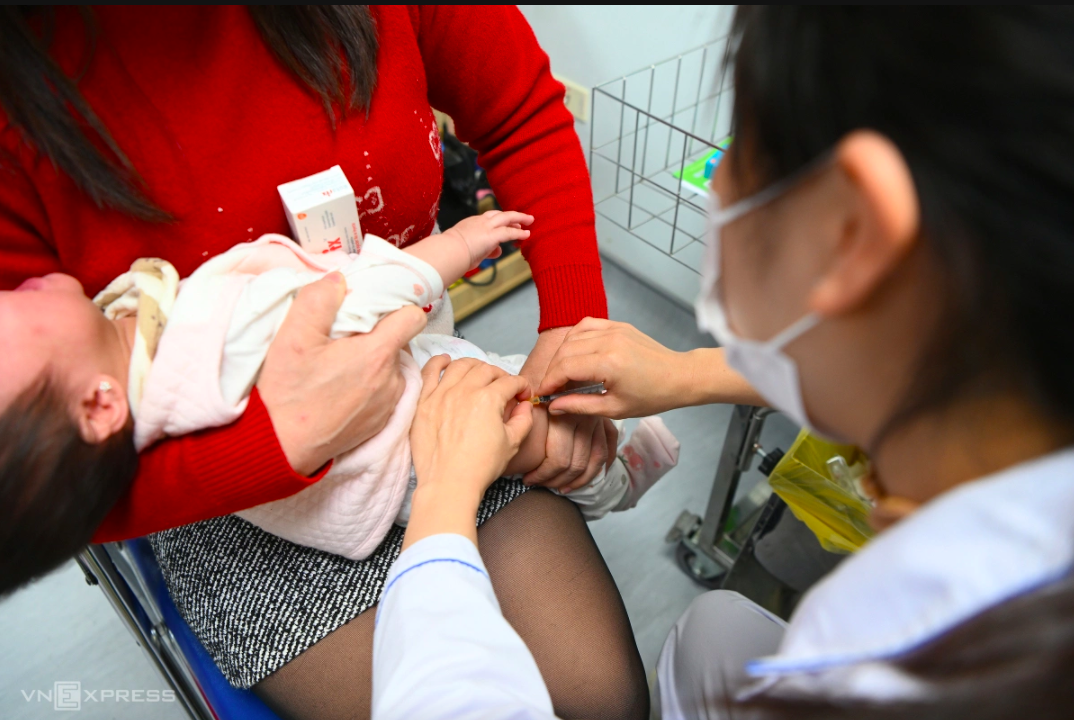 |
A child receiving treatment at National Children's Hospital. Photo: Giang Huy |
A child receiving treatment at National Children's Hospital. Photo: Giang Huy
Even healthy children face a high risk of severe complications when infected with RSV. Initially, the illness may present with mild symptoms like coughing, a runny nose, or slight difficulty breathing. However, the pathogen can quickly devastate the body, causing inflammation of the small airways in the lungs (bronchiolitis) and respiratory failure. In such cases, doctors must support the child with a ventilator or by inserting a tube through the mouth into the airway (intubation). Infants under six months old are most vulnerable due to their underdeveloped immune systems and narrow airways, which can quickly become obstructed by swelling. Approximately 27% of children hospitalized with severe RSV bronchiolitis will develop asthma before age 5.
Statistics from the World Health Organization (WHO) identify RSV as the leading cause of lower respiratory tract infections in young children, resulting in 1.4 million hospitalizations and over 27,000 deaths annually among children under six months globally. In Vietnam, this virus strain accounts for 24% to 48% of lower respiratory tract infection cases in children.
Currently, there is no specific treatment for RSV. Professor Doctor Nguyen Viet Tien, President of the Vietnam Obstetrics and Gynecology Association, advises families to focus on proactive prevention. During pregnancy, expectant mothers should have regular check-ups, maintain a nutritious diet, and get vaccinated to transfer antibodies to their babies. Infants also need natural antibodies from exclusive breastfeeding during their first six months of life.
Health experts recommend that adults avoid kissing infants, and not expose them to cigarette smoke or individuals with flu-like symptoms. Parents should wash their hands thoroughly before holding children, clean toys, and use separate feeding utensils for them. If a child exhibits rapid breathing, deep chest retractions during inhalation, refuses to feed, has bluish skin, or stops breathing, parents must take the child to a medical facility immediately.
Le Nga