Chemical peels are known to remove dead skin cells, brighten the complexion, and reduce acne. However, breastfeeding mothers, like yourself, should carefully consider this procedure to ensure the safety of both mother and baby.
Some chemical peel products contain potent active ingredients that can penetrate the skin, enter the bloodstream, and theoretically impact breast milk. Ingredients not recommended during this period include isotretinoin or hydroquinone, retinoids, phenol, or peels with high concentrations of trichloroacetic acid (tca), as these can deeply penetrate the skin and pose potential risks to both mother and baby's health.
For skin improvement, breastfeeding mothers can consider milder skincare methods. Certain active ingredients, such as low-concentration alpha hydroxy acids (ahas) like glycolic acid and lactic acid, or low-concentration beta hydroxy acids (bhas) like salicylic acid, are generally considered safer when used correctly. These components primarily act on the skin's surface, helping to remove dead cells, brighten skin, and reduce mild acne.
 |
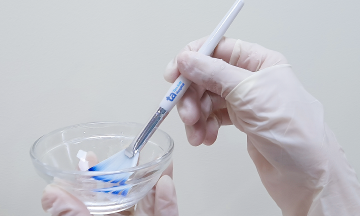
A doctor prepares chemical peel ingredients for a woman. *Photo: Tam Anh General Hospital* |
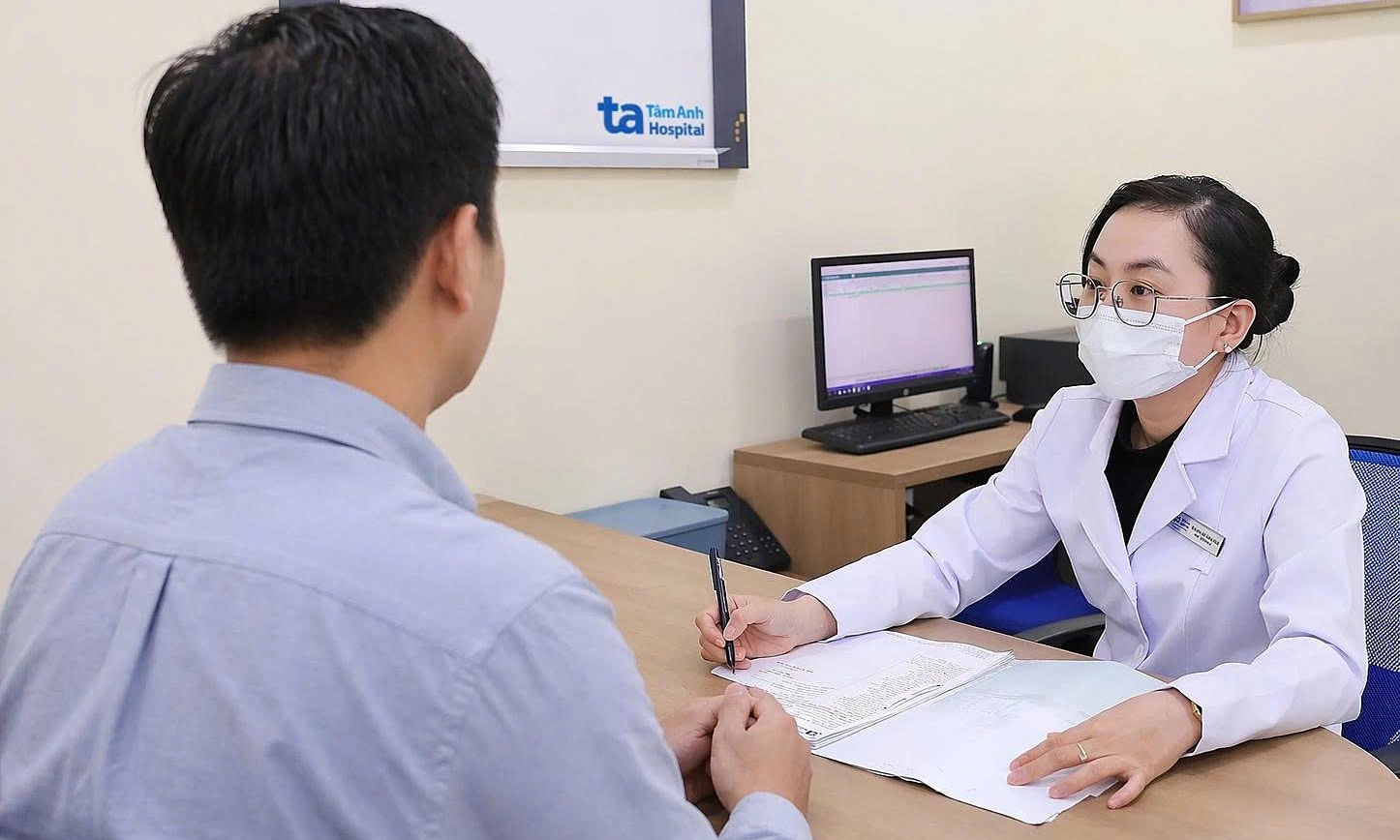
Before deciding on a chemical peel, you should visit a hospital for an examination and consult with a dermatologist specializing in cosmetic dermatology. The doctor will assess your skin condition, select appropriate active ingredients and concentrations, and then develop a safe skincare regimen that improves your skin while ensuring the health of both mother and baby.
You should prioritize gentle skincare products with clear origins. Using appropriate sunscreen, ensuring adequate hydration, and getting sufficient rest are also crucial for postpartum skin recovery.
Dr. Tran Nguyen Anh Thu, Master of Science, First-Degree Specialist in Dermatology - Cosmetic Dermatology, Tam Anh General Hospital, Ho Chi Minh City.
| Readers can submit questions about dermatological and cosmetic skin conditions here for a doctor's response. |