HPV is a common virus, with most sexually active individuals contracting it at least once in their lifetime. The virus primarily spreads through skin-to-skin contact and mucous membranes in the genital, oral, and anal areas, even without symptoms.
Beyond sexual activity, HPV can also spread through sharing clothes, towels, underwear, unsanitary toilet seats, or unsterilized medical instruments. In 2017, 80 children in Hung Yen developed genital warts after undergoing circumcision at a facility that did not ensure sterility. This illustrates that adolescents, even with strong immunity, are still at risk of HPV infection.
Most HPV infections resolve spontaneously. However, 10-20% persist, leading to genital warts and various cancers, including cervical, vulvar, vaginal, penile, anal, and oropharyngeal cancers. High-risk strains have a long incubation period (10-20 years), and infected individuals can still transmit the virus even without symptoms.
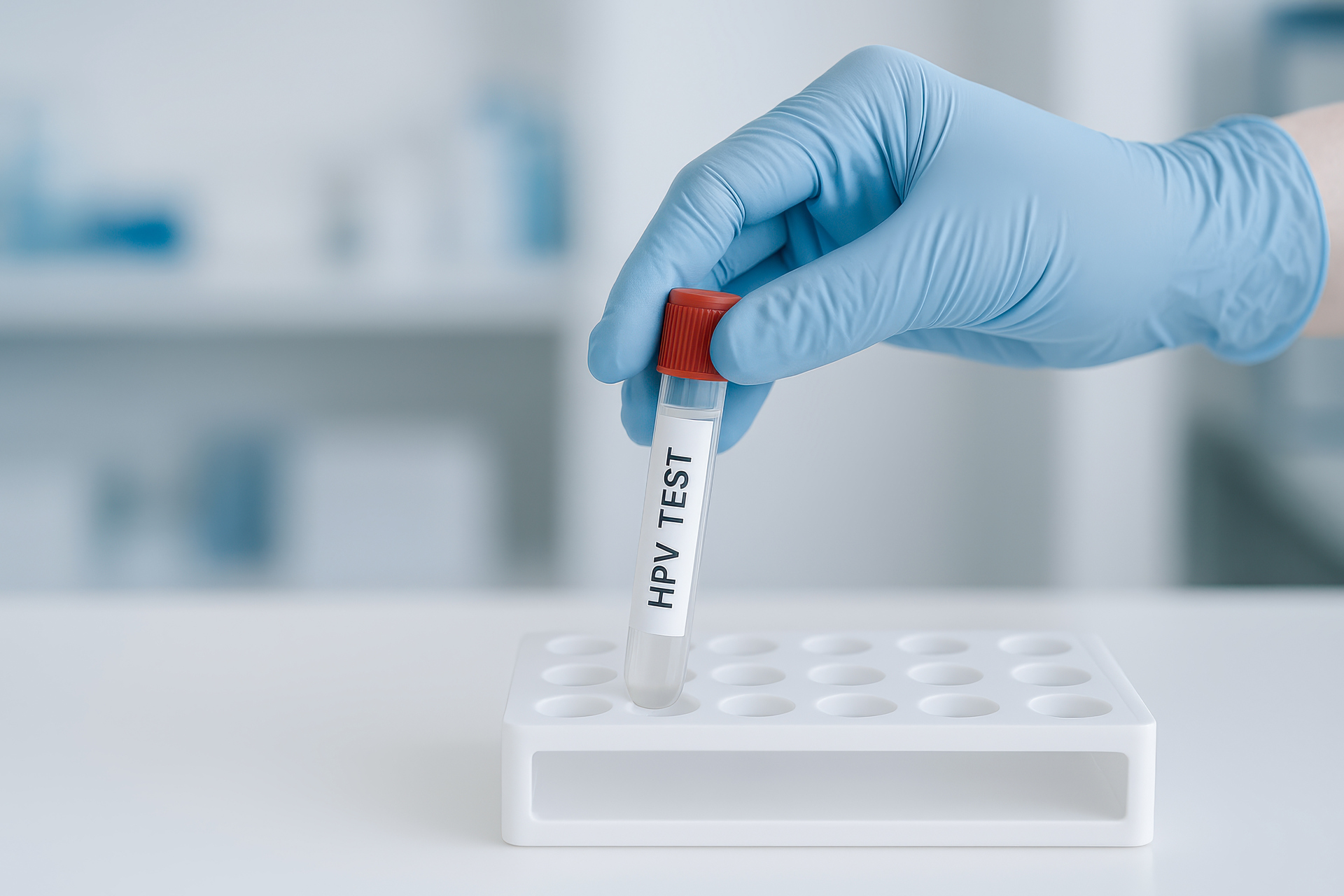 |
Illustration of an HPV virus infection test. *Photo: Vecteezy* |
Vaccination is an effective preventive measure recommended by the World Health Organization (WHO) and many health agencies. Vaccines offer up to 94% protection if administered early and completely. The vaccine is proven effective and well-tolerated in adolescents, helping prevent virus infection before the onset of first sexual intercourse.
Currently, two types of HPV vaccines are available. Gardasil protects against four common virus types (6, 11, 16, and 18) and is administered to females aged 9 to 26. Females aged 9 to under 14 receive two doses, 6-12 months apart, while those aged 14 to 26 receive three doses within 6 months. Gardasil 9, a newer generation vaccine, protects against nine virus types (6, 11, 16, 18, 31, 33, 45, 52, and 58) and is given to both males and females aged 9-45. Children aged 9 to under 15 receive two doses, 6-12 months apart, while those aged 15 to 45 receive three doses within 6 months.
In addition, individuals should practice other preventive measures: safe sexual intercourse, limiting stimulants, maintaining a healthy lifestyle, avoiding sharing personal items, and undergoing regular health check-ups.
Dr. Pham Dinh Dong
Medical Manager, VNVC Vaccination System
Readers can submit questions for vaccine consultation to the doctor here.