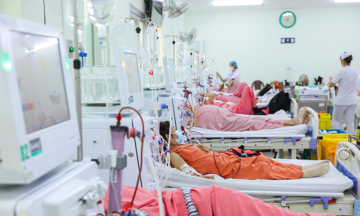
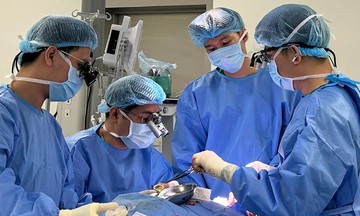
The Ministry of Health has launched a national medical AI network, with the goal of deploying artificial intelligence (AI) in over 3,300 grassroots health stations by 2026. This initiative seeks to enhance disease diagnosis and treatment across the country. According to Vu Manh Ha, Permanent Deputy Minister of Health, AI is a strategic national breakthrough contributing to a smart healthcare system. He made this statement at the workshop for the launch of the Vietnam Responsible Health AI Network (V-RHAIN) and the promotion of responsible health AI solutions, held on the afternoon of 14/1.
Artificial intelligence plays a crucial role in enhancing capabilities for prevention, diagnosis, treatment, and healthcare management. Many hospitals have already implemented AI in medical examination and treatment, becoming valuable assistants for doctors. For example, Cho Ray, K, and Bach Mai Hospitals utilize AI and robots for cancer treatment. University Medical Center Ho Chi Minh City applies AI in cardiac ultrasound to support accurate diagnosis and optimize heart failure treatment.
However, grassroots health stations, which face challenges in human resources, infrastructure, and access to quality medical services, have limited AI adoption. Therefore, in 2026, the Ministry of Health will focus on deploying AI at 3,321 communal and ward health stations nationwide. Essential AI solutions will be implemented, including tuberculosis screening, cardiovascular disease detection, community nutrition counseling, and support for diagnosing severe conditions such as acute kidney failure and respiratory failure. AI will also serve as a virtual assistant to improve the management and operation of grassroots healthcare.
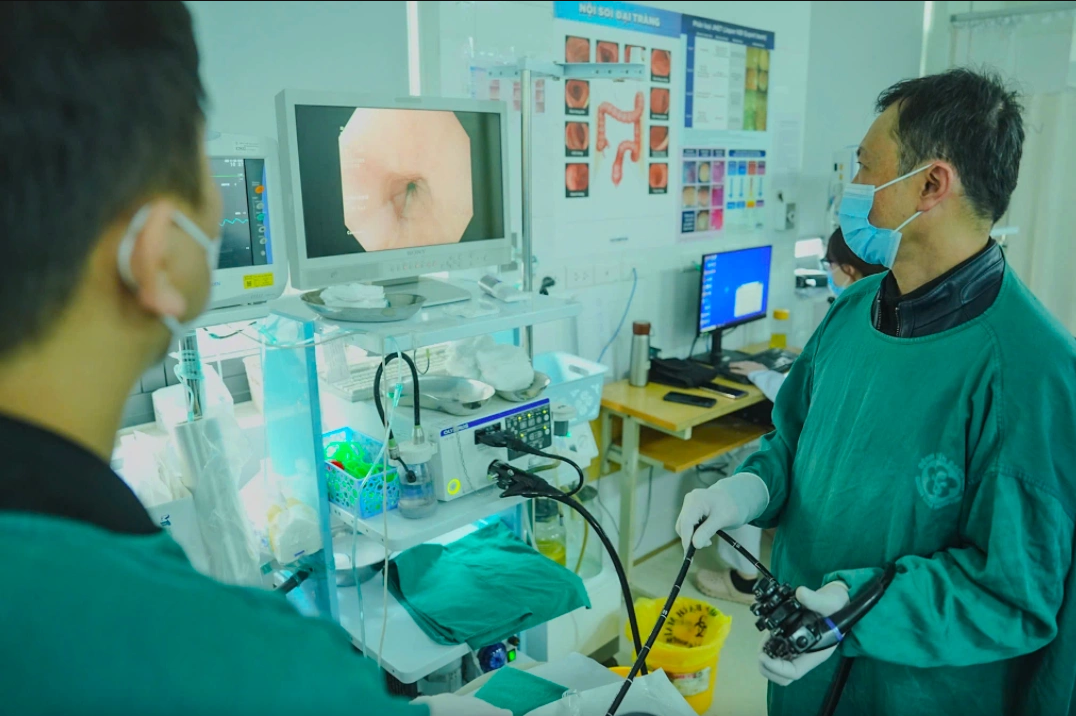 |
Doctors at Bach Mai Hospital use AI in gastrointestinal endoscopy for early cancer detection. *Photo: The Anh* |
The Ministry of Health identifies medical AI as a field directly impacting people's lives, health, and rights. Therefore, its deployment will be cautious, follow a roadmap, and be managed based on risk levels. Applications will be developed and used on a human-centered platform, ensuring patient safety, health data security, transparency, and impartiality.
"A controlled experimental approach, coupled with practical impact assessment, is an important orientation to both promote innovation and control risks," said Ha.
According to Nguyen Truong Nam, Deputy Director of the National Medical Information Center (Ministry of Health), Vietnam has advantages in applying AI in healthcare, stemming from three key strengths: a strong team for application product deployment, readily available medical data, and significant practical demand.
Vietnam is among the 10 early participating countries in HealthAI's global network, which provides access to international standard medical AI governance toolkits, connects with the Global Regulatory Network (GRN), and allows participation in the Community of Practice (CoP) for knowledge and research data sharing. This offers "Make in Vietnam" AI products an opportunity for recognition and inclusion in the Global Public Database (GPD).
Le Nga