Hypertension, commonly known as high blood pressure, is a silent yet dangerous condition affecting approximately one-third of adults in the UK. Incorporating a specific red root vegetable into your daily diet could be a key to naturally managing this condition.
When blood pressure is high, the heart works significantly harder to pump blood throughout the body. Prolonged hypertension places immense strain on the heart, blood vessels, and other internal organs. Undetected and untreated, it can lead to severe, life-threatening emergencies like stroke and heart attack.
Diet is a primary risk factor influencing blood pressure, with high salt intake being a leading cause. Salt causes the body to retain water, increasing pressure on blood vessel walls and raising blood pressure. Conversely, certain foods can have a beneficial, reversing effect.
In a video shared on TikTok, Doctor Suraj Kukadia, known as Dr Sooj, discussed beetroot's health benefits. He stated, "Beetroot is an excellent natural source of nitrates. This compound is proven to effectively lower blood pressure in both central and peripheral circulatory systems. Additionally, beetroot significantly improves athletic performance."
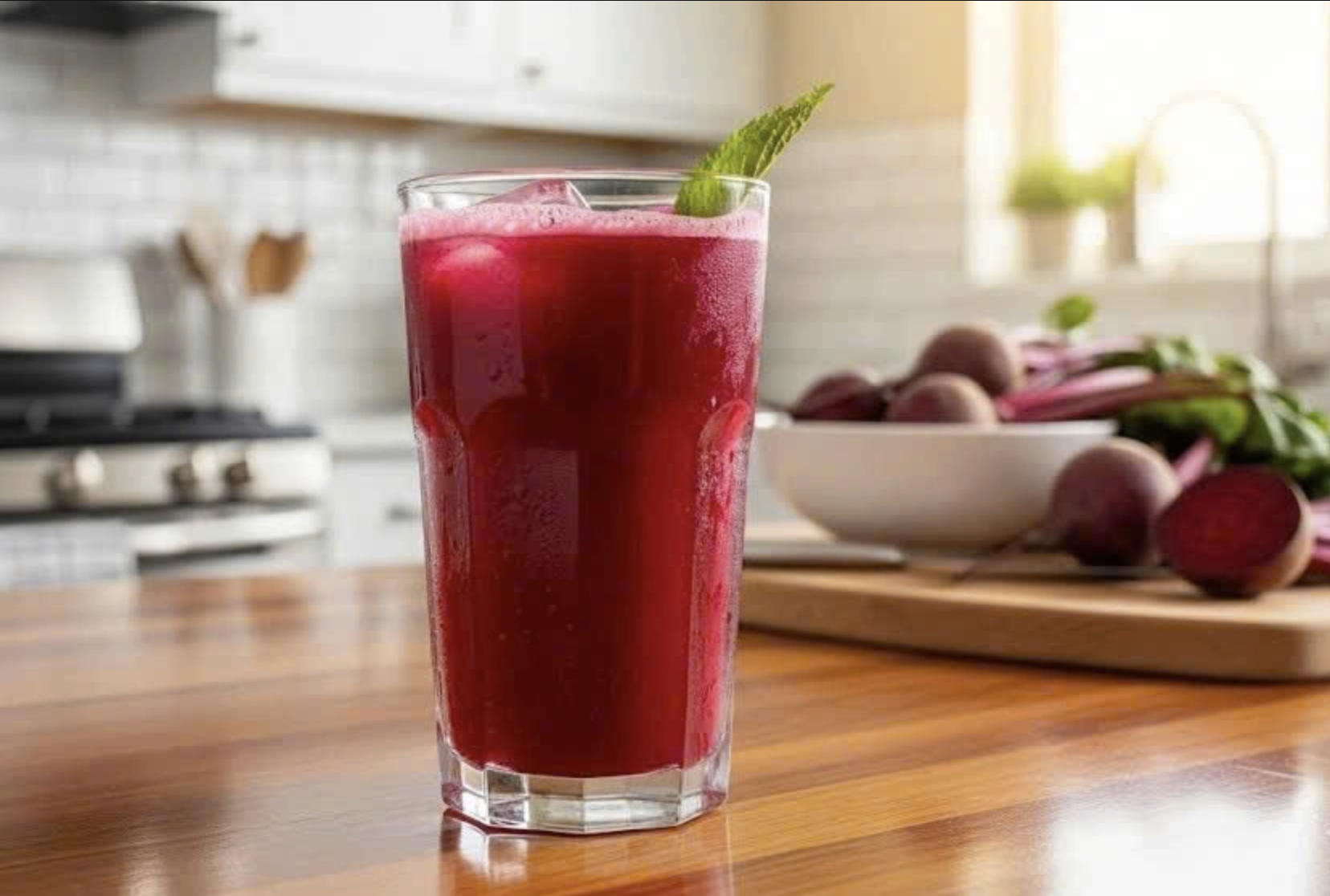 |
Drinking just one 250 ml glass of beetroot juice daily has been shown to reduce blood pressure by an average of 8/4 mmHg. *Trong Nghia*
Doctor Kukadia’s recommendations are supported by robust scientific research on beetroot juice’s impact on blood pressure.
A 2015 study published in the medical journal Hypertension by researchers at Queen Mary University of London found that consuming just one 250 ml glass of beetroot juice daily reduced blood pressure by an average of 8/4 mmHg.
Many participants saw their blood pressure return to a healthy range. Researchers highlighted the significance of these findings, noting that a 2 mmHg increase in blood pressure raises the risk of death from heart disease by 7% and from stroke by 10%.
Beetroot's significant blood pressure-lowering ability is attributed to its concentrated inorganic nitrate content. Other nitrate-rich foods include spinach, rhubarb, celery, lettuce, and watercress.
A 2022 meta-analysis in Frontiers in Nutrition, which reviewed seven studies, concluded similarly: Nitrates in beetroot juice effectively reduce systolic blood pressure but have no significant effect on diastolic blood pressure in patients with arterial hypertension. Data suggests that consuming beetroot juice daily for 60 days yields optimal results.
To actively manage and maintain healthy blood pressure, the National Health Service (NHS) recommends adhering to the following lifestyle principles:
Adopt a healthy, balanced diet: Increase intake of green vegetables, fruits, and whole foods.
Exercise regularly: Aim for at least 150 minutes of moderate-intensity activity per week.
Manage weight: Safely lose weight if you are overweight or obese.
Reduce salt intake: Minimize salty foods, processed foods, and avoid adding extra salt to daily meals.
Limit alcohol consumption: Avoid regularly exceeding 14 units of alcohol per week.
Cut down on stimulants: Limit caffeinated drinks such as coffee, strong tea, and carbonated soft drinks (cola).
Do not smoke.
High blood pressure often presents without clear symptoms but can lead to severe consequences. If you have any concerns about your blood pressure, proactively consult your family doctor or a healthcare professional for examination, advice, and the most suitable treatment plan.
*My Y (According to Express)*