Hemorrhoids are swollen veins in the anus and lower rectum, categorized as internal or external. Common in office workers over 30, they are not life-threatening but can diminish quality of life. Risk factors include prolonged sitting, inactivity, insufficient water intake, consuming spicy foods, a low-fiber diet, obesity, pregnancy, and anal sex. To prevent irritation, increased pressure, pain, and discomfort, individuals with hemorrhoids should avoid certain actions.
Excessive fiber intake
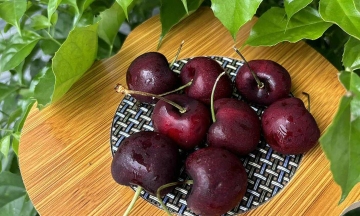
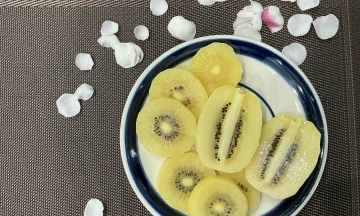
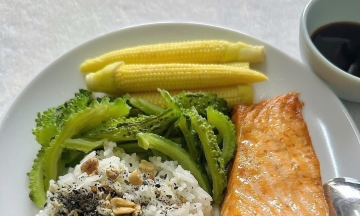
Fiber softens stool, facilitating easier bowel movements. However, hemorrhoid patients should introduce fiber gradually, increasing consumption incrementally to avoid bloating, abdominal distension, and changes in bowel habits. Rapidly increasing fiber can elevate pressure on hemorrhoids and disrupt digestion. Good sources of fiber include green vegetables, beans, whole grains, and fruits. Patients should aim for about 30-35 g of fiber daily to reduce pressure on hemorrhoids.
 |
Yogurt and apples, rich in fiber and probiotics, support digestion and prevent constipation. *Image created by AI* |
Dehydration
Adequate hydration keeps stool soft and easier to pass. Water is vital for digestion and overall health. Beyond plain water, prune juice and smoothies can act as natural laxatives, helping to prevent constipation.
Inactivity
Sitting for extended periods directs body weight onto the anal region, compressing veins and impeding blood flow. This stagnation leads to swelling, promoting the enlargement of hemorrhoids and causing pain. Hemorrhoid patients should walk briskly for 20-30 minutes daily to maintain stable circulation, support bowel motility, and manage symptoms. Office workers who sit for long durations should stand and walk for at least 5 minutes every hour.
Straining
Pushing, pulling, or straining during lifting can cause hemorrhoid pain and bleeding, worsening symptoms.
Sitting on hard surfaces
Instead of sitting directly on hard surfaces, patients should use a cushion or soft chair. This helps reduce hemorrhoid swelling and avoids painful contact. This practice can also prevent new hemorrhoids from forming.
Scratching
Scratching or irritating itchy areas can damage the skin and intensify irritation and itching.
Natural methods for symptom relief include applying ice packs or hemorrhoid cream to soothe pain. Lifestyle modifications such as increasing fiber intake, drinking plenty of water, and regular exercise can promote consistent bowel movements, preventing long-term hemorrhoid pain. Patients should avoid prolonged sitting on the toilet, refrain from using phones during bowel movements, and maintain regular bowel habits. Prioritize alcohol-free wet wipes to reduce irritation. Using a low stool under the feet during bowel movements can support a squatting posture. Wearing soft, loose underwear ensures proper ventilation in the genital area, minimizing discomfort from dampness.
By Anh Chi (According to WebMD)
| Readers can ask questions about digestive diseases here for doctors to answer |