Colon resection surgery is often indicated for treating colon cancer, severe ulcerative colitis, and Crohn's disease. Master, Doctor, Specialist Level I Nguyen Anh Duc, from the Center for Endoscopy and Gastrointestinal Endoscopic Surgery at Tam Anh General Hospital TP HCM, states that patients face various complications depending on their condition, surgical technique, and post-operative care.
Early post-operative complications
Anastomotic leakage is a serious early complication. It occurs when the two anastomosed bowel ends do not seal completely, leading to the leakage of digestive fluids or feces into the abdominal cavity. Anastomotic leakage can cause peritonitis and serious infection if not promptly detected and managed.
Surgical site and abdominal infections result from bacterial invasion during surgery or improper wound care. Common symptoms include fever, increased pain, a swollen and red wound, or discharge and pus.
Post-operative bowel obstruction or motility disorder (also known as paralytic ileus) often relates to intestinal adhesion or impaired bowel contractions. Manifestations include nausea, vomiting, abdominal distension, and inability to pass gas or stool.
Post-operative bleeding may result from bleeding at the anastomosis site or the dissection area, or from a coagulation disorder. Patients typically experience abdominal pain, hypotension, a rapid pulse, and pale skin. This is an emergency that requires early intervention.
 |
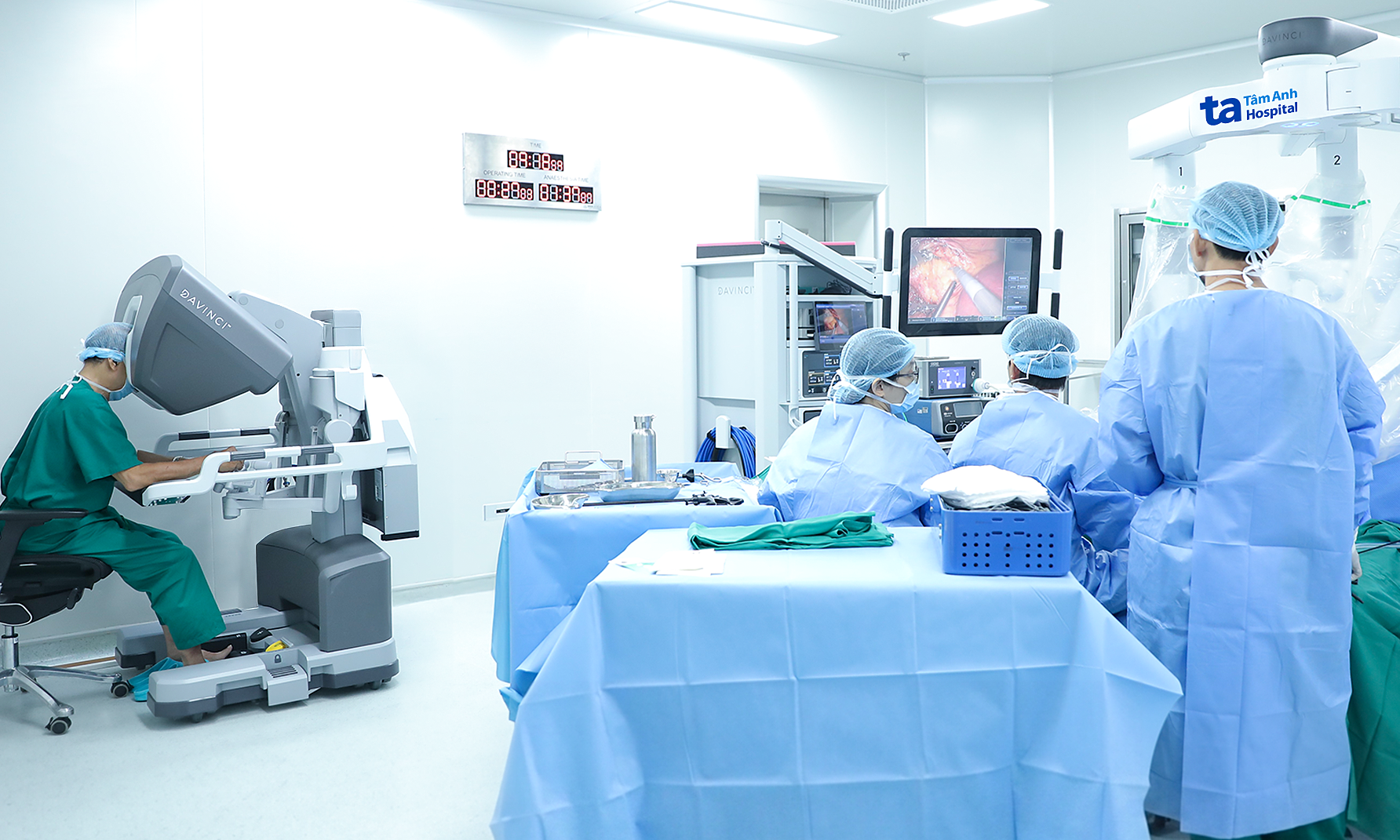
The doctors at Tam Anh General Hospital perform laparoscopic colon resection for a patient. Photo: Hospital provided
Late post-operative complications
Intestinal adhesion commonly occurs after surgery due to scar tissue formation in the abdominal cavity, obstructing bowel flow. Adhesion can cause recurrent bowel obstruction, abdominal pain, distension, and difficult bowel movements, with a risk of re-operation.
An incisional hernia occurs when the abdominal wall at the surgical site does not heal strongly, creating an opening for abdominal organs to protrude. This complication mostly appears several months to several years after surgery. Large hernias can cause pain and affect daily life, often requiring surgery to implant an artificial mesh to reinforce the abdominal wall.
After surgery, patients may experience digestive disorders such as bloating, indigestion, and prolonged changes in bowel habits due to altered colon structure and function. Patients should consult their doctor for guidance on suitable diet and treatment.
Doctor Anh Duc advises patients to seek early examination if they experience any abnormal digestive symptoms to reduce the risk of complications. Choosing a reputable medical facility with skilled professionals and modern equipment helps ensure surgical safety.
Before surgery, patients must fully disclose all medications and supplements they are taking, as these can affect blood coagulation and increase the risk of complications. After surgery, proper wound care, hygiene, and monitoring for abnormal signs such as fever, increased pain, or discharge are crucial. Simultaneously, maintaining adequate nutrition, getting sufficient rest, and avoiding strenuous activity promote better body recovery.
Early detection and timely management of post-colon resection complications reduce the risk of serious complications and shorten patient recovery time.
Thao Nhi
| Readers can send questions about digestive diseases here for doctors to answer |