Representatives from Ho Chi Minh City Dermatology Hospital and the Ho Chi Minh City Center for Disease Control, at a recent meeting on preventing sexually transmitted infections and leprosy, highlighted the rapid increase in syphilis cases as a significant epidemiological concern, noting a substantial gender disparity. Men are predominantly affected, with an incidence ba times higher than women.
Previously, syphilis cases had declined due to effective antibiotics and intervention programs. However, a significant increase has been observed in recent years. The disease, caused by the bacterium *Treponema pallidum*, primarily spreads through unprotected sexual contact, posing a high risk for individuals with multiple partners, inconsistent condom use, or a history of sexually transmitted diseases. Syphilis can progress silently for many years, making it easy to overlook. Many cases are diagnosed late due to subtle symptoms and patients' reluctance to seek medical attention.
Beyond syphilis, genital warts are common in Ho Chi Minh City, with cases exceeding 38,000 in 2023. Gonorrhea is also on the rise, with male cases 11 times higher than female cases.
In response to this situation, Ho Chi Minh City's health sector is implementing a 2026 response plan with ba objectives: enhancing grassroots healthcare capacity, reducing the incidence of common diseases, and working towards eliminating mother-to-child syphilis transmission. Current significant challenges include staffing shortages following system reorganization and the fear of stigma, which causes patients to delay seeking services.
 |
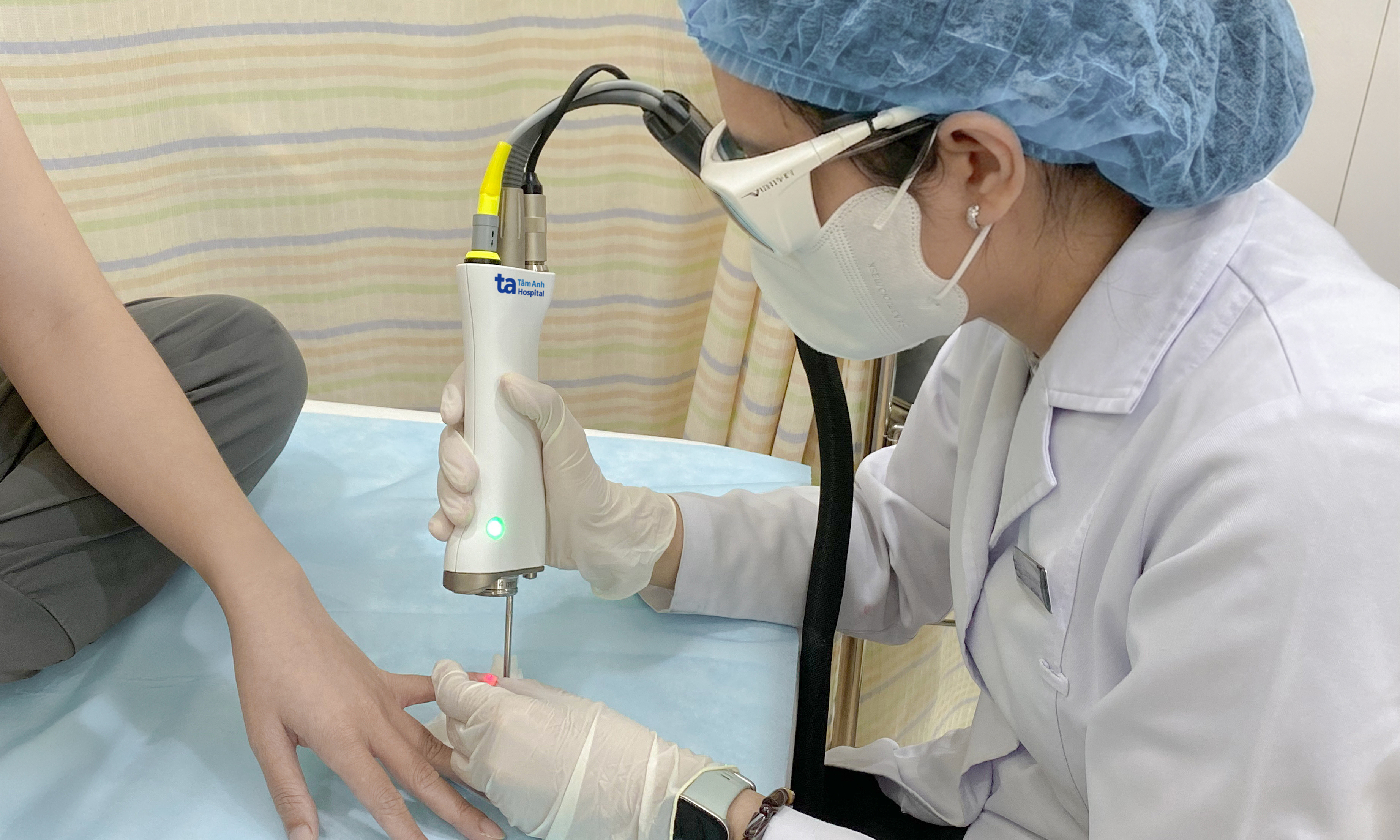
A doctor at Ho Chi Minh City Dermatology Hospital examines a male patient with a sexually transmitted disease. *Photo: Hospital provided*
Doctor of Medicine, Level 2, Bui Manh Ha, Deputy Director of Ho Chi Minh City Dermatology Hospital, recommended strengthening grassroots healthcare to improve disease screening and case management. Moving forward, units will increase professional support and training for commune health stations and lower-level clinics.
Conversely, Ho Chi Minh City has achieved positive results in leprosy prevention, having met its goal of eliminating the disease at the district level by 2025. During the 2021-2025 period, the city recorded no new cases among children and currently manages 246 patients.
Despite this, experts warn that most new leprosy cases are multi-bacillary, posing a potential transmission risk. In 2026, the city will continue to intensify early screening, maintain a prevalence rate below 0,2/10,000 population, and ensure that 100% of individuals with leprosy-related disabilities receive care and rehabilitation.
Le Phuong