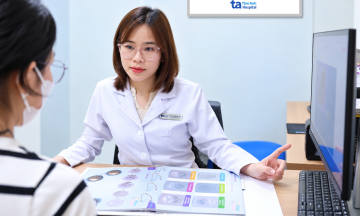
Dr. Nguyen Ngoc Tran, a specialist in dermatology and aesthetic dermatology at Tam Anh General Hospital, Ho Chi Minh City, observed clear hyperpigmentation on Nam's lips, primarily concentrated in the inner lip area with uneven color. This condition may stem from prolonged smoking, which stimulates pigment cells to increase melanin production. However, the doctor also considers other factors such as UV radiation, dry or chapped lips, chronic lip inflammation, habits like licking or biting lips, irritating cosmetic products, certain medical conditions, or medications. Natural pigmentation also influences an individual's lip color.
The manifestation of lip hyperpigmentation can vary, from mild darkening to a pronounced change, and does not necessarily appear uniformly across the entire lip. Lip color can gradually change over time, influenced by the degree and duration of exposure to irritants, as well as an individual's unique pigmentation characteristics. Consequently, not all smokers develop darkened lips, and not every case of darkened lips in smokers is solely attributable to tobacco use.
The doctor explained that smoking-related hyperpigmentation can fade after quitting, but this process requires time, and the extent of recovery differs among individuals. Nam reduced his smoking habit, but his lip color has not yet returned to its previous state.
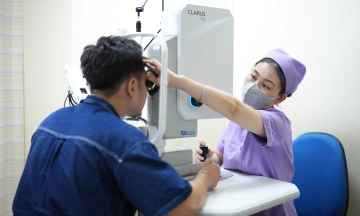
Nam was prescribed treatment with an Er:YAG laser to improve the hyperpigmented areas. The Erbium Yag laser, with a wavelength of 2,940 nm, has its energy primarily absorbed by water in the tissue. Depending on the mode and parameters used, the laser creates a thermal effect or ablates superficial tissue, aiding in the improvement of hyperpigmentation. This mechanism differs from lasers that selectively target melanin.
 |
Dr. Tran examines Nam's lip hyperpigmentation. Photo: Tam Anh General Hospital |
Nam is expected to undergo approximately 6-8 laser sessions, each spaced one month apart. The number and interval of treatments are adjusted based on the lips' response and healing capacity.
The lip area is numbed, resulting in virtually no pain during the procedure. Following laser treatment, the lips may feel slightly dry and experience fine peeling for several days, which is a normal skin reaction during the process of new cell regeneration.
Near the completion of his treatment course, Nam's lips showed clear improvement, with the hyperpigmented areas becoming lighter and the lip color more even. He continues to monitor and maintain lip care to minimize the recurrence of hyperpigmentation.
 |
Nam's lip color gradually improved after 4 laser sessions. Photo: Tam Anh General Hospital |
Nam was advised to quit smoking to improve his overall long-term health and reduce the risk of recurring lip hyperpigmentation, which could affect treatment outcomes. He also needs to moisturize and protect his lips from sunlight to prevent dryness and irritation.
If changes in lip color persist or darken rapidly without a clear cause, individuals should consult a dermatologist for evaluation and treatment, rather than attempting to use lip-lightening products themselves. Abnormal pigmentation on the lips accompanied by ulcers, scabs, pain, bleeding, or changes in surface texture requires early examination to prevent complications.