Nutrition during pregnancy is crucial for the mother's health and fetal development. In addition to consuming essential nutrients, pregnant women should restrict foods that could harm their health.
According to Doctor of First Degree Specialization Dao Thi Yen Thuy, Head of the Nutrition and Dietetics Department at Tam Anh General Hospital TP HCM, a woman's immune system during pregnancy is often weaker than normal. Below are the food groups pregnant women should be aware of to protect both mother and baby.
Raw or undercooked dishes
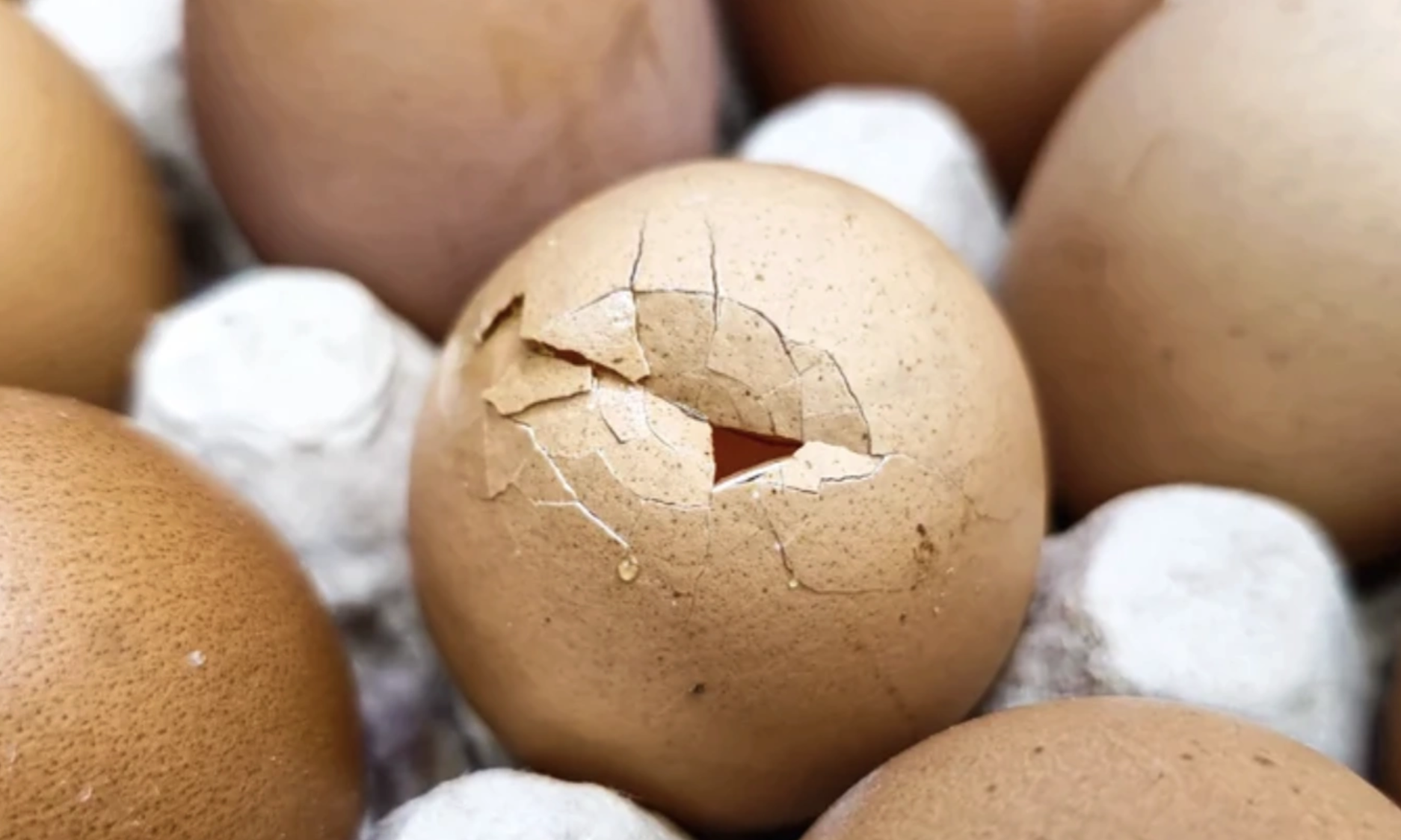
Undercooked dishes such as fish salad, sushi, soft-boiled eggs, rare meat, and unpasteurized cheese pose risks of listeria, salmonella, or toxoplasma parasite infections. These agents can cause food poisoning in the mother, severely affect the fetus, and increase the risk of pregnancy complications.
 |
Pregnant women should limit coffee consumption. Photo: Hang Tran
Seafood with high mercury content
Certain large, long-lived ocean fish like mackerel, ocean tuna, swordfish, or marlin often accumulate high levels of mercury. When mercury enters the mother's body, it can cross the placenta, directly damaging the fetus's nervous system and brain development. Pregnant women should opt for thoroughly cooked salmon, sardines, snakehead fish, or shrimp instead.
Alcoholic beverages, stimulants, and caffeine
Alcohol, including wine and beer, should be completely avoided during pregnancy because alcohol transmitted through the mother's blood can cause poisoning, congenital malformations, and intellectual development delays in children. High caffeine intake from coffee, strong tea, or energy drinks can lead to increased heart rate, insomnia, hinder micronutrient absorption, and raise the risk of low birth weight in infants.
Foods that may stimulate uterine contractions
Some foods, such as green papaya or fresh `rau ngot` (sweet leaf), are often advised to be consumed with caution in large amounts during pregnancy. The latex in green papaya contains active compounds that, according to some studies, can cause uterine contractions. Pregnant women should consult their doctor before consuming vegetables with these properties.
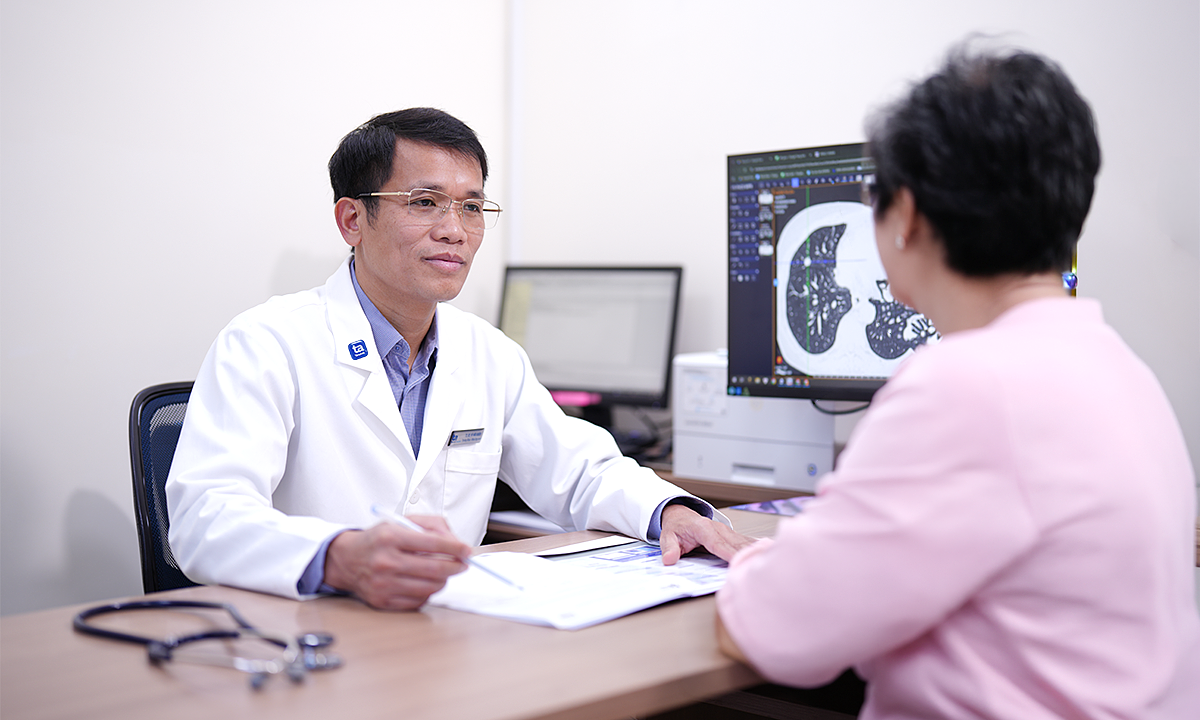
Beyond a scientific diet, pregnant women should maintain regular prenatal check-ups and undergo scheduled tests. This helps doctors monitor fetal development, assess the mother's micronutrient status, detect any abnormalities early, and provide the most suitable intervention and nutritional advice.
Bui Duc
| Readers can submit nutrition questions here for doctor consultation. |