According to data from the Ho Chi Minh City Center for Disease Control (HCDC), the number of dengue fever cases in the city has steadily risen over recent weeks. In week 30 (from 20 to 26/7), Ho Chi Minh City recorded 995 new dengue cases, a 20% increase compared to the average of the previous four weeks. Week 29 (13-19/7) also saw 954 dengue cases, up 32,0% from the four-week average. Since the beginning of the year until the end of week 30, the city has recorded 23.481 cases.
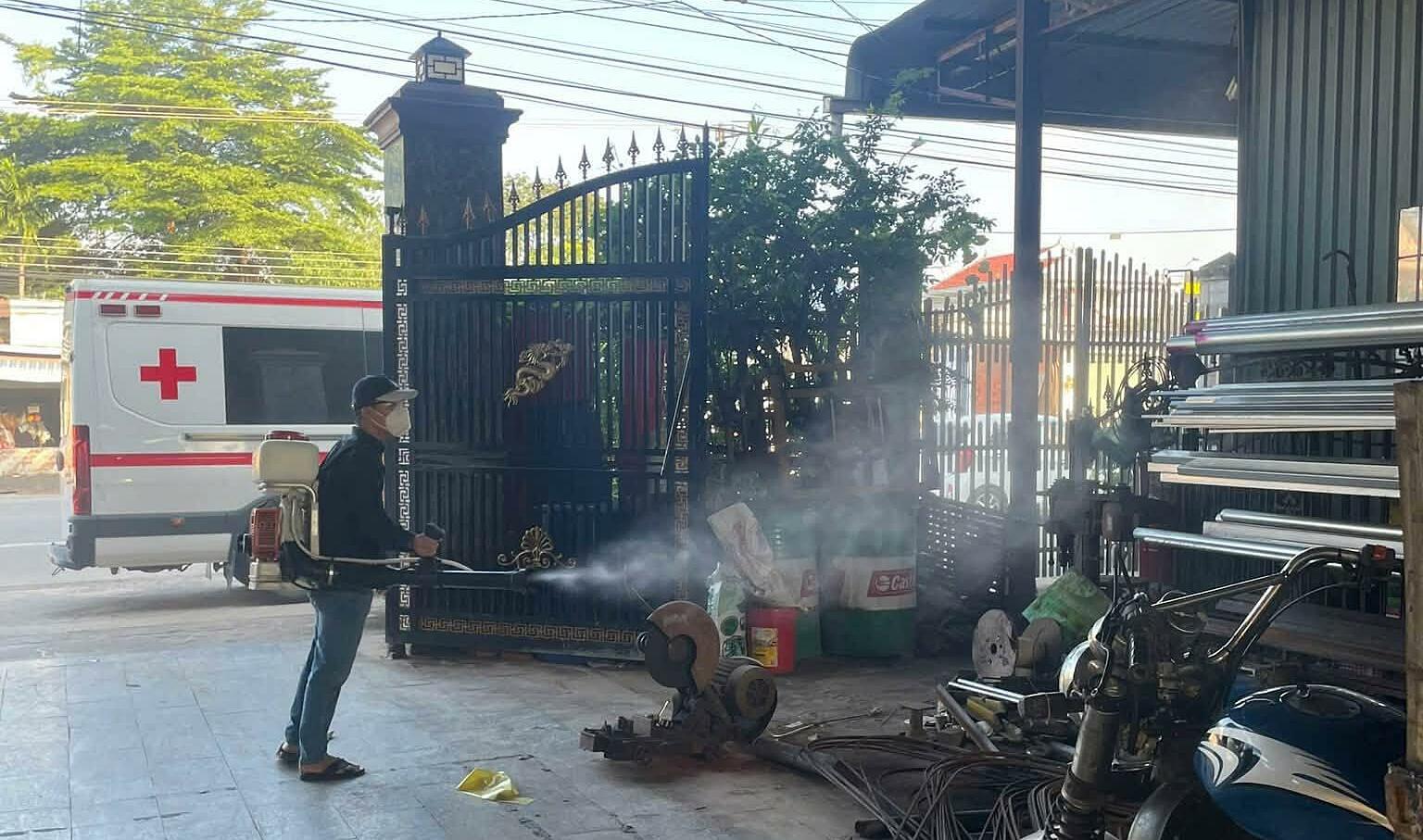 |
Medical personnel in Phuoc Hoa commune, TP HCM, spray mosquito repellent to prevent dengue fever in late July. *Photo: HCDC*
Experts indicate that the increasing number of cases aligns with the annual epidemiological pattern as the rainy season begins. Local authorities are urged to enhance disease surveillance, thoroughly eliminate larval breeding sites, control high-risk areas, and intensify public awareness campaigns to curb the spread of the disease.
Master of Science, Doctor Le Thanh Khoi, Medical Deputy Director of the Long Chau Pharmacy and Vaccination System's Medical Council, explained that prolonged heavy rainfall turns water-holding objects, drains, eaves, rooftops, balconies, and infrequently cleaned areas into ideal breeding grounds for disease-carrying mosquitoes.
Beyond weather conditions, Ho Chi Minh City is a densely populated urban area with high construction density. Numerous ongoing construction sites, concentrated residential areas, and outdoor water containers, if not regularly cleaned, become places for mosquitoes to lay eggs. According to the World Health Organization (WHO), rapid urbanization and ineffective water management contribute to dengue fever's persistent circulation in many tropical cities.
Doctor Thanh Khoi also noted that dengue fever is no longer primarily a childhood illness; adults account for an increasing proportion of cases. Many patients are hospitalized late due to complacency or self-treatment at home. When symptoms such as continuous high fever, headache, muscle aches, rash, or warning signs like severe abdominal pain, persistent vomiting, or abnormal bleeding appear, patients should seek medical attention for timely examination and treatment.
Doctor Thanh Khoi emphasized that the dengue virus has four serotypes, meaning an individual can contract the disease multiple times. Notably, re-infection cases carry a higher risk of severe progression if not detected and monitored promptly.
Experts advise that dengue prevention requires a comprehensive approach, including eliminating stagnant water, destroying larvae, using mosquito bite prevention measures, and monitoring health for suspected symptoms. Additionally, vaccination offers a proactive solution to reduce disease risk and limit severe cases. Vietnam currently has a dengue vaccine available for children aged four and older, and adults, including those who have previously had the disease. The regimen consists of two doses administered three months apart, providing protection against all four dengue virus types. Upon completing the full vaccination schedule, efficacy reaches over 80%, reducing the risk of dengue-related hospitalization by more than 90%.
 |
Residents receive dengue fever vaccine at Long Chau Pharmacy and Vaccination System. *Photo: Hoang Khanh*
Parallel to the disease's progression, the Long Chau Pharmacy and Vaccination System has also observed an increasing number of people seeking advice and information about the dengue vaccine. "This indicates a growing awareness of proactive disease prevention, alongside traditional measures like environmental sanitation, eliminating mosquito breeding sites, and preventing mosquito bites," a Long Chau representative stated.
Kim Anh