Eng English
China 中国人

Eng English
China 中国人
  • News
  • World
  • Business
  • Entertainment
  • Sports
  • Law
  • Education
  • Health
  • Lifestyle
  • Travel
  • Science
  • Digital
  • Automobiles
  • Trở lại Thể thao
  • Health
Sunday, 20/9/2026 | 11:34 GMT+7

4 reasons why knees make noise

Clicking and cracking sounds in the knee can occur due to normal joint movement or issues related to the patella, cartilage, and surrounding knee structures.

The patellofemoral joint, where the kneecap sits in a groove at the end of the thigh bone, is a common source of knee sounds. As the structures in this area move, individuals may hear clicking, clunking, or feel a grinding sensation within the joint. Here are four common causes:

Normal joint movement

Knees can make clicking or clunking sounds when changing positions, extending, or bending the leg. These noises often result from pressure changes within the synovial fluid, leading to the formation or release of small gas bubbles. Tendons and ligaments may also slide over surrounding structures during joint movement, creating sound. If the knee produces sounds without accompanying pain, swelling, or restricted movement, this is generally not a cause for concern.
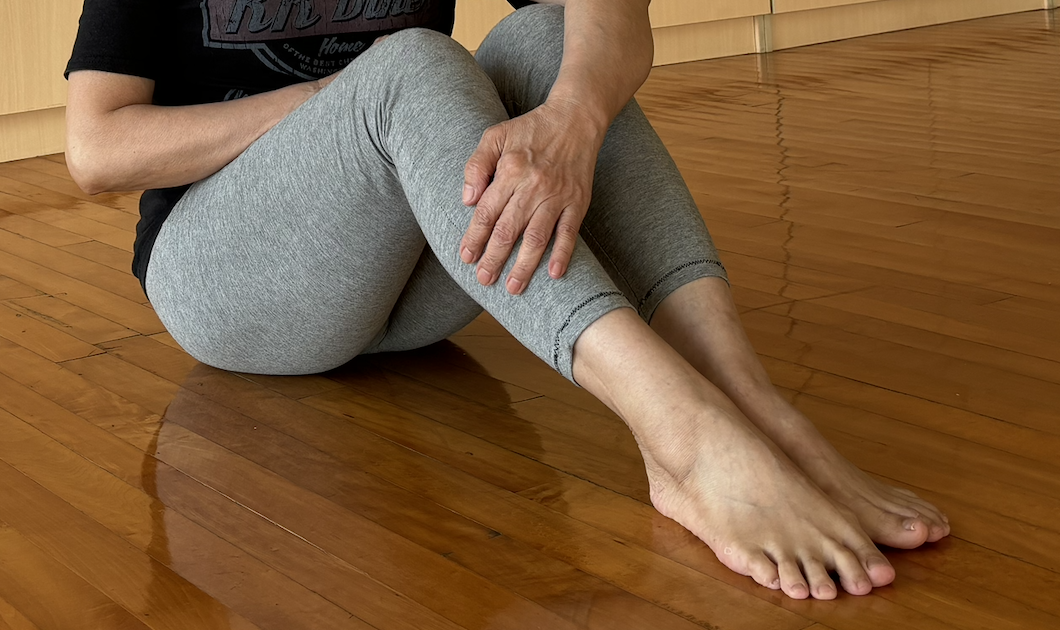
Knee sounds can be due to normal mechanical changes or issues related to the kneecap and joint cartilage. *Illustration: Quynh Dung*.

Patellofemoral pain syndrome

Patellofemoral pain syndrome develops when the kneecap area and its surrounding structures become irritated. This condition is often associated with repetitive activities or movements that exert pressure on the knee joint. Individuals may experience grinding or clunking sounds when bending and extending the knee, accompanied by pain at the front of the knee. The pain often intensifies during activities such as climbing stairs, squatting, running, or prolonged sitting with bent knees.

Knee osteoarthritis

Knee osteoarthritis develops as the cartilage layer covering the ends of bones within the joint gradually deteriorates. When the joint surface loses its smoothness, the movement of internal structures can produce grinding sounds or a rubbing sensation. These osteoarthritis-related sounds rarely occur in isolation. Individuals often experience accompanying symptoms such as pain during movement, joint stiffness after periods of rest, swelling, or difficulty fully extending or bending the knee. This condition is more prevalent among older adults, those with a history of joint injury, or individuals who have subjected their knees to prolonged stress.

Loose or hypermobile knee joint

Some individuals possess knee joints that are more flexible than typical, or their ligaments may lack sufficient strength to maintain joint stability. Consequently, the kneecap or other structures around the joint may exhibit increased movement during physical activity, leading to audible sounds. Beyond internal joint noises, individuals might also experience a sensation of knee instability, a tendency for the knee to give way, or feel as though it might buckle when walking, changing direction, or engaging in other movements.

When should you seek medical attention?

Isolated knee sounds that cause no pain and do not impair mobility are generally not a cause for concern. However, medical evaluation is advisable if the knee frequently produces sounds accompanied by pain during activities like walking, running, climbing stairs, or squatting. Other warning signs include swelling, warmth, or joint stiffness. A doctor can thoroughly assess symptoms, review injury history, and evaluate range of motion to accurately determine the underlying cause.

Bao Bao (Compiled)

By VnExpress: https://vnexpress.net/4-nguyen-nhan-khien-dau-goi-phat-ra-tieng-keu-5122338.html
Tags: knee joint knee sounds knee illness symptoms

News in the same category

5 simple habits for a healthy gut and reduced constipation

5 simple habits for a healthy gut and reduced constipation

Prune juice or coffee can stimulate bowel movements; adequate fiber and water intake also help reduce constipation.

How to preserve muscle while losing weight on a low-calorie diet

How to preserve muscle while losing weight on a low-calorie diet

Increasing protein and healthy fats in meals, along with adequate rest and exercise, helps achieve weight loss with minimal muscle loss.

What happens when you don't eat enough protein after age 50?

What happens when you don't eat enough protein after age 50?

After age 50, prolonged protein deficiency can lead to muscle loss, reduced strength and mobility, and impaired recovery.

5 essential nutrients for women during menopause

5 essential nutrients for women during menopause

Menopausal women should supplement with adequate fiber, protein, omega-3, calcium, and magnesium to support bone health, the nervous system, and weight management.

Is over-exercising at the gym harmful to kidneys?

Is over-exercising at the gym harmful to kidneys?

I recently increased my gym intensity to build muscle. After a workout, I experienced full-body soreness and dark urine. Are these signs of over-exercising and kidney damage? (Minh Duc, Hanoi)

Three-year-old achieves remission from metastatic liver cancer after two immune cell infusions

Three-year-old achieves remission from metastatic liver cancer after two immune cell infusions

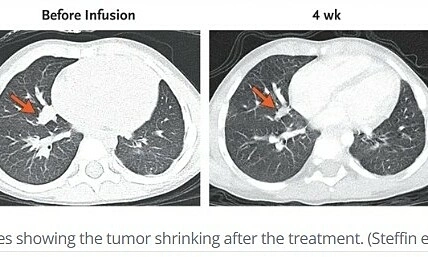
A three-year-old patient, battling a rare and chemotherapy-resistant form of liver cancer, is now symptom-free after participating in a clinical trial for a novel treatment.

The health benefits of vitamin B12

The health benefits of vitamin B12

Vitamin B12 plays a role in red blood cell formation, nerve system maintenance, nutrient metabolism, and supports many essential bodily functions.

6 respiratory issues that disrupt your sleep

6 respiratory issues that disrupt your sleep

Nasal congestion, sinusitis, allergic rhinitis, snoring, asthma, and sleep apnea can all interrupt sleep, leading to fatigue upon waking.

Dietary mistakes leading to nutrient deficiencies in children

Dietary mistakes leading to nutrient deficiencies in children

A monotonous diet, insufficient vegetables and fruits, avoiding fats, and substituting milk for main meals can cause children to lack many essential nutrients.

Why blood pressure, once low, increases with age?

Why blood pressure, once low, increases with age?

My blood pressure, once around 90-100/60 mmHg, has recently risen to approximately 135/85 mmHg. Why does blood pressure tend to increase with age, and is this a cause for concern? (Thanh Ha, 58, Hung Yen)

Eng English
China 中国人
  • News
  • World
  • Business
  • Entertainment
  • Sports
  • Law
  • Education
  • Health
  • Lifestyle
  • Travel
  • Science
  • Digital
  • Automobiles
FPT Tower, 10 Pham Van Bach Street, Dich Vong Ward,
Cau Giay District, Hanoi, Vietnam
Email: contacts@vnportal.net
Tel: 028 7300 9999 - Ext 8556
Advertise with us: 090 293 9644
Register
© Copyright 2026 vnnow.net. All rights reserved.
Terms of use Privacy policy Cookies