During menopause, hormonal changes can impact metabolism, bone and muscle health, cardiovascular function, and sleep quality. Certain nutrients play a crucial role in supporting women's health during this stage.
Protein
According to EatingWell, age and hormonal shifts during menopause can lead to a decrease in muscle mass. Without sufficient protein intake, the body struggles to maintain and repair muscles.
Protein provides essential amino acids for muscle tissue repair. Maintaining muscle mass also supports strength, mobility, and bone health.
Healthy protein sources include fish, poultry, eggs, yogurt, and tofu. Combining diverse plant and animal proteins with appropriate physical activity helps maintain musculoskeletal health. The recommended protein intake during this stage is about 1-1,2 g/kg of body weight daily.
Fiber
As hormones fluctuate, metabolism also changes, making weight management difficult and increasing the risk of cardiovascular disease. Fiber slows digestion, promotes satiety, and helps regulate blood sugar. It is also a vital nutrient for gut microbiota.
Women can get fiber from green vegetables, fruits, legumes, seeds, and nuts. Adults should consume about 18-20 g of fiber daily.
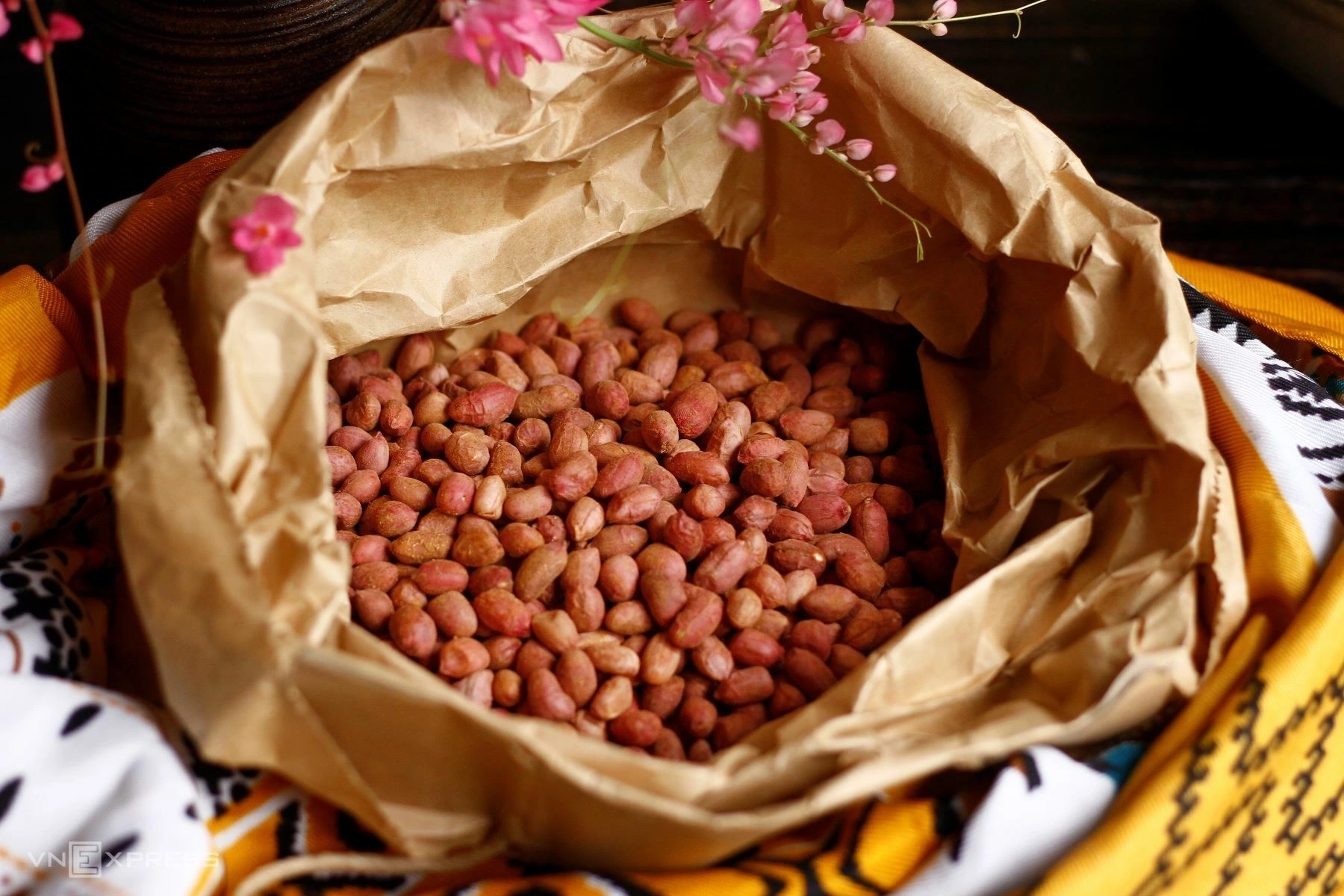 |
Peanuts are rich in plant protein, beneficial for women's health. Photo: Bui Thuy |
Omega-3
Omega-3s are healthy fats found in salmon, sardines, mackerel, chia seeds, flaxseeds, and walnuts. This nutrient supports cardiovascular health and manages inflammatory responses in the body. Adequate omega-3 intake also contributes to maintaining brain health, mood, and cognitive function in women during menopause.
Calcium
The decline in estrogen during menopause accelerates bone loss, increasing women's risk of reduced bone density and osteoporosis. Calcium provides the necessary building blocks for strong bones, while also supporting muscle and nervous system function. Dairy products, leafy green vegetables, and fortified foods are good sources of calcium. The recommended calcium intake for women during this stage is about 1.200 mg daily.
Magnesium
Magnesium is an essential nutrient women need during menopause. This mineral helps maintain strong bones and supports muscle function. Additionally, magnesium aids in relaxation and promotes sleep. Women can supplement magnesium from common foods such as nuts, legumes, leafy green vegetables, whole grains, fish, dairy products, and soybeans. Adult women need about 310-360 mg of magnesium daily.
Le Nguyen (Compiled)
| Readers can submit questions about obstetrics and gynecology here for doctors to answer. |