Individuals aiming for weight loss typically need to create a calorie deficit, meaning their caloric intake is lower than what their body expends. However, cutting calories too drastically or losing weight too rapidly can lead to the body breaking down muscle tissue for energy, increasing the risk of muscle loss. The following strategies can help you lose weight while preserving muscle mass.
Avoid sudden and rapid calorie reduction. While extreme calorie restriction can lead to quick weight loss, it also increases the risk of muscle loss and negatively impacts muscle development. According to Health, a gradual approach to weight loss, combined with exercise, supports muscle maintenance and growth. Aim for a moderate calorie deficit of around 250-500 calories per day. This moderate deficit can significantly lower the risk of muscle loss compared to more severe calorie cuts.
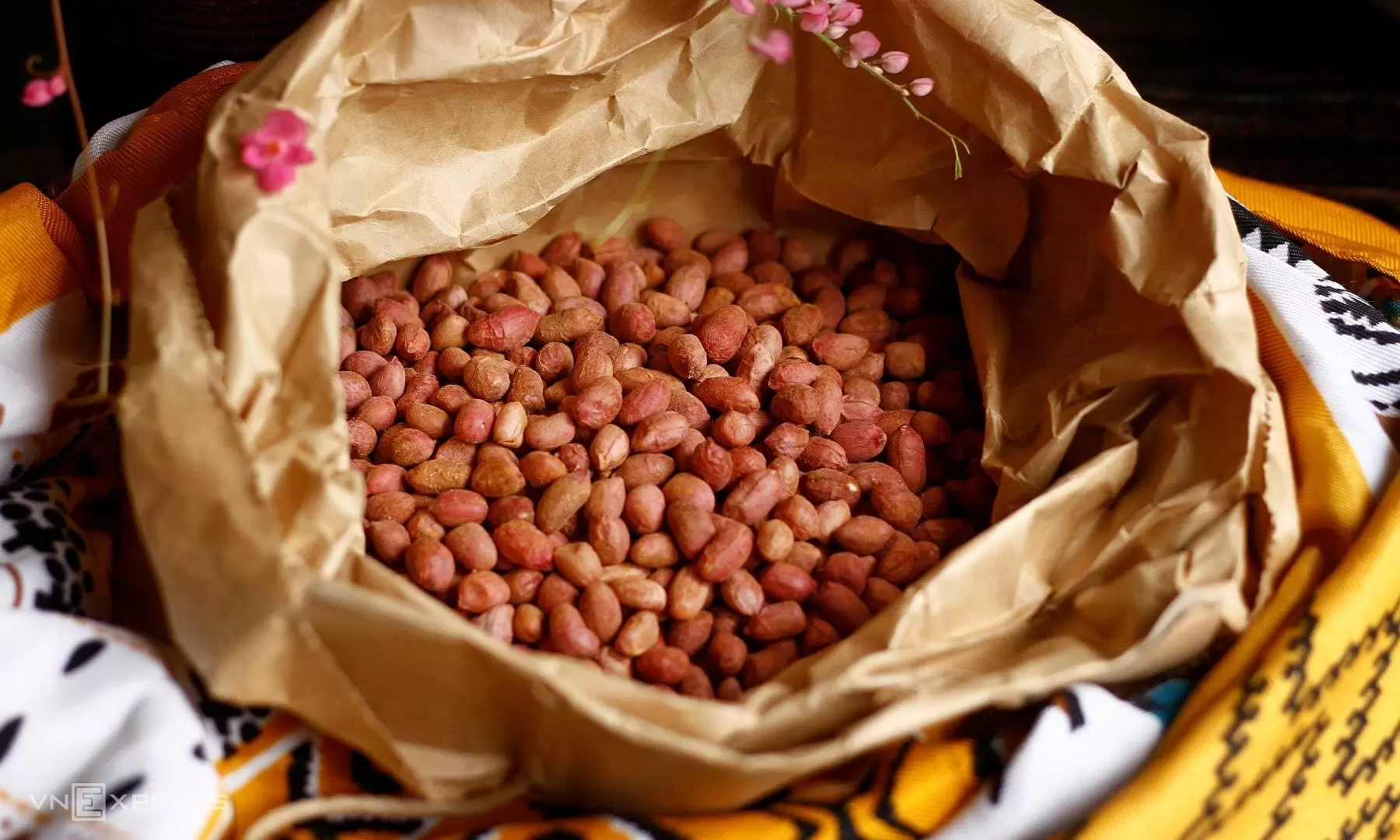
Ensure adequate protein intake. Protein is essential for maintaining and repairing muscles during weight loss. Individuals who exercise regularly may require approximately 1.6-2.2 grams of protein per kilogram of body weight daily, depending on their activity level and goals. Those engaged in weightlifting or high-intensity training might have even higher protein needs. To support muscle gain and fat loss, prioritize protein-rich foods that align with your total calorie intake, such as chicken breast, fish, beef, lean pork, and eggs. Diversify your diet by incorporating other protein sources like nuts, soy, and tofu.
 |
Chicken is low in calories but rich in protein. Photo: Bui Thuy |
Balance other essential nutrients. Vitamin D and omega-3s, which are healthy fats, benefit overall health and muscle function. Vitamin D specifically supports muscle function, enhances calcium absorption, and maintains bone health.
Prioritize physical activity and rest. Individuals losing weight should maintain regular physical activity to preserve or build muscle during a calorie deficit. Strength training helps muscles adapt to increasing resistance, such as lifting progressively heavier weights, leading to greater strength. Exercise creates minor muscle damage, which stimulates the body to recover and regenerate muscle fibers. It is advisable to combine strength training with rhythmic exercises like walking, cycling, or swimming, and to avoid overtraining to reduce injury risk. Additionally, ensure adequate sleep and rest to allow the body to recover after workouts, contributing to muscle maintenance and development.
By Anh Chi (Compiled)
| Readers can ask questions about endocrine diseases here for doctors to answer. |