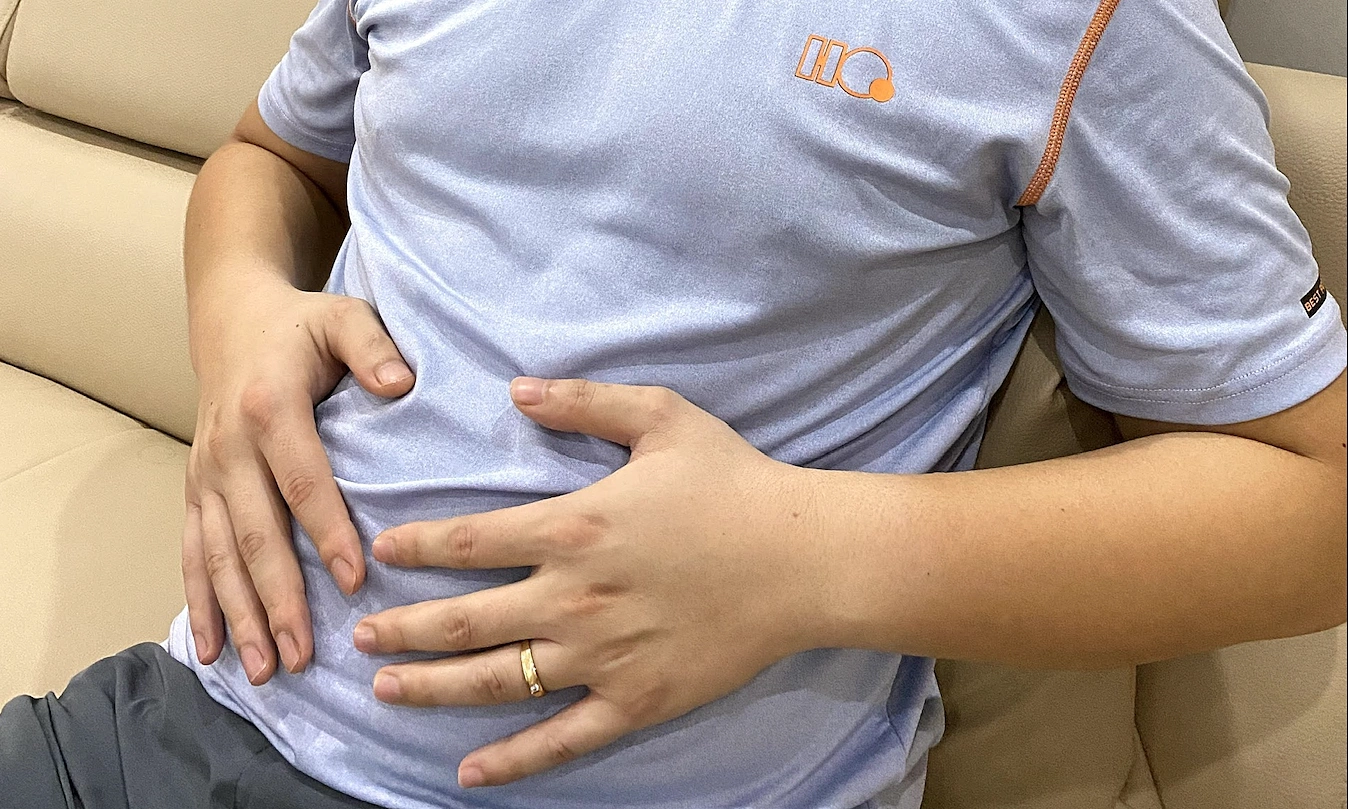
Ms. Thanh, who has a history of hypertension, developed a high fever, body aches, and a dry cough. Medical staff conducted a home test, confirming she was positive for the dengue virus. Instead of seeking hospital care, she arranged for someone to administer intravenous (IV) fluids and albumin (a plasma protein produced by the liver) at her home. After three days, her condition significantly worsened. She was then admitted to Tam Anh General Hospital Hanoi, where tests revealed her platelet count had plummeted to 16 G/L, far below the normal range of 150-450 G/L.
Master, Doctor Bach Nguyen Tra My, from the General Internal Medicine Department, diagnosed that Ms. Thanh's home fluid infusion was not closely monitored for her hemodynamic status. This lack of oversight led to a severe drop in platelets, plasma leakage, and pleural effusion. Upon admission to the hospital, Ms. Thanh received IV fluids, platelet concentrates, and antibiotics. However, she did not respond well to crystalloid fluids, developing significant abdominal and pleural effusions that caused shortness of breath and respiratory failure. She was subsequently provided with oxygen support and high molecular weight fluid, a type of fluid that helps retain water within the blood vessels.
By the 6th day of her illness, Ms. Thanh's platelet count had further decreased to 5 G/L. She experienced severe respiratory failure, necessitating oxygen therapy via a mask with a reservoir bag, and continued receiving platelet concentrates. According to Doctor Tra My, the period from day 4 to day 7 of dengue fever is critical, as platelets can drop rapidly while plasma leaks out of the blood vessels. This extravasation of fluid leads to blood concentration, reduced circulatory volume, and can result in shock if not treated promptly.
After overcoming the critical phase, Ms. Thanh's condition transitioned into the fluid reabsorption stage. She gradually stopped receiving fluid infusions and was given appropriate diuretics to mitigate the risk of circulatory overload, ultimately recovering and being discharged from the hospital.
 |
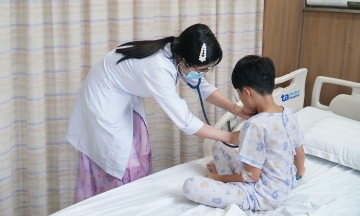
Doctor My examines Ms. Thanh before discharge. *Photo: Tam Anh General Hospital*
Doctor Tra My strongly advises dengue patients against self-administering fluids or albumin at home without a doctor's specific instruction. Fluid replacement requires careful consideration by a doctor, who must assess the patient's fluid loss, blood pressure, pulse, urine output, hematocrit (the ratio of red blood cell volume to total blood volume), and signs of plasma leakage. Continuous monitoring of the patient's response is essential for appropriate adjustments. Individuals with underlying cardiovascular conditions, hypertension, or other chronic diseases require even closer monitoring to prevent complications.
When experiencing symptoms such as fever, headache, body aches, nausea, rash, or any other signs suggestive of dengue fever, patients should seek medical examination. Those diagnosed with dengue fever must adhere to their scheduled follow-up appointments, tests, and the doctor's monitoring plan.
Thanh Ba
| Readers can send questions about respiratory diseases here for doctors to answer |