Hoarseness, changes in vocal pitch, or temporary voice loss are possible symptoms after thyroid surgery, depending on the anatomical location. The procedure around the neck to remove a tumor or the thyroid gland can temporarily damage or swell the recurrent laryngeal nerve. This makes the vocal cord muscles less flexible in opening and closing, leading to post-surgical hoarseness.
However, this risk is typically low and manageable if the patient undergoes surgery using modern technologies. These include transoral endoscopic thyroidectomy or robotic endoscopic surgery with Da Vinci Xi. Modern technology helps surgeons easily identify, dissect, and preserve the recurrent laryngeal nerve and parathyroid glands. This reduces the risk of hoarseness, damage to healthy tissue, limits pain, and avoids unsightly scars in the neck area.
Doctors select the treatment method based on the patient's medical condition, tumor size, whether it is benign or malignant, and specific medical indications. Depending on the nature of the lesion and the patient's physical condition, doctors may also consider traditional open surgery to ensure safety and effective treatment for each specific case.
 |
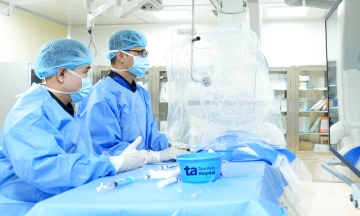
Doctor Hang (left) performs thyroid surgery for a patient. Illustration: Tam Anh General Hospital. |
Doctor Hang (left) performs thyroid surgery for a patient. Illustration: Tam Anh General Hospital.
Beyond the surgical method for thyroid cancer, the risk of voice impact largely depends on the patient's post-operative care. Measures to protect the voice include gentle vocal exercises guided by a rehabilitation specialist, avoiding speaking too loudly or continuously, and refraining from forceful throat clearing initially.
Patients should not use unverified traditional folk remedies or perform sudden neck muscle stretches that put pressure on the surgical site.
Additionally, after surgery, prioritize soft, liquid, easy-to-swallow, warm foods rich in vitamins and minerals, such as: soup, porridge, and fruit juice. This avoids irritating the throat and reduces the burning sensation when swallowing. Eating enough nutrients provides energy for the regeneration of soft tissues in the neck and strengthens immunity.
Patients need to maintain a healthy lifestyle, keep their neck warm, avoid exposure to cigarette smoke, cold air, or polluted environments. Maintaining a stable mental state and getting adequate rest also supports better vocal cord recovery.
Master, Doctor, Specialist Level I Le Thi Ngoc Hang
Thoracic - Vascular Surgery Center
Tam Anh General Hospital TP HCM
| Readers can ask questions about cancer here for doctors to answer |