Heatstroke is a condition where the body experiences heat overload due to prolonged exposure to excessively hot environments and high temperatures. Body temperature rises beyond the tolerable limit (often above 40°C), causing the body to lose its ability to regulate temperature, leading to dysfunction in many organs, including the nervous system.
A stroke is acute brain damage caused by a blocked or ruptured cerebral blood vessel, leading to a sudden lack of blood supply to a brain region. This condition results in mass nerve cell death, causing neurological symptoms and a risk of mortality.
While both conditions are serious, distinguishing between them is crucial for appropriate emergency care. Ms. Dr. Nguyen Thi Hai Yen, from the Department of Neurology and Stroke at Tam Anh Cau Giay General Clinic, stated that both heatstroke and stroke share similar symptoms such as dizziness, collapse, rapid heart rate, and loss of consciousness. This similarity can easily lead to confusion, resulting in incorrect or delayed first aid, which endangers the patient's life.
Dr. Yen highlighted several key differences to distinguish between a stroke and heatstroke:
Onset circumstances and speed:
A stroke occurs suddenly within seconds to minutes. Symptoms can appear unexpectedly while a patient is talking, eating, or resting normally, without any specific trigger. Heatstroke, however, typically occurs during strenuous work, intense physical activity, or prolonged sports in hot conditions. It progresses gradually, with patients experiencing mild fatigue, thirst, and profuse sweating before severe symptoms like collapse or fainting emerge.
 |
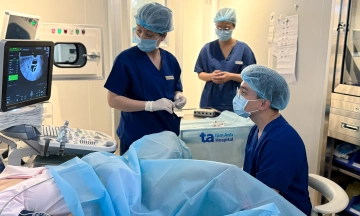
Emergency care for stroke patients. Illustration: Tam Anh Cau Giay General Clinic
Body temperature and sweating patterns:
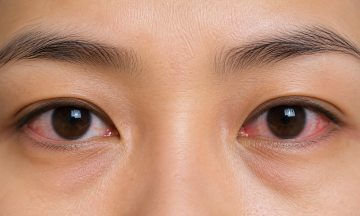
Individuals with heatstroke typically have an abnormally high body temperature, with hot, red, and flushed skin. They may experience profuse sweating in the initial stage, followed by dry skin in later stages due to excessive perspiration. In contrast, stroke patients may or may not have a fever, and usually do not experience a high fever from the outset. Stroke patients also do not exhibit characteristic sweating disorders or clear signs of dehydration.
Neurological symptoms:
According to Dr. Yen, neurological symptoms are the most crucial factor in distinguishing between a stroke and heatstroke. Stroke patients often exhibit distinct symptoms such as facial drooping, numbness or weakness on one side of the body, paralysis on one side of the body, slurred or difficult speech, and blurred or sudden vision loss. While heatstroke patients may faint, collapse, feel fatigued, or be unable to speak, they do not experience facial drooping or one-sided paralysis.
Initial first aid for these two conditions differs significantly. A person suffering from heatstroke should be moved to a cool place, have unnecessary clothing loosened or removed, be wiped down with water, and receive cool compresses or fanning to promote heat dissipation. If the individual is conscious, offer sips of cool water, rehydration solution (oresol), coconut water, or fruit juice. Call for emergency medical assistance immediately if symptoms do not improve, or if the patient becomes confused, comatose, or experiences seizures.
In cases of suspected stroke, it is crucial not to give the patient water, as this can easily lead to choking, airway obstruction, or aspiration pneumonia. Instead of attempting first aid, call emergency services and transport the stroke patient to the nearest hospital to avoid missing the critical "golden hour" for treatment.
Thanh Long
| Readers can submit questions about neurological diseases here for doctors to answer. |